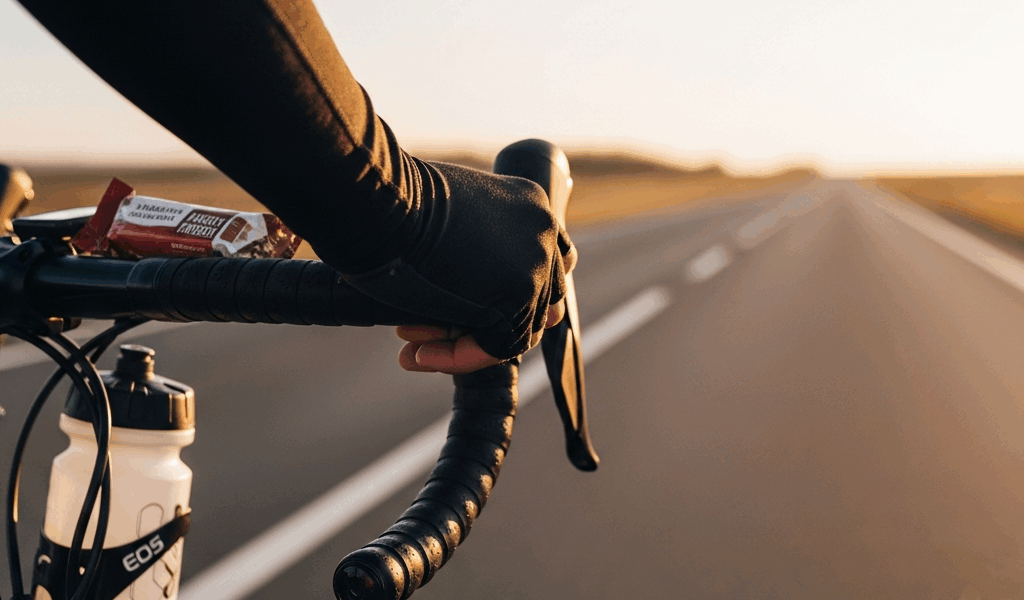
What Is Actually Causing the Numbness
Hand numbness on long rides has grown more complex with the conflicting advice flying around — new bar tape, different gloves, a $300 bike fit. I’ve chased every one of those fixes. Twice I’ve rolled home early with fingers so dead I couldn’t work my shifters properly, convinced the problem lived somewhere in my cockpit setup.
It usually doesn’t.
Here’s what most cycling forums get wrong: hand numbness isn’t one problem. It’s typically two running simultaneously, and you’ll keep buying solutions that buy you ten minutes of relief until you pull them apart.
The first category is mechanical — handlebar pressure, wrist angle, too much weight up front, a saddle tilt pushing you forward. That compresses the ulnar and median nerves. You can identify it pretty easily. It hits specific fingers, usually the outer two, and eases up the moment you change hand position.
The second category is systemic. This is the sneaky one. It builds gradually and doesn’t care that you moved your hands to the hoods. It comes from electrolyte imbalance, dehydration, and blood sugar crashes that quietly choke circulation to your extremities. That’s what this article covers — because that’s the one you can actually fix mid-ride, and prevent entirely before you ever clip in.
Start by asking yourself a few honest questions. When did the numbness start — mile 40 or mile 95? One hand or both? Have you eaten anything in the last hour? How much have you actually drunk? Those answers will tell you more than your handlebar drop measurement ever will.
The Electrolyte Connection Most Cyclists Miss
This is the piece to know up front. Most cyclists burn money on new handlebars before they ever look at their sodium intake.
But what is the electrolyte problem, exactly? In essence, it’s your blood doing triage. But it’s much more than that.
Sodium helps maintain blood volume during sustained effort and keeps your blood vessels dilated enough to push oxygen all the way out to your fingertips. Magnesium does something quieter — it keeps your nervous system signaling correctly. When you sweat without replacing sodium, your blood osmolarity drops. Your body responds by restricting flow to non-essential areas. Your hands qualify as non-essential when your core organs are competing for resources. You don’t feel particularly thirsty yet. You’re not bonking. But your extremities are getting starved.
Magnesium depletion layers on top of this. You lose it through sweat. You burn through it faster under sustained effort because your muscles are contracting continuously and magnesium is the mineral doing the signaling work behind every contraction. Low magnesium breaks the communication chain between your brain and your peripheral nerves. The numbness that follows feels different from nerve compression — it’s diffuse, hits both hands equally, and often comes with a faint tingling in your feet too.
For rides past 90 minutes, you need roughly 300 to 500 milligrams of sodium per hour, depending on sweat rate and temperature. One Nuun tablet — 360 mg sodium — plus about 30 grams of carbs handles it. A single Liquid IV packet at 500 mg sodium handles it. I’m apparently a heavy sweater and Nuun works for me while plain water never does anything useful past mile 30. Some riders go old-school with salt capsules and plain water. Skip past the mistake I made of assuming water alone is enough just because you don’t feel thirsty.
Magnesium is trickier — you can’t meaningfully absorb it from one sports drink mid-ride. You need it preloaded. Almonds give you around 80 mg per ounce, cooked spinach around 160 mg per cup, pumpkin seeds close to 180 mg per quarter cup. If cramping or numbness shows up regularly on your long efforts, a 300 mg magnesium glycinate supplement the night before helps. It won’t remake your ride overnight. Over three or four long efforts, though, you’ll notice.
The pattern I’ve seen in my own riding: fixing sodium intake first cuts hand numbness by more than half. Add magnesium preloading and the electrolyte side of the problem is largely gone.
How Low Blood Sugar Makes It Worse
Your body has a fuel tank. When it runs low, your nervous system starts rationing. Blood pulls away from your extremities and gets redirected toward your brain, heart, and working muscles — the survival organs. Your hands go cold. Your fingers go numb. That’s vasoconstriction, not a nerve compression problem. Your blood vessels are physically closing down.
The cruel part: this happens even when you feel strong. Legs turning over fine. Mind clear. Hands completely asleep. That’s the cruelest disconnect in endurance sport.
I learned this specifically on a 75-mile gravel ride in September 2021. Felt great through mile 50, ate nothing because I felt nothing. By mile 65, both hands were numb enough that I was riding with my wrists resting on the hoods because I couldn’t grip properly. I sat on a guardrail for ten minutes eating a banana before I trusted myself back on the bike. That was an embarrassing and completely avoidable situation.
The fix is eating on a schedule — not when you’re hungry, on a schedule — for any ride past 60 minutes. Aim for 30 to 60 grams of carbs per hour depending on body size and intensity. A large banana runs about 27 grams. A standard Clif Bar sits around 44 grams. Gels work fine paired with water to dilute them. Set a timer. Eat at 45 minutes, 90 minutes, 135 minutes. It feels robotic. Your peripheral nervous system doesn’t care about feeling natural — it cares about glucose levels.
Low electrolytes combined with low blood sugar is where most hand numbness actually lives. Fix both and you’re addressing the source, not the symptom.
Quick Fixes You Can Try During the Ride
- Shake your hands out hard — ten full seconds, flicking your wrists like you’re throwing water off your fingers. This resets blood flow immediately and usually buys you a few minutes of clarity.
- Move your grip. Drops to hoods. Hoods to the flat section. Any shift redistributes pressure and gives compressed nerves a moment to decompress.
- Take an electrolyte hit right now. Drink a sodium-containing bottle or eat a salt capsule. Give it 15 minutes. You’ll likely feel a difference.
- Eat fast carbs. A gel, a handful of chews, half a bar. Blood glucose comes up, vasoconstriction eases, fingers wake up.
- Check your hydration honestly. Pinch the back of your hand and release. Skin bounces back fast — you’re fine. Skin tents and holds — you’re behind. Drink 16 ounces over the next 20 minutes.
If you run through that entire sequence and the numbness hangs around, then yes, look at your bike fit. But that sequence fixes it for most people most of the time.
What to Change Before Your Next Long Ride
The real work happens before you leave the driveway. That’s what makes this fixable — it’s almost entirely a preparation problem.
Sodium loading: Two to three hours before any ride over 90 minutes, or any ride in temperatures above 75°F, eat something with 300 to 500 mg of sodium. Salted rice cake, a small handful of pretzels, even a pickle. This primes your blood volume before you ever turn a pedal.
Magnesium the night before: Eat magnesium-rich foods or take a 300 mg magnesium glycinate supplement before bed. One night won’t undo years of deficiency — but it moves the needle enough to matter on your next long effort.
Fueling schedule written down: Know exactly when you’re eating and what you’re eating. No guessing mid-ride. No waiting until hunger shows up, because hunger shows up late.
Hydration baseline at the start: Your urine should be pale yellow before you leave. Dark yellow means you’re starting in a hole and you’ll spend the first hour just trying to catch up.
Padded gloves — yes, but know what they do: Padded gloves might be the best option for reducing mechanical compression, as long-ride hand comfort requires consistent pressure management. That is because even small reductions in contact pressure compound over 80 or 100 miles. But gloves don’t fix electrolyte problems. They’re a supplement to good nutrition habits, not a replacement for them.
Lock in your electrolyte intake and your fueling timing and hand numbness stops being a mystery. Most cyclists solve this within two or three long rides once they stop staring at their stem height and start paying attention to what’s actually happening inside their body. So, without further ado — go eat some pumpkin seeds tonight.


Subscribe for Updates
Get the latest cycling nutrition hub updates delivered to your inbox.
We respect your privacy. Unsubscribe anytime.