
Carb Loading: What the Science Actually Says Versus What Cyclists Actually Do
Pre-race nutrition has gotten complicated with all the conflicting advice flying around — pasta dinners the night before, glycogen protocols, loading windows that vary by who you ask. As someone who followed the “huge pasta dinner” approach for years before actually reading the research and discovering the protocol is both simpler and more specific than most people think, I learned everything there is to know about what carb loading actually involves and why. Today, I’ll share the evidence, the practical protocol, and the mistakes that make it not work.
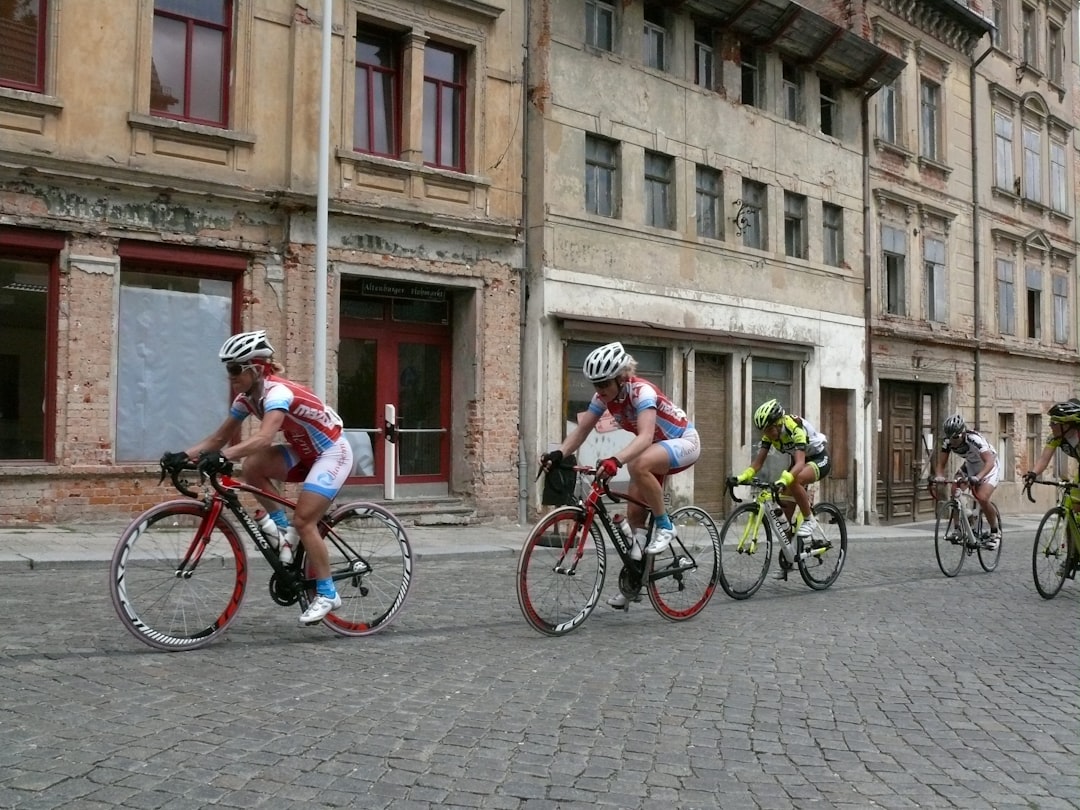
Ask most recreational cyclists what carb loading means and you’ll hear some version of “eat a huge pasta dinner the night before.” Ask what the protocol actually involves and why, and you’ll get a lot of less confident answers. The science here has evolved significantly from what most people believe, and the practical implications are worth understanding if you’re doing any event longer than about 90 minutes.
Where Carb Loading Came From
The original carbohydrate loading protocol was developed in the late 1960s by Swedish researcher Gunvar Ahlborg and colleagues. The original procedure was demanding: a three-day depletion phase involving exhaustive exercise combined with a very low-carbohydrate diet, followed by three to four days of high-carbohydrate eating. The theory was that depleting glycogen stores first would cause a supercompensation effect — the body, responding to the stress of depletion, would store more glycogen than normal when carbohydrates were reintroduced.
The protocol worked. Muscle glycogen concentrations did increase substantially. It also made athletes feel terrible during the depletion phase, increased injury risk, and was practically difficult to implement in the week before a major event.
What Modern Research Actually Shows
Subsequent research through the 1980s and 1990s demonstrated that the depletion phase wasn’t actually necessary. Studies showed that trained athletes could achieve similar glycogen supercompensation through two to three days of elevated carbohydrate intake combined with tapered exercise, without the preceding depletion period.
The mechanism: trained muscles have an enhanced capacity to store glycogen compared to untrained muscles. This baseline adaptation means that trained athletes don’t require depletion stress to achieve maximal glycogen stores — they can reach them simply by tapering training volume (which naturally reduces glycogen burning) while increasing carbohydrate intake. Two to three days is sufficient for most trained cyclists to top off glycogen stores to near-maximum levels.
The current consensus in sports nutrition: for trained endurance athletes, a two-to-three day loading protocol achieves essentially the same outcome as the original seven-day depletion/loading protocol, with none of the performance compromise or misery of the depletion phase.
What “Loading” Actually Means
Probably should have led with this section, honestly, because this is where most cyclists get it wrong. Carbohydrate loading is not eating more food. It’s shifting your macronutrient composition while managing total caloric intake, with a specific carbohydrate target.
The target during a loading phase is approximately 8 to 12 grams of carbohydrate per kilogram of body weight per day. For a 70kg rider, that’s 560 to 840 grams of carbohydrate daily — a substantial amount. Achieving this without dramatically overeating means reducing fat and protein intake during the loading period, not just adding large bowls of pasta on top of your normal diet.
A loading phase looks something like this in practice:
- Breakfast: oatmeal, banana, toast with jam, orange juice
- Lunch: rice-based meal with lean protein, minimal fat
- Afternoon: bagel with honey, sports drink
- Dinner: large pasta or rice portion, lean protein, vegetables
- Evening: yogurt and fruit or cereal
The focus is on easily digestible, high-carbohydrate foods. High-fat foods are temporarily reduced not because fat is bad, but because fat is calorie-dense and you need the caloric space occupied by carbohydrates.
The Water Weight Phenomenon
That’s what makes the loading physiology endearing to us cyclists who understand it — what looks like weight gain is actually stored energy and hydration. Every gram of glycogen stored in muscle tissue binds approximately 3 grams of water. A successful loading phase that increases muscle glycogen storage by 300 to 500 grams means carrying an additional 900 grams to 1.5 kilograms of water weight.
This is why cyclists who carb load correctly feel heavier and sometimes puffy in the days before an event. This is also why the scale goes up by 1 to 2 kilograms during the loading period — and why this should be interpreted as a sign that the protocol is working, not as a reason to cut carbohydrates.
The stored water is released as glycogen is metabolized during exercise. This water contributes to hydration status during the event — it’s not dead weight. Understanding this prevents the common mistake of backing off the loading protocol because of the scale movement.
Common Mistakes
Starting too late: The pasta dinner the night before an event is not carb loading. It contributes to glycogen stores marginally, but doesn’t allow the two to three days required for full muscle glycogen supercompensation. The loading period needs to start two to three days before the event, not the night before.
Overeating rather than shifting macros: Adding carbohydrates without reducing fat and protein results in a substantial caloric surplus. This leads to GI discomfort, disrupted sleep, and a bloated feeling on race morning. Loading is about composition, not volume.
Loading for the wrong events: Carbohydrate loading meaningfully benefits events lasting longer than about 90 minutes. For a sprint race, a criterium, or any event where glycogen stores won’t be significantly depleted, loading provides no performance benefit and just adds unnecessary weight and GI variability.
High-fiber choices: Loading on whole grains, legumes, and high-fiber vegetables is counterproductive. Fiber fills the gut, adds GI bulk, and doesn’t convert to available energy as efficiently as refined carbohydrates during this specific phase. White rice, white pasta, white bread, and refined sports foods are appropriate loading foods. This is one of the few contexts where refined carbohydrates are specifically preferred.
Practical Protocol for Weekend Cyclists
If you’re riding a century, a gran fondo, or any long event on Saturday or Sunday:
- Wednesday/Thursday: Begin shifting toward higher carbohydrate intake. Reduce fat and protein slightly. Keep training volume low.
- Thursday/Friday: Peak loading days. Hit your carbohydrate targets deliberately. Stay well hydrated. Avoid high-fiber foods.
- Friday evening/Saturday morning: Normal pre-race meal patterns. Don’t overeat. The work has been done.
Accept the scale weight increase. Accept the slightly heavy feeling in the legs that some riders experience in the final day. Both are transient and both disappear within the first 30 to 45 minutes of the event when you’re moving hard and burning through early glycogen stores.
The seven-day protocol is a historical artifact of research limitations and an incomplete understanding of trained athlete physiology. Two days done correctly achieves the same result. Plan your week accordingly.




Subscribe for Updates
Get the latest articles delivered to your inbox.
We respect your privacy. Unsubscribe anytime.