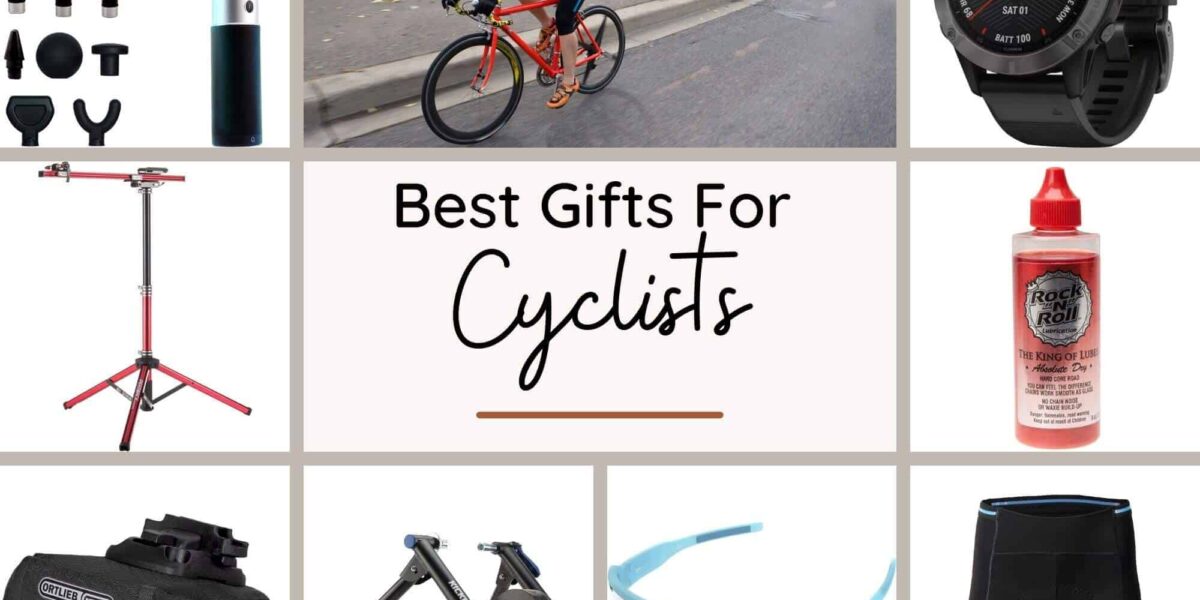
Turbo Trainers: What I Wish I’d Known
Turbo trainer options have grown more complex with the technologies and price points flying around. As someone who bought my first trainer during a rainy November and spent the first week figuring out which type I actually needed, I picked up the practical knowledge of making the right choice. Today, I’ll share what matters.
The Basic Concept
Probably should have led in this part, truthfully. A turbo trainer holds your bike stationary while providing resistance. You pedal, it pushes back. Simple idea, but execution varies wildly. The differences matter more than you’d think.
Trainer Types: My Experience
Wheel-On Trainers
My first was magnetic wheel-on. Rear wheel stays on, roller presses against tire. Worked fine for getting started. Downsides: tire wear, occasional slipping, needed dedicated trainer tire.
These run $100-300 and are adequate for casual winter training.
Direct-Drive Trainers
That’s what makes direct-drive endearing to us serious indoor riders — remove rear wheel, bike bolts directly onto trainer cassette. Quieter, more stable, better power transfer. No tire wear.
Cost more ($300-1200+) but worth it for serious training.
Smart Trainers
Adjust resistance automatically based on what you’re doing. Paired with Zwift, they simulate hills by increasing resistance when virtual road goes up. Changed indoor training from boring to engaging for me.
Rollers
Three cylinders your bike balances on. No attachment. Great for technique and balance, but learning curve. Fell off twice before getting comfortable. Some people love them.
What Actually Matters
Noise: Apartment or early morning? This matters. Direct-drive is generally quieter. Check reviews specifically for noise levels.
Power accuracy: For serious training, accurate power measurement matters. Cheap trainers estimate poorly. Better trainers measure within 1-2%.
Compatibility: Make sure trainer fits your bike. Axle sizes, cassette compatibility, wheel sizes — check before buying.
Stability: You’re putting out real power. Cheap trainers wobble and flex.
The Stuff Nobody Mentions
You’ll sweat more indoors: No wind cooling. A fan is mandatory, not optional.
Need a mat: Sweat drips everywhere. Damages floors and trainer. Mat also dampens vibration.
Ventilation matters: Closed room gets hot fast. Open windows, run fan.
Harder than outdoor riding: No coasting, no downhills. Every second pedaling. 45-minute trainer session feels like 90 outside.
Making Indoor Riding Tolerable
Entertainment helps. Zwift, movies, music. Staring at a wall gets old. Shorter, harder workouts often work better than long slogs.
Brands That Deliver
Wahoo KICKR is gold standard — reliable, accurate, well-supported. Tacx Neo 2T feels most realistic. Saris H3 solid mid-range. For budget, Kinetic and Elite are decent.
My Honest Take
Indoor training isn’t as good as riding outside. Just isn’t. But infinitely better than not riding at all. During winter or bad weather, trainer keeps me fit. That’s what it’s for.
Don’t overthink the purchase. Decent trainer with good apps makes indoor riding workable. Start there, upgrade later if needed.


Subscribe for Updates
Get the latest cycling nutrition hub updates delivered to your inbox.
We respect your privacy. Unsubscribe anytime.