Mountain Bike Body Armor: What Protection Do You Actually Need?
MTB protection advice has turned into a moving target with all the product options and varying opinions flying around. As someone who crashed hard on a rock garden last year without knee pads, I sat down and learned why protection matters after spending weeks with a swollen, scabbed knee.
Hurt every time I bent it. Now I don’t ride technical trails without protection.
Start With Knees
Probably should have led with this part honestly. Knee pads are the most essential armor for trail riding. When you go down, knees hit first. Rocks don’t care about your pain tolerance. Even a modest tumble becomes a multiweek injury when your knee finds a sharp edge.
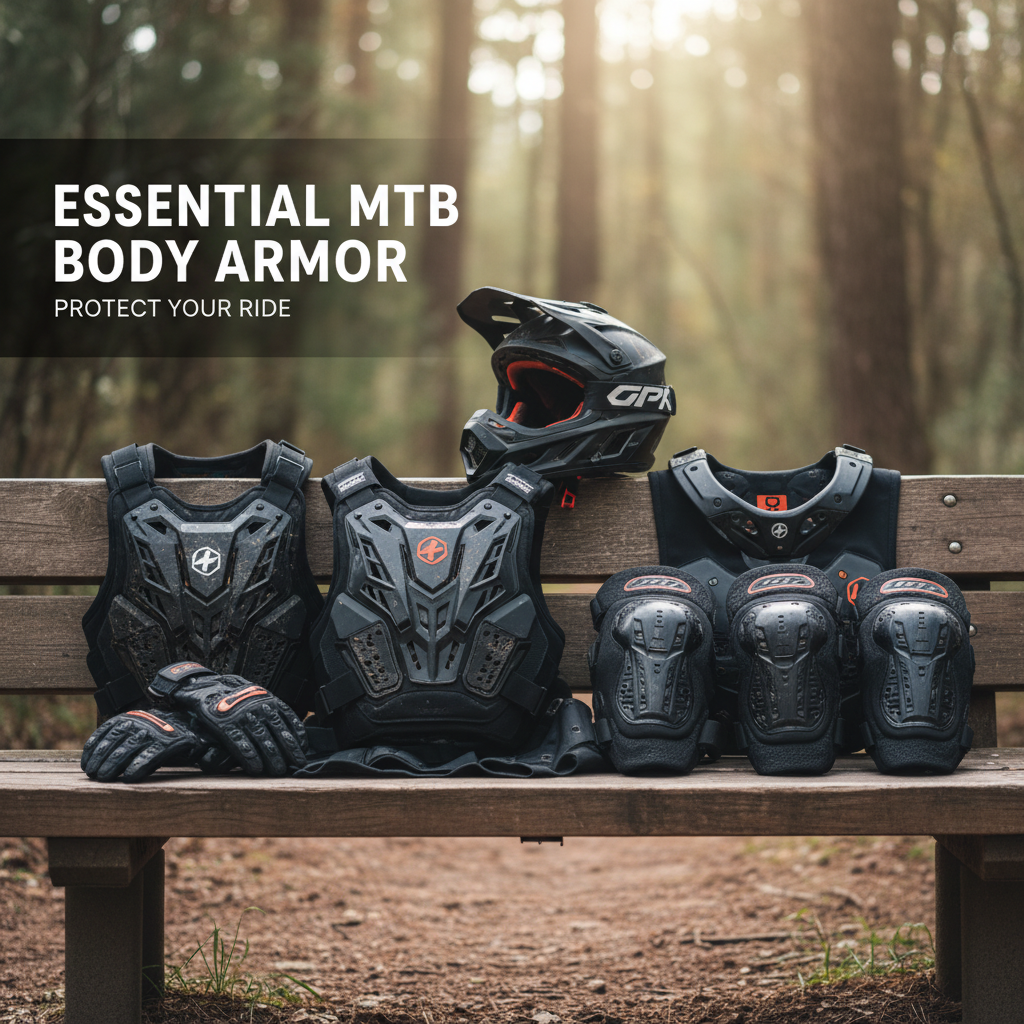
Two main styles: slip-on soft pads for pedaling comfort, or strapped hard-shell pads for maximum protection. For general trail riding, soft pads work well. For bike park or aggressive descending, hard shells absorb more impact.
Fit matters enormously. Pads that slide around during impact are pads that fail you. Try them on with your riding shorts, do some squats, make sure they stay put.
Elbow Pads
Second priority after knees. You’ll instinctively throw out your arms when falling. Unprotected elbows meeting rocks or roots means torn skin and potentially worse.
Elbow pads are typically lighter and less restrictive than knee pads. Most people forget they’re wearing them within the first few minutes of a ride. The inconvenience is minimal, the protection is significant.
Full-Face Helmet vs. Regular Helmet
Standard half-shell helmets protect the top and back of your head. Full-face helmets add chin bar protection. The question is what kind of riding you do.
For bike parks, gravity riding, or genuinely technical terrain – full-face makes sense. A chin impact with a half-shell helmet means reconstructive dental work or worse.
For general trail riding with moderate technicality, many riders stick with half-shells for the lighter weight and better ventilation. It’s a personal risk calculation.
Convertible full-face helmets with removable chin bars attempt to bridge the gap. Good option if you mix climb-heavy XC with technical descents.
Back and Chest Protection
For most trail riders, a backpack with a built-in spine protector provides enough spinal coverage without dedicated armor. Some hydration packs include this.
Full upper-body armor with chest plates and spine guards is more common in downhill and enduro racing. It’s hot, restrictive, and overkill for casual trail riding. But for high-speed, high-consequence terrain, it makes sense.
Gloves
Not technically armor, but your palms hit the ground in almost every crash. Gloves protect against road rash on your hands. Any mountain bike gloves with palm padding help. Full-finger gloves also protect knuckles from passing vegetation.
What I Actually Wear
For normal trail rides: half-shell helmet, knee pads, elbow pads, gloves. This covers the most common impact points without overheating or restricting movement.
For bike park days or gnarly descents: full-face helmet, hardshell knee and shin guards, elbow pads, gloves. More protection for higher-consequence terrain.
I skip the full upper-body armor. Too hot for my riding style, and my crash patterns don’t typically involve chest impacts.
Brands That Work
Fox Racing, POC, Leatt, and Troy Lee Designs all make quality protection. They’re not cheap, but cheaper options often sacrifice either protection or comfort. Uncomfortable pads become pads you don’t wear.
Try before buying if possible. Fit varies significantly between brands. What works for your riding buddy might not work for you.
The Reality
That’s what makes MTB protection endearing to us riders who’ve learned the hard way. You might ride for years without a crash that justifies armor. But crashes are unpredictable, and the one time you need protection is also the one time you can’t predict it. Wearing armor is insurance you hope never pays out – but when it does, you’re grateful for the premiums.




Subscribe for Updates
Get the latest cycling nutrition hub updates delivered to your inbox.
We respect your privacy. Unsubscribe anytime.