What’s Actually Going On in Your Gut When You Push Hard
Cycling nutrition has shifted noticeably with all the conflicting advice flying around. But the nausea problem? That one has a pretty straightforward explanation — at least once you understand what your body is actually doing at high intensity.
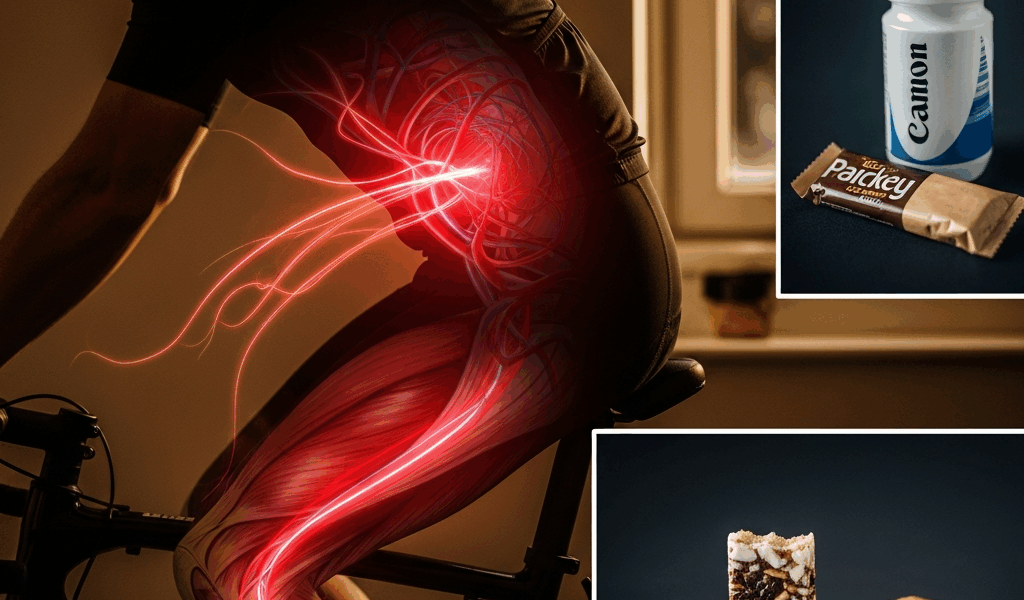
Here’s the short version: your body redirects blood away from your digestive system the moment you start working hard. Your muscles need it more. Your gut doesn’t get what it needs to process food. So around minute 45 of a tempo interval, that distinctive “I’m about to lose my lunch” feeling shows up right on schedule.
This doesn’t happen at easy paces. Zone 2, conversational effort — your digestive system keeps humming along just fine. Cross into threshold work, VO2 intervals, or a sustained climb above zone 3, and the blood-flow conflict becomes very real. Most riders notice it somewhere around 75–80% of max heart rate. Your stomach isn’t imagining it. It’s genuinely struggling to break down food without enough blood supply. That’s why “just push through it” is completely useless advice.
The Four Most Common Causes of On-Bike Nausea
Cause 1: Eating Too Close to a Hard Effort
Eat a substantial meal — or even a medium snack — within 15–30 minutes of a hard effort, and your gut has barely started digesting it. Then your intensity spikes, blood flow to your stomach drops off a cliff, and that partially digested food just sits there. The result is nausea, cramping, and a general sense of regret.
This is probably the most common culprit. I’ve seen it in my own training and heard it from practically every rider I’ve talked to about this.
Cause 2: High-Fat or High-Fiber Foods
Fats and fiber slow gastric emptying — they linger in your stomach far longer than simple carbs do. A peanut butter bar, a handful of almonds, a fiber-heavy granola that looks like health food. All of them are asking for trouble on a hard ride. Your stomach is already under stress from reduced blood flow. Adding slow-digesting food makes a bad situation worse.
Cause 3: Overly Concentrated Gels or Sports Drinks
Too much sugar, not enough water. That combination creates osmotic stress — your gut actually pulls fluid from your bloodstream to dilute the high-sugar mixture, which triggers nausea, cramping, or worse. This is a separate problem from the blood-flow issue entirely. It’s a hydration and osmolarity problem, and it makes digestion harder, not easier. A lot of riders never connect these dots.
Cause 4: Heat Amplifying Everything
Hot weather makes all of this worse. Heat pushes even more blood toward your skin for cooling, leaving even less available for digestion. A gel that sits perfectly fine on a cool 55°F morning can wreck you on a 75°F afternoon ride. Heat stress alone can trigger nausea — no food required.
How to Figure Out Which Cause Is Your Problem
Worth flagging before going further. Fixing on-bike nausea starts with knowing what’s actually causing it — not just throwing solutions at a problem you haven’t identified yet. Start asking yourself these questions on your next few rides.
Does the nausea happen at a specific intensity threshold? If it shows up only during hard efforts but never on easy spins, the blood-flow conflict is your culprit. Intensity is the problem. If it happens even on relaxed rides, look somewhere else.
Does it happen with certain foods only? Try a plain rice cake on one ride. A granola bar on the next. A gel on a third. Nausea appearing only with specific foods points to food type — not timing, not intensity. Keep a simple log. Ride date, what you ate, when, and whether you got sick. Three rides of data tells you a lot.
Does timing matter? Eat something 5 minutes before a hard interval. Then try the same food 30 minutes before. If the 30-minute window is fine but the 5-minute version destroys you, timing is your issue. That’s actually a fixable problem.
Does weather change the outcome? Same food, same intensity — cool day versus hot day. If you only get sick when it’s warm, heat is compounding everything else.
Most riders are dealing with some combination of these factors. You might handle a banana 20 minutes before a threshold effort on a 60°F morning just fine. That same banana, 10 minutes before a hard climb at 75°F, is a different story entirely. Change one variable at a time. It’s the only way to actually narrow it down.
What to Change on Your Next Ride
If intensity is the problem: Stop eating during hard efforts altogether. Have a small snack 20–30 minutes before you start — a banana, a sports drink, something light — then wait until you’re back at easy pace to eat again. A banana 30 minutes before a tempo session works. Eating mid-interval does not.
If food type is the problem: Stick to simple carbs. Rice cakes, diluted sports drinks, low-fiber granola, white bread, plain gels with water. Save the peanut butter, the nuts, and anything with serious fiber content for easy days or post-ride meals. A 45g carb gel works at intensity. A 45g protein bar does not. Side-step the error I made of learning that the hard way mid-climb.
If osmolarity is the problem: Dilute your gel. Mix a full packet with 4–6 ounces of water instead of taking it straight. Or switch to a diluted sports drink targeting around 6–8% carbohydrate concentration instead of concentrated fuel. Your stomach will genuinely thank you within a ride or two.
If heat is the problem: Ride earlier — 6 a.m. is brutal to wake up for but not as brutal as bonking in a ditch at noon. Use colder fluids where you can. Eat smaller amounts more frequently rather than one bigger snack. Lighter-colored, moisture-wicking kit makes a real difference in keeping core temperature down.
You should notice improvement within one to three rides once you isolate the right variable. Change one thing. Give it three attempts. If nothing shifts, you’ve ruled that cause out — move to the next one.
When On-Bike Nausea Is a Warning Sign Worth Taking Seriously
Nausea tied to food timing, intensity, or heat usually clears up once you fix the actual cause. But if you’re making these changes and still feeling sick — pay attention to that. Persistent nausea can signal heat exhaustion, overtraining, or a GI issue that’s worth talking through with a doctor.
You know your body. If something feels genuinely off beyond normal training stress, check in with a medical professional. Most on-bike nausea is a nutrition problem with a nutrition fix. Some of it isn’t — and those cases deserve more than a blog article.

Subscribe for Updates
Get the latest cycling nutrition hub updates delivered to your inbox.
We respect your privacy. Unsubscribe anytime.