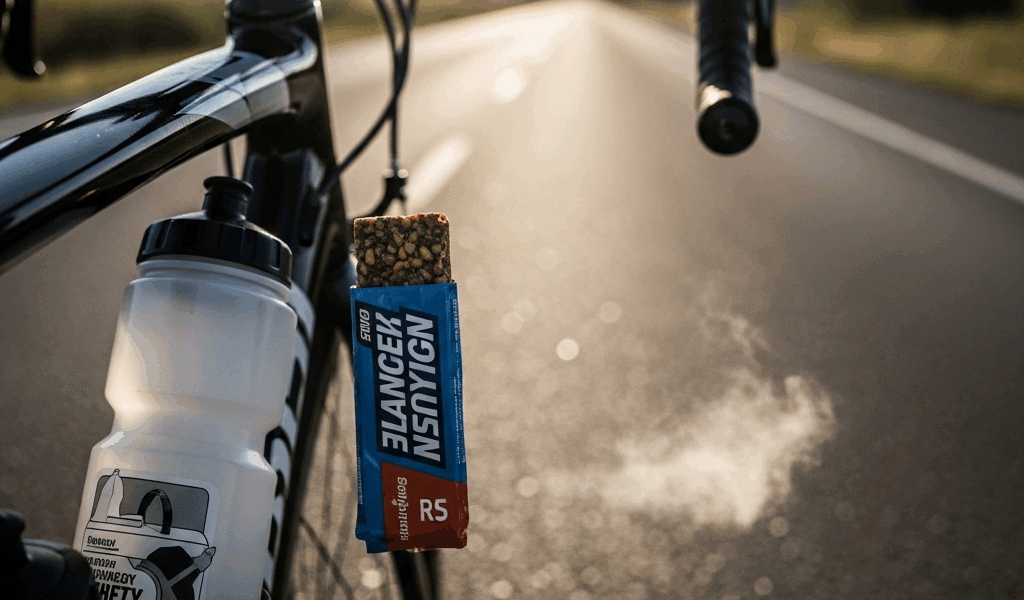
Why Your Gut Struggles When You Ride Hard
Eating on the bike has gotten complicated with all the conflicting advice flying around. But here’s the thing nobody actually explains: your working muscles are winning a blood-flow competition against your digestive system — and your stomach is losing badly. When you push hard, climbing or sprinting or grinding through tempo, your legs essentially steal oxygen delivery away from your gut. The result? Your stomach and intestines can’t break down food properly. That’s why you can eat a banana at home without a second thought and then feel genuinely wretched trying to swallow one at mile 40.
The nausea isn’t random. It’s your body flagging a mismatch — timing, intensity, food type, portion size, or some ugly combination of all four. But once you figure out which factor is actually the problem, you can fix it in a ride or two. Maybe one.
The Most Common Causes of Mid-Ride Nausea
Eating too soon before or during hard effort
This is the culprit most of the time. You eat something solid and immediately hit a climb — your stomach is still mid-digestion when blood gets rerouted to your legs. The food just sits there. Half-processed. Angry. Swallowing while your heart rate is spiking above 170 bpm makes it worse. Your body is running in fight-or-flight mode, not digest-my-rice-cake mode. Those are two completely different states.
High-fat or high-fiber food mid-ride
But what is “gut-unfriendly food” in this context? In essence, it’s anything that demands serious digestive effort — fats, fiber, dense protein. But it’s much more than that. A handful of almonds or a whole-grain bar might be a perfectly reasonable desk snack. Mid-ride, at 85 percent effort? Disaster. Gels and sports drinks exist for a reason. They’re engineered to absorb fast with minimal processing. Your struggling gut will thank you for the upgrade.
Dehydration or overhydration
Too little fluid and your gut is already compromised before food ever enters the picture. Add eating on top of that and it has nothing to work with. On the other side, too much fluid — especially warm, sugary drinks consumed in large gulps — expands in your stomach and triggers the same nausea. The window is narrower than most riders realize. Most of us underestimate sweat rate and roll into the back half of a ride already partially in the hole.
Heat amplifying gut sensitivity
A 75-degree afternoon feels manageable until you’re two hours deep and grinding uphill in direct sun. Heat pulls blood toward your skin for cooling — which compounds the already-compromised gut blood flow situation. Your stomach becomes genuinely hypersensitive. Food that works fine on a cool Tuesday morning will make you gag on a hot Saturday ride. Same food. Different outcome. Temperature changes everything.
Eating too fast or too much at once
Three gels in two minutes. I’ve done it. Don’t make my mistake. Volume matters as much as food type — even easily digestible fuel creates problems when the portion overwhelms your gut’s capacity during effort. Your stomach has a ceiling. Slamming into it mid-climb is a memorable experience, and not in a good way.
How to Fix It Based on What Is Causing It
If intensity is the trigger — back off before eating
Stop eating during efforts harder than roughly 80 percent of max heart rate. Save your nutrition for the recovery valleys between intervals — the flats, the descents, the spots where your heart rate actually backs off. Give your system a minute or two at easier effort, introduce food, wait another two to three minutes, then ramp back up. This is non-negotiable, honestly. Your digestive system cannot multitask at near-maximum intensity. It just can’t.
If food type is the issue — simplify immediately
Switch to gels, sports drinks, or simple carbs. A single Maurten 160 gel delivers 40 grams of carbs with minimal gut stress. Two Clif Shot Bloks — the Strawberry ones, if you care — are equally easy. Bananas are underrated and cost about 30 cents each. Dates work too. Skip the nut bars and whole-grain everything until you’re back at the car. For most riders, this one change alone solves the problem within a single ride.
If dehydration is the problem — establish a drinking schedule
Aim for 500 to 750 milliliters of fluid per hour, adjusted for heat and effort. Don’t drink it all at once — take roughly 150-milliliter swallows every 15 to 20 minutes. If you’re already nauseous, you’re almost certainly already dehydrated, which then makes eating even harder. Drink first, wait five minutes, then eat. That order matters more than most riders ever figure out.
If overhydration is causing it — reduce volume per gulp
Sip more often rather than chugging. A full 750ml bottle hitting an empty, bouncing stomach during hard effort is a reliable recipe for misery. On hot days, try diluting your sports drink slightly — it absorbs faster and doesn’t sit as heavy. Target 125 to 150 milliliter sips on a rough timer. Your stomach will notice the difference.
If heat is amplifying nausea — cool the drink and reduce portion size
Pre-chill your bottles. Add ice before the ride. Warm fluid genuinely feels heavier in the stomach and your gut knows it. Smaller portions also become more critical in heat — instead of a full gel every 30 minutes, try half a gel every 15. That’s the same total intake, just easier on a heat-stressed system. Work with your stomach’s sensitivity rather than against it.
If you’re eating too fast — slow down and spread it out
A gel should take 30 to 60 seconds to consume, not 10. Bananas deserve even more time. Space feedings 20 to 30 minutes apart rather than cramming them into a narrow window. This gives your stomach room to actually process what it’s received before the next wave arrives.
How to Train Your Gut to Handle More Food
Probably should have opened with this section, honestly. Your digestive system is adaptable — more than most riders give it credit for. Athletes training for long events can increase gut tolerance significantly through deliberate, consistent practice. Actual sports science backs this up, not just anecdote.
Start during easy rides. Consume a small amount of your target food — maybe half a gel, maybe two Bloks — and pay attention to how your stomach responds. Keep effort conversation-paced. Over the following two to three weeks, gradually increase both portion size and frequency during these easy efforts. Once you can comfortably handle 60 grams of carbs per hour at easy effort without discomfort, start introducing small amounts during moderate effort. The whole process takes four to eight weeks for most riders.
I’m apparently someone with a pretty sensitive stomach — Maurten works for me while most other gel brands never quite agree with me mid-ride. Took me a full season to figure that out. Consistency matters more than anything here. Ride three to four times weekly and practice eating almost every time. Your gut adapts faster than you’d expect. Many riders solve mid-ride nausea within a month using this approach — not by eating less, but by eating smarter and practicing on purpose.
What to Try on Your Next Ride
Pick one change. Just one. If intensity feels like the culprit, commit to eating only during easier segments and nowhere else. If food type seems like the issue, swap whatever you’re currently carrying for a gel or a banana — nothing else. If heat feels relevant, chill your bottle and cut portions in half before you roll out.
One ride of real data beats weeks of guessing. Most riders identify their specific trigger within a single outing. Nausea is genuinely frustrating — but it’s also fixable. You’re probably one or two small adjustments away from riding comfortably fed and feeling like yourself again.



Subscribe for Updates
Get the latest cycling nutrition hub updates delivered to your inbox.
We respect your privacy. Unsubscribe anytime.