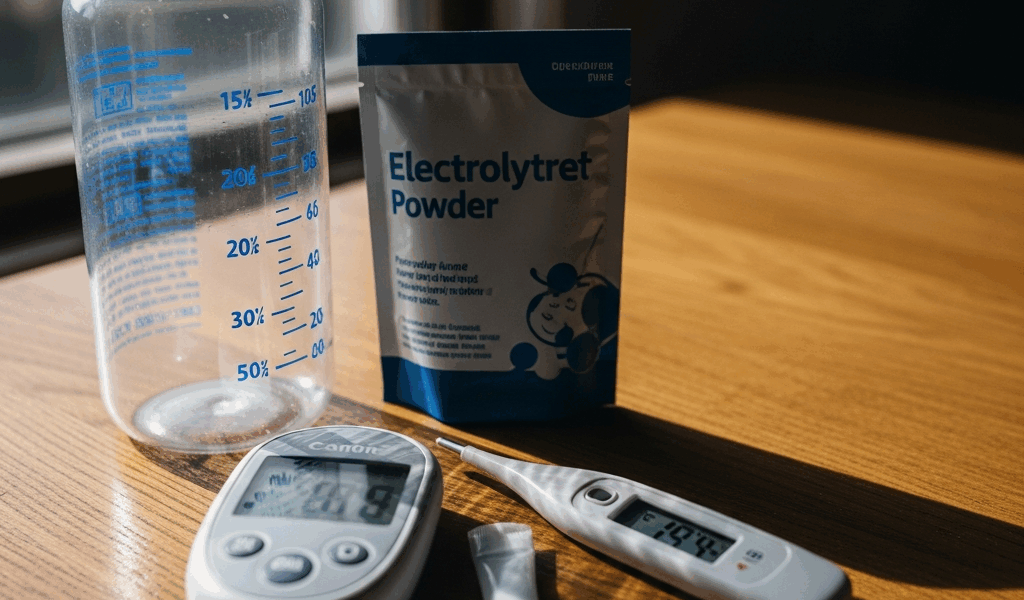
Dizziness After Cycling Has Gotten Complicated With All the Bad Advice Flying Around
You roll across the finish line, unclip, and suddenly the world tilts. Vision goes fuzzy. Legs feel like wet concrete. You grab your water bottle and genuinely wonder if you’re about to hit the pavement.
Most cyclists blame dehydration immediately. It’s the obvious answer. It’s also, more often than not, the wrong one.
The real picture is messier. Post-ride dizziness actually comes from four separate physiological failures — blood sugar crash, sodium depletion, overheating, and blood pooling in your legs the moment you stop pedaling. Different causes. Different fixes. Most riders guess wrong, chug electrolyte drink, and feel just as dizzy the following Saturday.
As someone who cramped and shook uncontrollably after a 90-minute road race while pouring Gatorade down my throat like it owed me money, I learned this distinction the hard way. Today, I will share it all with you. Turns out my blood sugar had completely tanked. More sodium wasn’t the answer. I needed 30 grams of fast carbs, not another bottle of anything.
Let’s break down each cause so you can actually identify yours.
Blood Sugar Crash — Probably the One That Got You
But what is a blood sugar crash in this context? In essence, it’s your body running out of glucose mid-effort and then continuing to dump insulin after you stop — a healthy response that turns ugly when your glycogen stores are already empty. But it’s much more than that.
Your muscles burn through glycogen during hard efforts. When you stop, the insulin response kicks in to clear lactate and begin refueling. Fine under normal circumstances. But if you haven’t eaten on the bike and you’ve been pushing hard, blood glucose can crater in the first 10 minutes post-ride.
The symptoms are specific. Shakiness. Sudden, almost violent fatigue. Brain fog thick enough that forming a sentence feels like work. Vision that actually blurs at the edges. An overwhelming need to sit down immediately.
This is different from dehydration dizziness — which creeps up gradually and feels more like floating lightheadedness. A bonk hits fast. Usually within minutes of stopping.
The fix is immediate carbohydrate intake. Not protein. Not fat. Fast carbs — sports drink, orange juice, a banana, even a plain bagel. Something in the 20-30 gram range. Get it in within five minutes of finishing.
Probably should have opened with this section, honestly. Blood sugar crashes account for maybe 60% of the dizziness complaints I see in cycling forums, and yet everyone keeps reaching for the water bottle first.
Prevention is straightforward: fuel during the ride. Most cyclists absorb 60-90 grams of carbs per hour depending on fitness and gut training. That’s roughly one gel every 30 minutes, or a Maurten 320 bottle every 45, or a Clif Bar timed around the halfway point. Don’t make my mistake. Eating on the bike feels unnecessary until it suddenly, desperately isn’t.
Sodium Loss — The One That Feels Like Standing Up Too Fast
Sweat is salty. That’s not a metaphor. For every liter you produce, you shed somewhere between 400 and 800 milligrams of sodium. On a two-hour July ride, that’s a meaningful deficit.
This doesn’t push most healthy riders into clinical hyponatremia. What it does do is make blood pressure regulation sloppy and nerve signaling imprecise. You stand up after the ride — to walk to the car, to climb stairs, to do literally anything vertical — and the room tilts. Muscles feel unreliable. Nausea sometimes follows.
That’s what makes sodium-depletion dizziness distinct from a blood sugar crash. The standing-up trigger. The movement component. Bonking hits you while seated. Electrolyte dizziness hits you when you try to do something upright.
The fix during the ride is 300-600 milligrams of sodium per hour — more if it’s hot, more if you’re a heavy sweater. Most major sports drinks include sodium; look for at least 200mg per 500ml bottle. Nuun tablets, Liquid IV, and similar supplements work too. So does a sports drink paired with a salty snack — pretzels, salted almonds, whatever you can stomach at mile 40.
Here’s what doesn’t work: plain water in large quantities. Drinking only plain water while sweating heavily actually dilutes your blood sodium further. Your body sheds more sodium to maintain osmolality. You end up worse than when you started. I’m apparently a heavy sweater — around 1.2 liters per hour — and Precision Hydration’s 1000mg formula works for me while standard Gatorade never quite cuts it on long summer rides.
After the ride, eat something with actual salt in it. A real meal, not a protein shake. Normal dietary sodium restores balance faster than any amount of water.
Blood Pooling — The Sharp Tilt Right When You Stop
While you’re pedaling hard, your leg muscles are contracting rhythmically — essentially acting as a second heart, squeezing blood back toward your torso. The moment you stop, that pump stops. Blood stays in your legs. For 10-30 seconds, your brain receives slightly less blood flow than it needs.
This is orthostatic hypotension. The dizziness feels sharp and sudden — a tilting sensation that usually passes quickly if you stay still rather than trying to walk around.
You notice it most after sprint finishes, criterium efforts, hill repeats. Short, savage intensity hits different than three hours of steady tempo. That’s what makes blood pooling particularly sneaky for crit racers and track cyclists — it shows up right at the moment everyone’s congratulating each other in the finish area.
The fix is simple: don’t actually stop. Keep the legs moving. Five to ten minutes of easy spinning after a hard effort lets your muscles keep pumping blood back to your core — blood pressure normalizes, dizziness never materializes. Some riders add compression socks or calf sleeves, though the evidence there is genuinely mixed. The cool-down spin is the only intervention with a clear track record.
If you do stop abruptly — race situation, mechanical, whatever — sit down immediately rather than standing around. Give it a minute or two, then stand slowly. This is completely physiological and not dangerous in healthy riders. Your body sorts it out quickly once you’re moving again.
How to Stop It Happening on Your Next Ride
First, you should pinpoint which type actually hit you — at least if you want to fix the right thing. Shakiness and brain fog? Blood sugar. Dizziness specifically when you stand or move? Sodium and hydration. Sharp tilting sensation right at the moment you stopped pedaling? Blood pooling.
Before your ride: Eat a real meal with carbohydrates and salt 2-3 hours prior. Don’t start fasted unless you’re doing a very specific low-intensity session under 60 minutes. Drink normally that morning — steady, not frantically.
During the ride: While you won’t need a nutrition degree, you will need a handful of actual food and a plan for taking it. Carry a sports drink with both carbs and sodium. For anything under an hour, water and normal pre-ride fueling may cover you. For longer or harder rides, target 60-90 grams of carbs and 300-600mg sodium per hour. I use a Garmin Edge 530 with a custom alert set every 30 minutes — without it, I will absolutely forget to eat until I’m already suffering.
After the ride: Sit down if you feel dizzy. Eat fast carbs within five minutes if shakiness or brain fog is present. Spin easy for 10 minutes instead of stopping dead — this one change eliminates blood pooling dizziness almost entirely. Drink something with sodium rather than plain water.
One last thing. If dizziness lasts for hours, if you experience chest pain, or if you lose consciousness — that is not normal post-ride physiology. See a doctor. Don’t make that particular mistake.


Subscribe for Updates
Get the latest cycling nutrition hub updates delivered to your inbox.
We respect your privacy. Unsubscribe anytime.