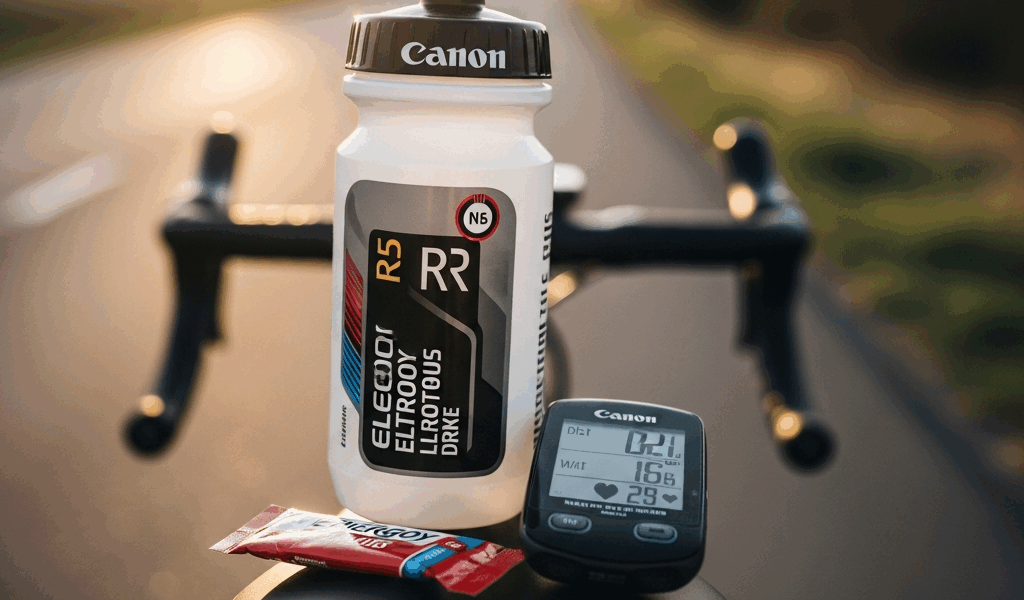
What Actually Happens When You Bonk
Bonking has gotten complicated with all the conflicting advice flying around. Eat this, don’t eat that, fast through your morning ride, carb-load the night before — everyone has a take. As someone who has bonked embarrassingly often and then spent years obsessing over sports nutrition to stop it from happening, I learned everything there is to know about glycogen, fueling windows, and why your legs turn to cement at mile 18. Today, I will share it all with you.
But what is bonking? In essence, it’s your muscles running out of glycogen — the stored carbohydrate fuel your body burns during hard efforts. But it’s much more than that. It’s legs that feel like concrete. A mind that goes fuzzy. A hill that looked manageable an hour ago now looks genuinely impossible. Your body stores glucose as glycogen, and that supply is finite. Most cyclists have roughly 90 minutes of hard-effort fuel in the tank at any given time. When it’s gone, blood sugar crashes, power output collapses, and the wall arrives — fast and without much warning.
That’s what makes bonking so brutal to cyclists who train hard and still can’t figure out why it keeps happening. Here’s the thing, though: it’s completely preventable. Not random. Not a fitness problem. A solvable fueling problem with a clear fix.
Cause 1 — You Started the Ride Under-Fueled
This one catches riders off guard because the damage happens before you even clip in.
You skip breakfast. Or you eat two eggs and toast with peanut butter — mostly protein and fat — and figure that counts. Or you had a late dinner the night before, slept seven hours, and woke up already glycogen-depleted without realizing it. Then you roll out feeling totally normal, and by mile 15, something’s already wrong. Legs are heavier than they should be. You’re not sure why.
Starting under-fueled means your glycogen stores are compromised before the first pedal stroke. Even if you fuel perfectly during the ride, you’re digging out of a deficit the whole time.
The fix: Eat a carb-forward meal 2 to 3 hours before you ride. Target 1 to 4 grams of carbs per kilogram of body weight — for a 70-kilogram (154-pound) rider, that’s roughly 70 to 280 grams, which covers everything from a light pre-dawn snack to a full bowl of oatmeal with banana and honey.
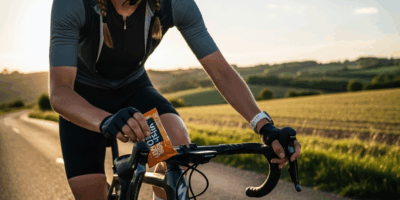
If you’re out the door at 5:30 a.m. and a full meal isn’t happening, eat something simple 30 to 60 minutes before you start. A banana. A rice cake with honey. A Nature Valley bar from the gas station. Don’t overthink it — just get carbs in. I learned this the hard way on an early group ride, bonking at mile 18 despite thinking half a piece of toast two hours earlier was “enough fuel.” Switched to one banana 45 minutes before the next ride. The difference was not subtle. Don’t make my mistake.
For more detail on pre-ride meal timing and composition, check out the breakfast article.
Cause 2 — You Waited Too Long to Eat Mid-Ride
Probably should have opened with this section, honestly — it’s the most common bonking culprit I see.
The first hour feels great. Legs are firing. Energy is solid. So you don’t eat — why would you? You’re not hungry. Then somewhere between mile 10 and mile 15 of a 25-mile ride, the wall shows up with zero warning. Legs turn to lead. You’re suddenly exhausted. And you realize, too late, that you should have started eating 40 minutes ago.
The lag is the actual problem here. Carbs take time — real digestion time — to enter your bloodstream and reach working muscles. There’s a gap between eating and fueling. If you wait until hunger or fatigue tells you to eat, you’ve already missed the window. You’re riding on fumes while your food is still processing somewhere around your small intestine.
The fix: Eat on a schedule. Not hunger cues. Start at 30 to 45 minutes into the ride — before you feel like you need anything. Aim for 30 to 60 grams of carbs per hour depending on how hard you’re working and how long you’re out.
Here’s what a 3-hour ride fueling schedule looks like in practice:
- 0:00 to 0:45 — Ride on your pre-ride meal and glycogen stores. Water or sports drink only.
- 0:45 — First snack — 30 to 40g carbs. A banana, an energy bar, or five to six rice crackers. Sports drink if you have it.
- 1:30 — Second snack — 30 to 40g carbs. Same types of foods. This is the critical second feed. Miss this one and the crash comes.
- 2:15 — Final snack if you’re going past 2.5 hours — 20 to 30g carbs. Something easy on the stomach, like a Maurten gel or a few swigs of Skratch Labs mix.
This keeps carbs flowing continuously instead of spiking in a panic when you’re already depleted. I went from bonking on century rides constantly — yes, constantly, I was genuinely stubborn about this — to finishing strong just by committing to eating at 45 minutes, 1:45, and 3:00 regardless of how I felt at those checkpoints. The food I didn’t think I needed turned out to be the food that made the ride.
For the full breakdown of what to carry and when to switch between solid food and gels, the mid-ride fueling article goes deep on all of it.
Cause 3 — Your Intensity Was Higher Than Your Fueling Plan
You planned a mellow 2-hour ride. Budgeted for steady-state effort — maybe 30 to 40 grams of carbs per hour. Reasonable plan. Then you got dropped by a group and pushed to catch back on. Or the route had a 1,200-foot climb nobody mentioned. Or you just rode harder than you meant to because the weather was good and the legs felt fine.
Higher intensity burns glycogen faster. Much faster. If your actual effort drifts above your fueling plan without adjusting intake, reserves empty earlier than expected. The bonk comes hard and ahead of schedule.
The fix: When you realize the ride is harder than planned, increase carb intake immediately — don’t wait. A practical rule: for every 10 watts above your planned steady-state effort, add 5 to 10 grams of carbs per hour. It’s not a precise formula, but it’s honest math that works in the field.
More simply: breathing harder than expected means eating more than planned. Grab an extra Clif Shot. Drink an extra 8 ounces of Gatorade Endurance. Pull out the backup bar you almost left at home. The cost of eating slightly too much during a hard ride is nearly zero. The cost of underfeeding is the wall — and then 45 miserable minutes trying to limp home.
I’m apparently someone who locks into a fueling script regardless of what’s actually happening around me, and that approach never worked on group rides where the pace was unpredictable. Now I carry two extra Maurten 100 gels as a standard policy and consciously bump consumption when I see climbing ahead or when the group surges. Knowing the fuel is there for the hard parts — that changes how you ride. Genuinely.
A Simple Pre-Ride Checklist to Avoid Bonking
- Eat a carb-forward meal 2 to 3 hours before the ride, or a light carb snack 30 to 60 minutes before if you’re riding early.
- Plan to eat starting at 45 minutes in — not when hunger shows up.
- Carry enough food for your planned duration. Minimum 30 to 60 grams of carbs per hour.
- Pack backup carbs for when the ride gets harder than planned. A few extra gels weigh nothing.
- Drink consistently alongside eating. Dehydration masks bonking symptoms and makes everything worse faster.
- Hills or group rides mean eating more — not the same amount. Adjust upward before you need to.
- Test your fueling plan on shorter rides before trusting it on a long one.
Bonking is preventable. You’ve got this.

Subscribe for Updates
Get the latest cycling nutrition hub updates delivered to your inbox.
We respect your privacy. Unsubscribe anytime.