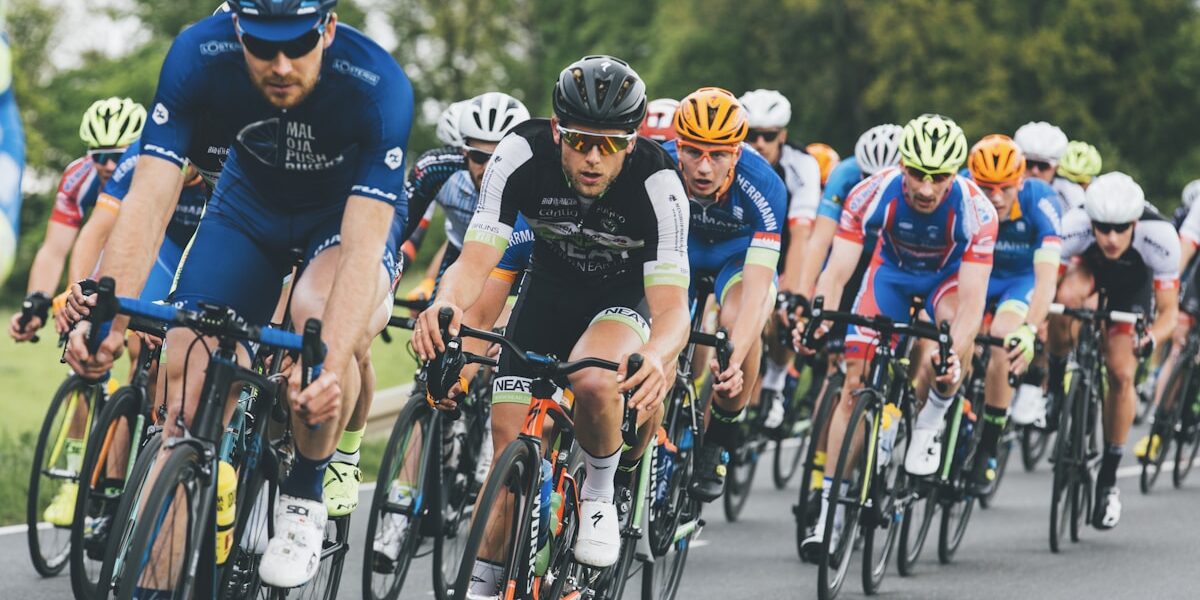
Eating During Long Rides
On-bike nutrition has gotten complicated with all the products and strategies flying around. As someone who bonked hard on a 4-hour ride because I thought I could just drink water and power through — spent the last hour barely able to pedal, legs empty, brain foggy — I learned everything there is to know about fueling during rides. Today, I’ll share what works.
Why You Need to Eat
Probably should have led with this section, honestly. Your body stores about 90 minutes worth of glycogen. After that, you’re running on what you eat during the ride. Skip the food and eventually you hit the wall — legs feel hollow, power drops, and everything becomes miserable.
What to Eat
Gels and sports drinks are convenient. Real food works too — bananas, rice cakes, fig bars, PB&J sandwiches. What matters is getting 30-60 grams of carbs per hour on rides over 90 minutes.
That’s what makes simple, tested foods endearing to us endurance riders — they deliver the fuel without complications. Start eating within the first hour and continue regularly. Don’t wait until you feel depleted.
Stomach Tolerance
Your gut tolerates less during hard efforts. Practice eating during training so your digestive system adapts. Intensity, heat, and stress all reduce gut function — adjust portions accordingly.
The Simple Rule
For any ride over 90 minutes: eat early, eat often, and stick with foods you’ve tested. The goal is consistent energy, not perfect nutrition. Whatever you can tolerate that keeps you fueled is the right choice.


Subscribe for Updates
Get the latest articles delivered to your inbox.
We respect your privacy. Unsubscribe anytime.