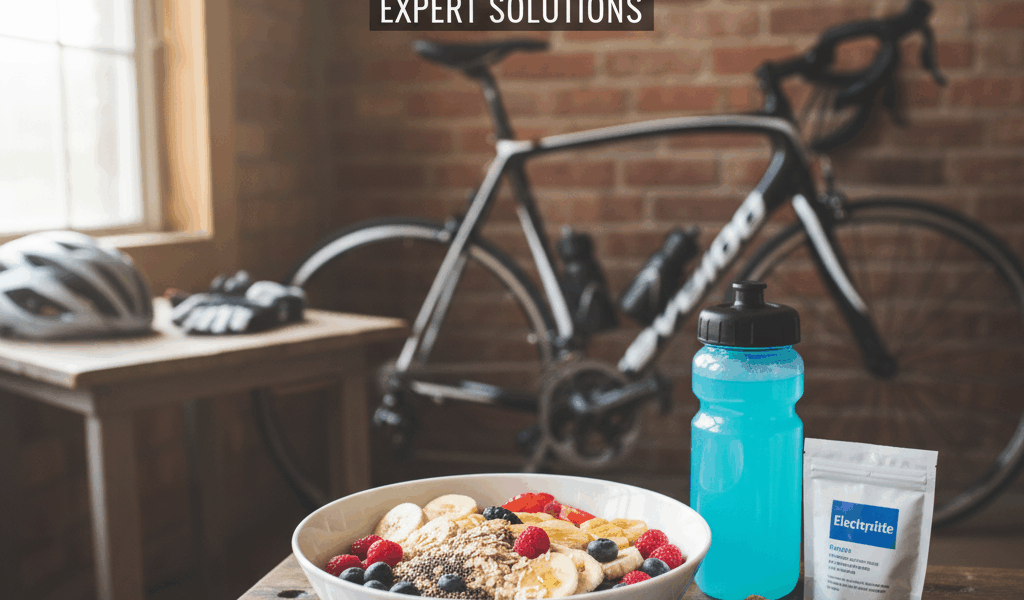
When Your Stomach Betrays You at Mile 50: Fixing Common Cycling Nutrition Disasters
Cycling nutrition troubleshooting has gotten complicated with all the conflicting advice flying around. As someone who’s experienced every variety of on-bike nutritional disaster—from the classic bonk to the emergency hedge visit—I learned everything there is to know about what goes wrong and how to fix it. Today, I will share it all with you.
The Bonk: That Horrible Empty Feeling
That’s what makes bonking so humbling to us cyclists—no matter how fit you are, run out of glycogen and you’re done. Legs feel like sandbags. Brain gets fuzzy. What was a 20mph cruise becomes a 10mph survival crawl.
I’ve been there. Standing on the side of a country road, eating emergency gummy bears, watching my average speed plummet while I waited for sugar to hit my bloodstream. Not my proudest cycling moment.
The math is brutal: a hard 3-hour ride burns 2000+ calories. Your body stores maybe 2000 calories of glycogen total. If you don’t eat during the ride, you’re rolling the dice. Prevention is simple—eat early, eat often. Something every 30-45 minutes, starting before you feel hungry.
If you catch the early warning signs (legs getting heavy, unusual fatigue, mild confusion), stop immediately. Eat something fast—gels, candy, sugary drink. Then soft pedal for 15-20 minutes. Trying to push through just digs deeper into the hole.
GI Distress: The Problem Nobody Wants to Discuss
Probably should have led with this section, honestly. Stomach issues wreck more long rides than mechanical failures. Understanding why helps you fix it.
Dehydration culprit: Not drinking enough concentrates gut contents and slows digestion. Food just sits there. Feels terrible.
Intensity matters: Hard efforts divert blood from your gut to your legs. What you can digest during a steady endurance ride might revolt during a race effort. Plan accordingly—simpler, more liquid calories when pushing hard.
Wrong fuel: Fat, fiber, and protein slow digestion. Great for regular meals, disaster during hard riding. That protein bar might be fine on an easy spin but murder your stomach during a group ride. Keep it to simple carbs when intensity is up.
Fructose sensitivity: Some people can’t handle much fructose. If you get bloating, gas, or worse after certain gels, check the fructose content. Try products with different sugar ratios until you find what works.
Cramps: It’s Not Just Salt
The old “drink more electrolytes” advice isn’t wrong, but it’s incomplete. Recent research shows cramps are a combination of electrolyte status, muscle fatigue, and neuromuscular factors.
If you’re a heavy sweater with white salt stains on your jersey, yeah, you need more sodium. Add electrolyte tablets, use salted snacks, pick sports drinks over plain water. But if electrolytes were the whole story, every cyclist who hydrated properly would be cramp-free. They’re not.
Training status matters. Muscles not prepared for the demands you’re placing on them cramp more easily. If you cramp during races but not training, the intensity gap is probably the issue. Include hard efforts in training so race day isn’t a shock.
Pacing is huge. Going out too hard and accumulating fatigue early sets you up for cramping later. And once you start cramping, the tension and fear can create a feedback loop that makes it worse.
The Energy Roller Coaster
Some riders feel great, then terrible, then okay, then terrible again. This usually signals blood sugar instability.
Big doses of simple sugar cause spikes followed by insulin-driven crashes. You feel the surge, then 30 minutes later you feel worse than before. The fix is smaller, more frequent feeding. Something every 20-30 minutes instead of a big hit every hour.
For moderate rides (not races), adding a bit of fat or protein to your carbs can slow absorption and smooth out the swings. That’s why real food works so well for long steady rides.
Recovery That Doesn’t Recover
If you’re consistently destroyed after rides or failing to bounce back between sessions, look at the bigger picture.
Chronic undereating relative to training load compounds over time. You might feel fine for weeks, then suddenly hit a wall. Your body is in too deep a deficit. Track intake during heavy training blocks to make sure you’re eating enough.
The post-ride window matters. Muscles absorb glycogen best in the 30-60 minutes after exercise. Even if you’re not hungry, get something down—a smoothie, chocolate milk, whatever you can tolerate.
Protein needs to be spread across the day. Loading it all at dinner isn’t as effective as distributing it across meals for muscle protein synthesis.
Hot Weather Makes Everything Worse
Heat amplifies every nutrition challenge. You need more fluid. Digestion slows. Appetite disappears. But you’re still burning the same calories.
Pre-cool before hot rides—cold drinks, ice in your jersey, whatever works. Start fully hydrated. Use products that go down easy in heat. Accept that hot weather riding is harder and adjust expectations. Force yourself to drink on a schedule when it’s hot; thirst isn’t a good guide once you’re dehydrated.
The Troubleshooting Method
When things go wrong, don’t change everything at once. Adjust one variable at a time so you can identify what helps. Keep notes on problem rides—what you ate, when, how much, conditions, symptoms. Patterns emerge that point to solutions.
What works for your riding buddy might not work for you. Nutrition is individual. Finding your approach takes experimentation and honest assessment of what’s actually going wrong.


Subscribe for Updates
Get the latest articles delivered to your inbox.
We respect your privacy. Unsubscribe anytime.