
Bike Insurance: Is It Worth the Money?
Bike insurance options have gotten complicated with all the providers and coverage types flying around. As someone who had a bike stolen from my garage two years ago, I learned everything there is to know about why standard homeowner’s coverage often isn’t enough.
Homeowner’s insurance covered a fraction of the value with a deductible that ate into it further. That’s when I started looking into dedicated bike insurance.
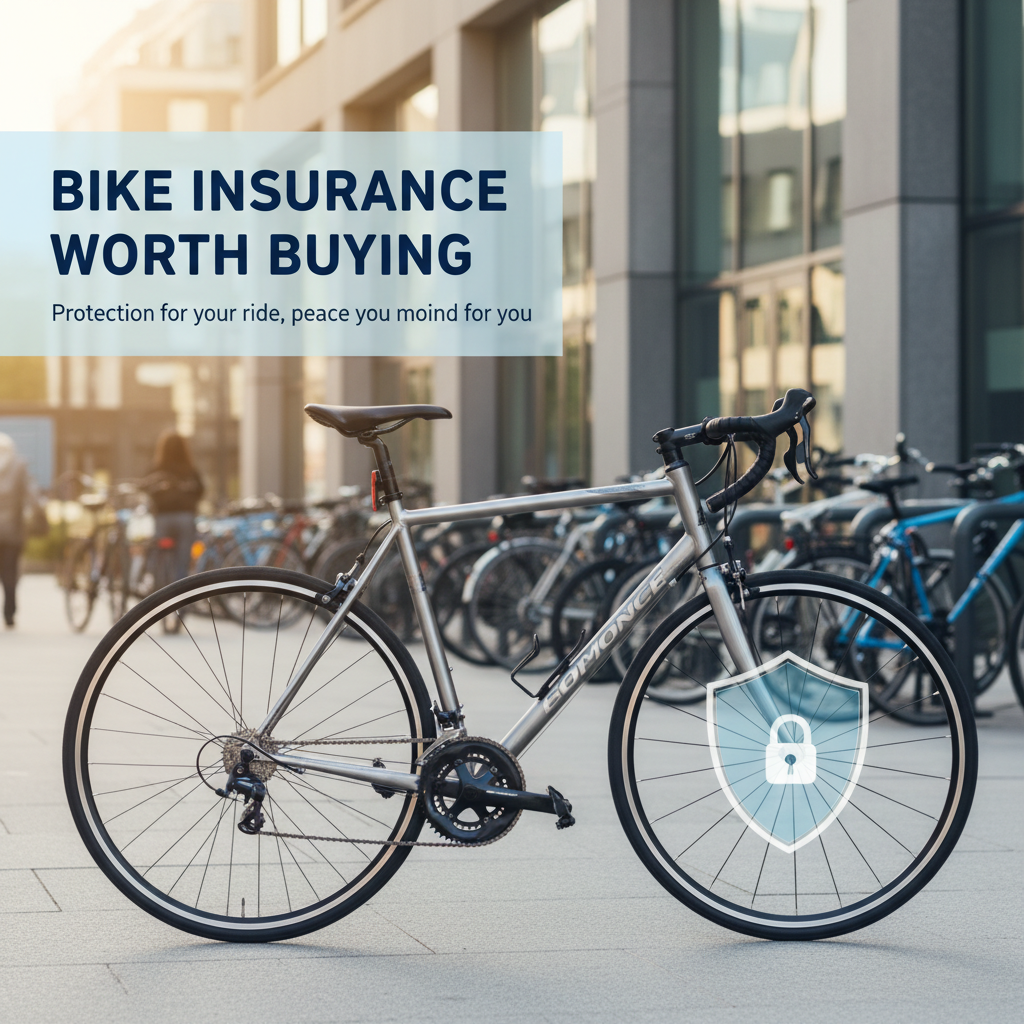
Why Regular Insurance Falls Short
Probably should have led with this section, honestly. Most homeowner’s or renter’s policies cap “personal property” claims, and expensive bikes often exceed those limits. A $3,000 bike might only get you $1,500 back after deductibles and depreciation calculations.
Some policies exclude bikes stolen from outside your home – so that coffee shop stop where your bike got taken? Not covered. And good luck making a claim without a police report that goes nowhere.
What Bike Insurance Actually Covers
Dedicated bike insurance typically covers theft, accidental damage, and sometimes liability if you injure someone while riding. Most policies work worldwide – useful if you travel to races or destinations.
The coverage is usually “new for old” or “agreed value” – meaning you get what you paid or an agreed amount, not some depreciated number an adjuster decided on.
Main Providers
Velosurance: One of the bigger names in the US. They cover theft, damage, and liability. Premiums run around 1-2% of your bike’s value annually. They cover racing and can handle expensive bikes.
Markel: Offers similar coverage through various cycling organizations. If you’re a USA Cycling member, you might have access to their policies. They’re known for straightforward claims.
Spoke: Newer option with a modern approach. App-based claims, covers bikes of various values. Their monthly premiums can work well for people who don’t want annual commitments.
Simple Bike Insurance: British company that covers internationally. Good for travelers and expats. Higher coverage limits for expensive bikes.
What to Look For
Check the deductible. Some policies have low monthly premiums but high deductibles that make small claims pointless.
Read the theft requirements. Some policies require specific lock types or storage conditions. Violate those terms and your claim gets denied.
Understand the damage coverage. Does it cover crashes during training rides? What about damage from a car rack failure? Does it cover components separately?
Look at liability limits. If you hit a pedestrian and get sued, what’s covered?
Is It Worth It?
For an inexpensive bike under $1,000, probably not. The premiums over a few years approach the bike’s value. Self-insure by setting aside money instead.
For bikes over $2,000-3,000, especially if you ride in higher-theft areas or travel frequently, insurance starts making financial sense. The peace of mind of knowing a stolen or crashed bike gets replaced matters.
For very expensive bikes – $5,000 and up – insurance is almost necessary. One bad crash or successful thief wipes out a significant financial investment.
My Setup
That’s what makes bike insurance endearing to us cyclists who’ve learned the hard way. I insure my road bike through Velosurance. About $150 annually for a bike worth around $5,000. Covers theft from my car or while I’m at a coffee stop, covers damage from crashes, and includes liability in case I somehow cause an accident.
My beater commuter bike isn’t insured. If it gets stolen, I’ll buy another used bike. Not worth the premiums for something replaceable at that price point.
Calculate the risk based on where you live, where you ride, and how much your bike is worth. If losing the bike would genuinely hurt financially, insure it. If you can absorb the loss, you might not need to.




Subscribe for Updates
Get the latest articles delivered to your inbox.
We respect your privacy. Unsubscribe anytime.