Hybrid Bikes: The Bike That Does Everything Okay
Hybrid bike comparisons have gotten complicated with all the sub-categories and feature lists flying around. As someone who owns a road bike, a mountain bike, and a hybrid, I learned everything there is to know about why the hybrid actually gets the most use.
Guess which one I ride most? The hybrid. It’s not the fastest or most capable, but it handles everything I throw at it without drama.
What Hybrids Actually Are
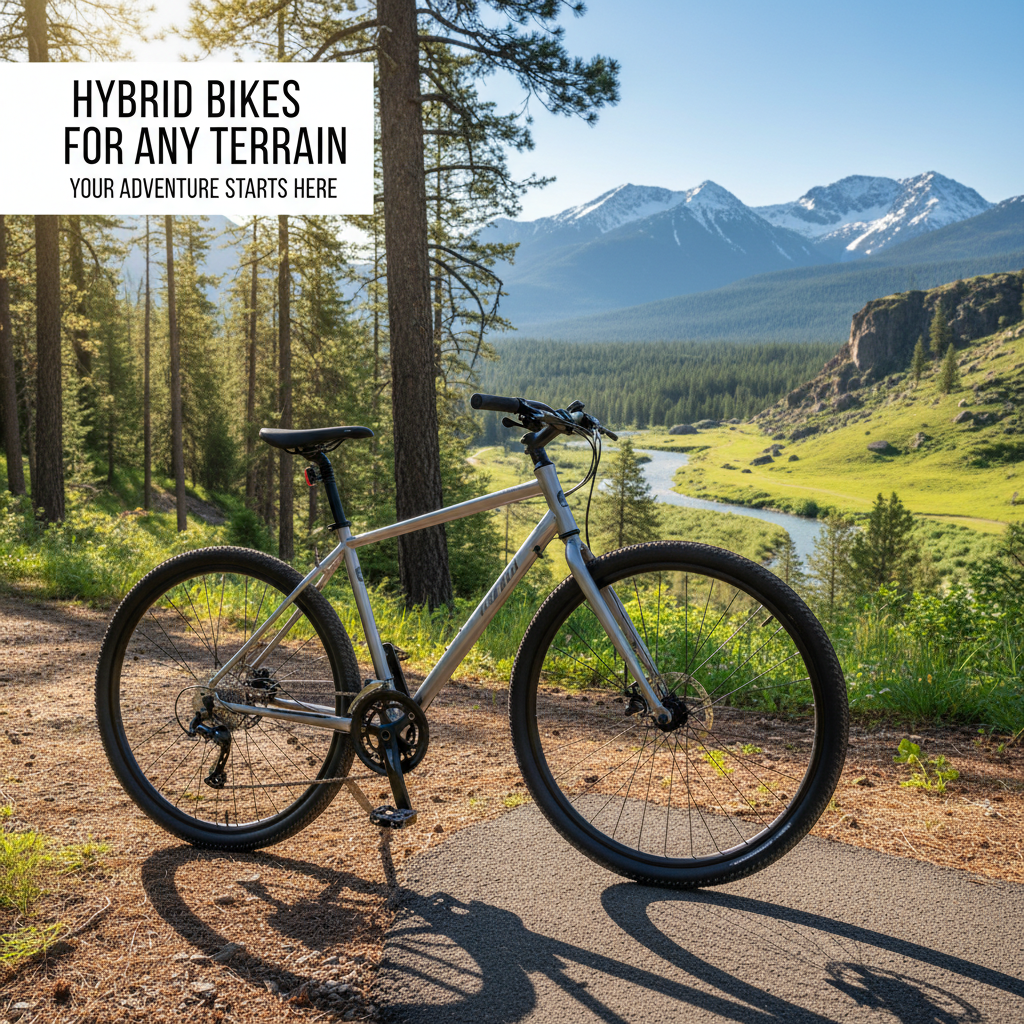
Probably should have led with this section, honestly. A hybrid combines elements of road bikes and mountain bikes. You get the upright seating position and flat handlebars of a mountain bike with the faster-rolling wheels of a road bike.
The result is comfortable enough for longer rides, efficient enough for commuting, and capable enough for light trails. Not perfect at anything, good enough at most things.
Who Should Buy One
Commuters. The upright position lets you see traffic. Wider tires handle potholes. Mounting points accommodate racks and fenders for carrying stuff.
Casual fitness riders. If you want exercise without the aggressive position of a road bike or the complexity of a mountain bike, hybrids make sense.
People who don’t know what they want yet. A hybrid lets you explore cycling without committing to a specialty. Ride it for a year and you’ll know if you want to go faster (road bike) or more technical (mountain bike).
What to Actually Look For
Tires: Wider is more comfortable and handles more terrain. 35-40mm is a good sweet spot. Narrower rolls faster on pavement but feels harsh.
Gearing: If you have hills, you want enough gears to climb without dying. Most hybrids have adequate range. Don’t overthink this.
Brakes: Disc brakes work better in rain and require less maintenance. Rim brakes are cheaper and easier to service yourself. Both work fine.
Weight: Lighter is better but expensive. A 25-30 pound hybrid is normal. Below 25 costs more. Above 30 feels sluggish.
Skip the Suspension
Many hybrids come with front suspension forks. Unless you’re riding actual rough trails, skip it. Suspension adds weight, requires maintenance, and bounces under hard pedaling.
For paved roads and bike paths, wider tires at lower pressure absorb bumps better than cheap suspension forks anyway.
Brands That Get It Right
Trek FX: The baseline hybrid everyone compares to. Light aluminum frame, good components, rides well. The FX 3 is the sweet spot in their lineup.
Giant Escape: Similar to Trek but often slightly cheaper for equivalent specs. Giant owns their factories so they can undercut.
Specialized Sirrus: More fitness-focused, slightly more aggressive geometry. Faster feeling than other hybrids.
Cannondale Quick: Good components, decent value. Their frames are well-designed.
The Hybrid Limitation
That’s what makes hybrids endearing to us practical riders who’ve figured out their value. Eventually you might outgrow it. Hybrids aren’t fast enough for group road rides. They can’t handle serious mountain bike trails. The flat bars limit your hand positions on long rides.
That’s fine. Use the hybrid until you know what kind of riding you actually want to do more of. Then get a specialized bike for that and keep the hybrid for everything else. My hybrid is 8 years old. Still my go-to for errands, easy rides, and introducing friends to cycling. That’s the point.




Subscribe for Updates
Get the latest articles delivered to your inbox.
We respect your privacy. Unsubscribe anytime.