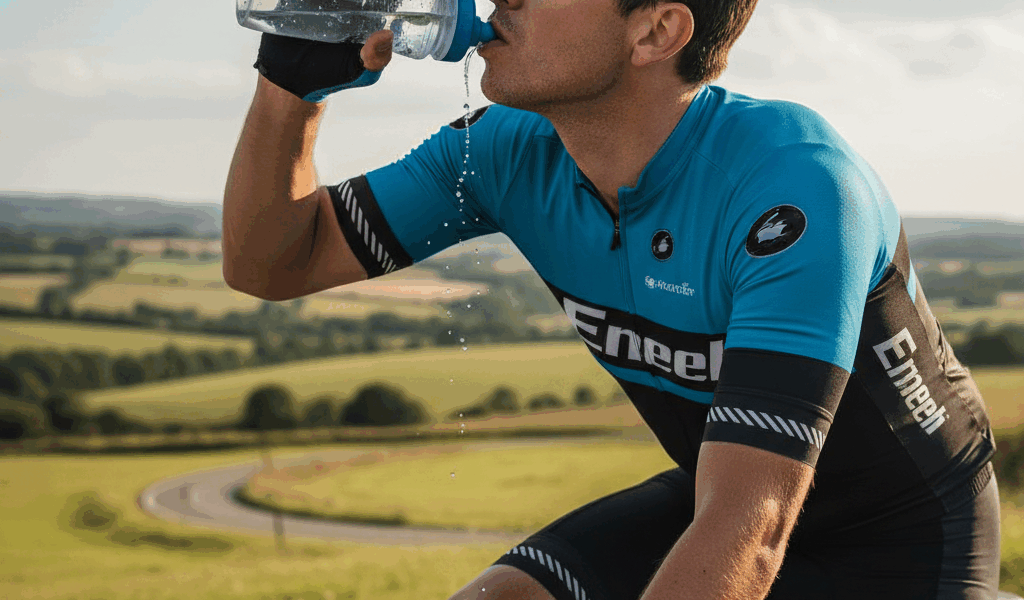
Cycling hydration has gotten complicated with all the “drink when you’re thirsty” versus “drink constantly” conflicting advice flying around. As someone who’s spent years studying sports nutrition and the specific physiology of endurance cycling, I’ve learned everything there is to know about what actually works on a long ride — and what the most common mistakes are. Today, I’ll share it all with you.
Most cyclists know they should drink during a long ride. Fewer follow through on it effectively. The research on hydration and cycling performance is clear enough that the rules are fairly simple — but the application requires understanding what’s actually happening physiologically, because the common mistakes in cycling hydration aren’t random. They’re predictable, and they’re correctable.
Rule One: Start Hydrated, Not Thirsty
Thirst is a lagging indicator of dehydration. By the time you feel thirsty during exercise, you’ve already lost approximately 1-2% of your body weight in fluid — a deficit that measurably impairs physical and cognitive performance. At 2% dehydration, VO2 max decreases and perceived effort for the same output increases. That’s what makes pre-ride hydration endearing to us who study exercise physiology — the investment you make the day before shows up in your performance the next morning.
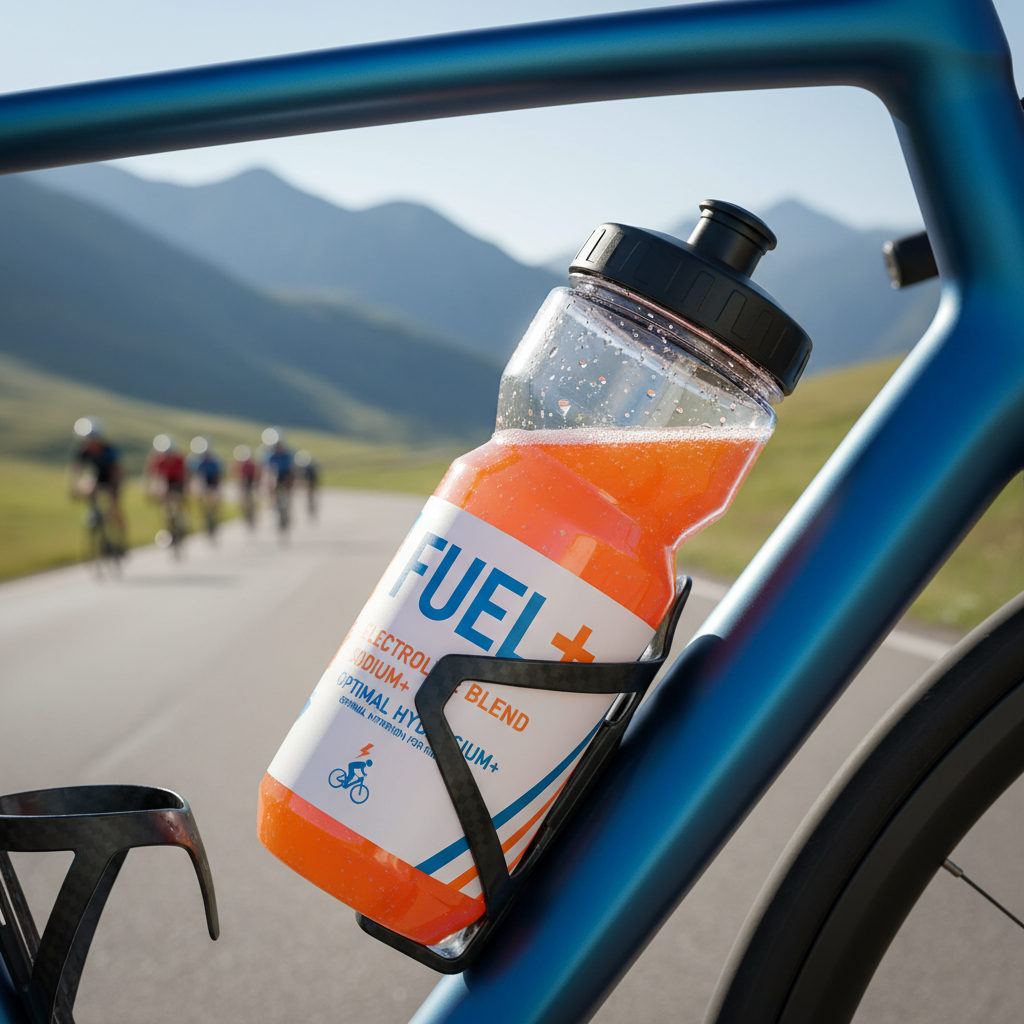
The implication: you should arrive at your long ride fully hydrated. This means consuming adequate fluids in the 24 hours before the ride, not just the hour before. Urine color is the simplest monitoring tool — pale yellow indicates adequate hydration, dark yellow or amber indicates deficit. Some cyclists make the mistake of drinking large amounts in the hour before a ride to “catch up,” which can cause GI discomfort during the ride without actually correcting a deficit that developed over days.
Pre-ride hydration strategy: 16-24 oz of fluid in the two to three hours before a long ride, with a smaller amount (8 oz) in the 15-20 minutes before starting. If you’re riding in heat or high humidity, skew toward the higher end of these ranges.
Rule Two: Drink on a Schedule, Not on Thirst
Probably should have led with this as the most actionable advice: set a drinking schedule and follow it regardless of whether you feel thirsty. A practical approach is drinking 16-24 oz per hour on rides under two hours in moderate conditions, and 20-28 oz per hour on longer rides or in heat. These numbers adjust based on your body size, temperature, and sweat rate — but they give you a starting point that prevents the accumulation of a dehydration deficit.
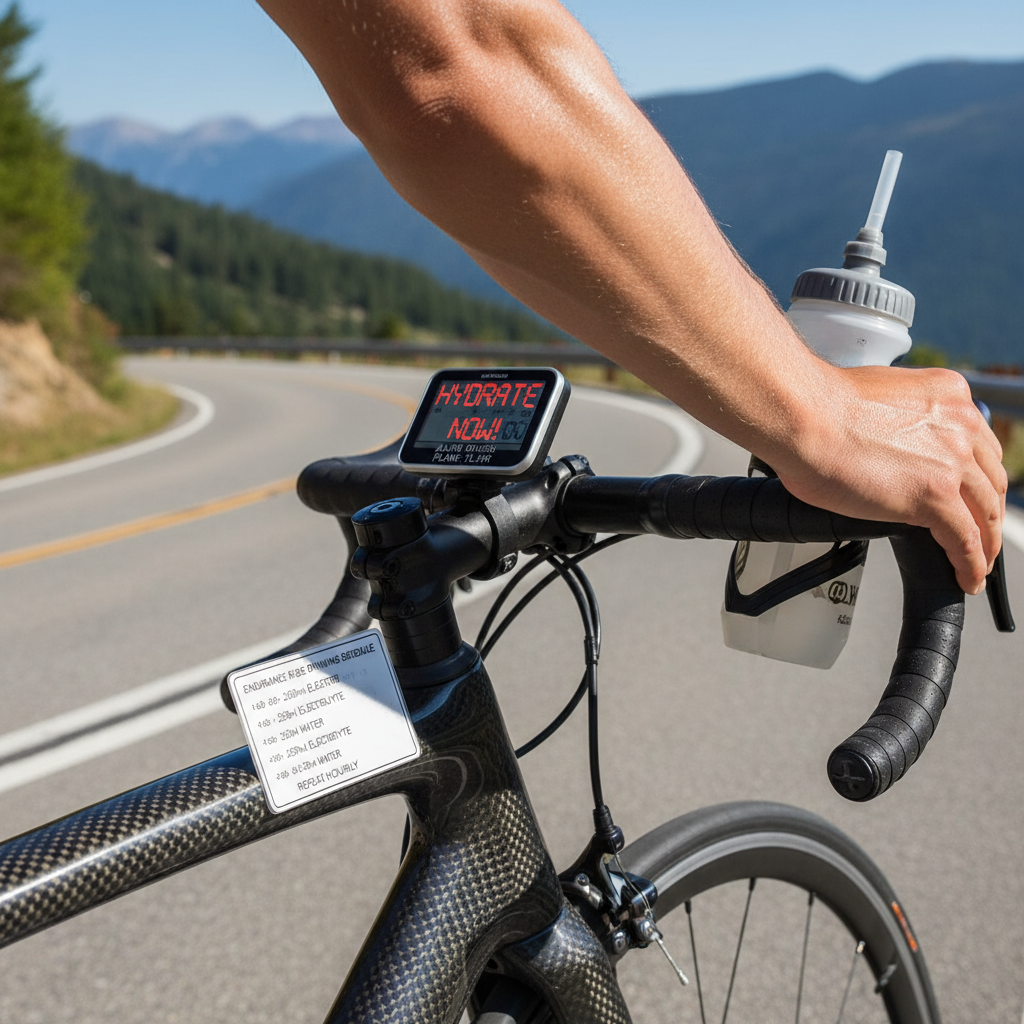
Many cyclists find that setting a recurring alarm on their cycling computer or watch every 15-20 minutes is the most reliable way to follow through. I’m apparently one of those riders who found this slightly annoying at first and then discovered it was the single change that most improved how I felt at the end of long rides. Drinking small amounts frequently is more effective physiologically than drinking large amounts infrequently — your gut can absorb about 16-20 oz per hour regardless of intake timing, so drinking more than that in a single large gulp doesn’t speed up absorption.
Rule Three: Electrolytes Matter More Than You Think on Long Rides
Water replaces volume. Electrolytes — primarily sodium, but also potassium, magnesium, and chloride — replace what sweat actually contains. On rides under 90 minutes in moderate conditions, plain water is generally adequate. Beyond 90 minutes, particularly in heat or humidity, electrolyte replacement becomes important for two reasons.
First, hyponatremia: drinking large volumes of plain water during extended exercise without adequate sodium replacement can actually dilute blood sodium levels, causing a condition that produces symptoms — fatigue, nausea, confusion — that mimic dehydration but are caused by over-hydration without electrolyte balance. This is more common in endurance athletes than it used to be, partly because awareness of hydration led people to drink more without understanding the electrolyte component. Frustrated by the confusion, I spent time understanding the underlying biochemistry — and it genuinely changed how I approach long rides.
Second, cramps and muscle function: sodium and potassium play direct roles in muscle contraction and nerve signal transmission. Electrolyte depletion impairs the efficiency of muscle function in ways that accumulate over long efforts. The practical solution: for rides over two hours, use an electrolyte drink or supplement. Dedicated electrolyte products like Nuun, Precision Hydration, or SiS Go Electrolyte provide measured electrolyte replacement.
Putting It Together for Your Next Long Ride
A simple system that works: fill two bottles — one plain water, one electrolyte drink — for any ride over 60 miles. Alternate between them, drinking every 15-20 minutes. Start the ride fully hydrated by drinking normally the day before and having a proper pre-ride fluid intake. If you’re riding in heat above 85°F or high humidity, add a third bottle or plan your route around refill points.
Track how you feel at the end of long rides versus how you’ve hydrated during them. Cyclists who follow these rules consistently report that the last hour of a long ride feels significantly different — less degraded, less mentally foggy — than when they rode by thirst alone. You’re supplying the inputs your body needs to sustain output rather than grinding through accumulating deficit. That’s not complicated, but it makes a measurable difference in every ride over an hour.



Subscribe for Updates
Get the latest articles delivered to your inbox.
We respect your privacy. Unsubscribe anytime.