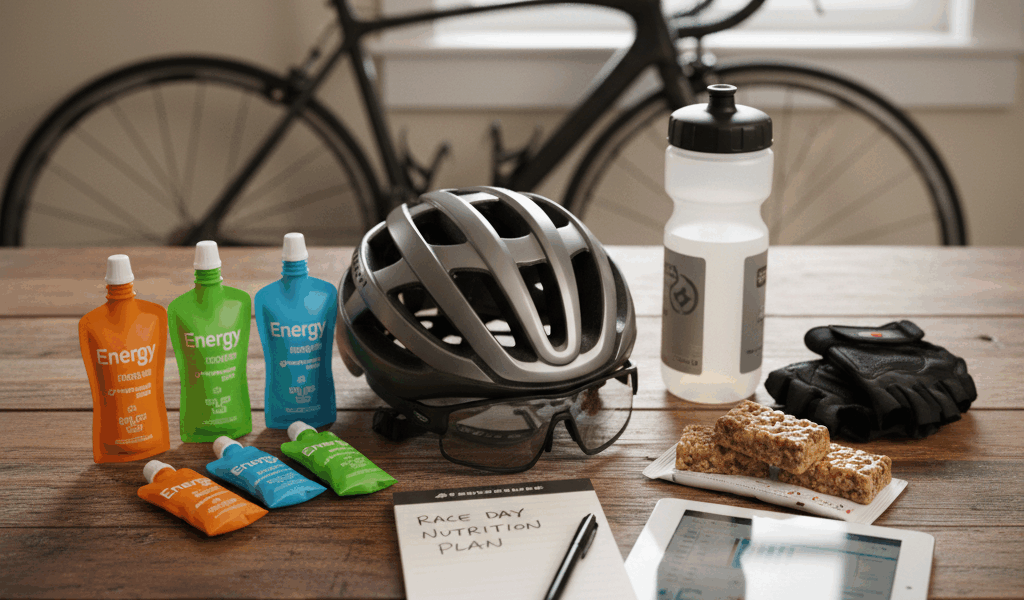
The Complete Guide to Race Day Nutrition
Race day nutrition has gotten complicated with all the strategies flying around these days. As someone who has raced everything from local criteriums to multi-day stage races and blown up spectacularly from fueling mistakes, I learned everything there is to know about what actually works when it counts. Today, I will share it all with you.
That’s what makes race nutrition endearing to us competitive types — it’s controllable. You can’t control your competitors, the weather, or mechanicals. You can control what you put in your body and when.
The Night Before
Forget the massive pasta dinner. This is probably the most persistent myth in cycling. Your glycogen stores take 24-48 hours to fully top off, so cramming food the night before mostly makes you bloated and uncomfortable at the start line.
Eat a normal-sized dinner with familiar foods. Include carbs — rice, potatoes, or yes, pasta — but don’t overdo it. Moderate protein. Avoid high-fiber foods, spicy dishes, and anything you haven’t eaten before a ride previously.
Race Morning
Probably should have led with this section, honestly. Timing matters more than what you eat. Get your pre-race meal in 3-4 hours before the start. This gives your body time to digest without leaving food sitting in your stomach when you start suffering.
Aim for 2-4 grams of carbohydrates per kilogram of body weight. For a 70kg rider, that’s 140-280 grams of carbs. Oatmeal with banana works. Toast with jam and peanut butter works. Rice cakes with honey work. Pick what you’ve tested in training.
In the last hour before start, a gel 15-20 minutes out with some water tops off blood glucose. Don’t eat anything heavy or fibrous at this point.
During the Race
Your strategy depends on race duration. Criteriums under an hour might only need water and maybe one gel near the end. Road races lasting 3-5 hours require consistent fueling throughout or you will blow up.
Start fueling early. By the time you feel hungry, you’re already behind. Begin taking in carbs within the first 30-45 minutes. Set a timer on your bike computer if you forget.
Target 60-90 grams of carbohydrates per hour for intense efforts. To absorb this much, use products with multiple transportable carbohydrates — typically 2:1 glucose to fructose ratio. Single-source carb products max out around 60 grams per hour absorption.
Hydration Strategy
Drink before you’re thirsty, especially when it’s hot. Aim for 500-750ml per hour, adjusting based on temperature and how much you sweat. Include electrolytes, particularly sodium. Most of us lose 500-1500mg of sodium per liter of sweat. Sports drinks or electrolyte tabs replace what you’re losing.
The Final Push
For races with a decisive final hour, consider taking caffeine 45-60 minutes before things get hard. Caffeine gels typically contain 50-100mg. If you’re sensitive to caffeine, stick to the lower end or skip it. Test this in training first — race day is not the time to discover caffeine makes you jittery.
Post-Race Recovery
The 30-minute window after racing is when your muscles are most receptive to glycogen replenishment. Get in 1-1.2 grams of carbs per kilogram of body weight plus 20-25 grams of protein. Recovery drinks work if you can’t stomach solid food immediately. Follow up with a proper meal within 2 hours.
Common Mistakes I’ve Made So You Don’t Have To
Don’t try anything new on race day. Ever. That includes gels, bars, drinks, and timing strategies. Test everything in training. Don’t rely on race-provided nutrition unless you’ve used those exact products before. Don’t skip breakfast thinking lighter means faster. Don’t wait until you’re hungry or cramping to fuel. And definitely don’t make drastic dietary changes the week before an important event.
Creating Your Personal Plan
Write out your nutrition timeline before every race. When you’ll eat breakfast, what exactly you’ll consume, when you’ll take gels, how much fluid per hour. Having a plan removes decision-making when your brain is already suffering. Review what worked and what didn’t after each race. Your approach should evolve based on actual experience.




Subscribe for Updates
Get the latest articles delivered to your inbox.
We respect your privacy. Unsubscribe anytime.