
Why Fiber Is the Enemy Before Hard Rides
Pre-ride nutrition has gotten complicated with all the conflicting health advice flying around. As someone who ate a virtuous, fiber-rich dinner the night before a 90-mile gran fondo — black bean tacos with brown rice, salad, the whole routine — and paid for it by mile 50 with cramps, urgency, and a survival test instead of a great day, I learned everything there is to know about what your gut actually needs before hard efforts. Today, I’ll share the specific foods to cut, the timeline that matters, and how to stop sabotaging rides with dinner choices from the night before.
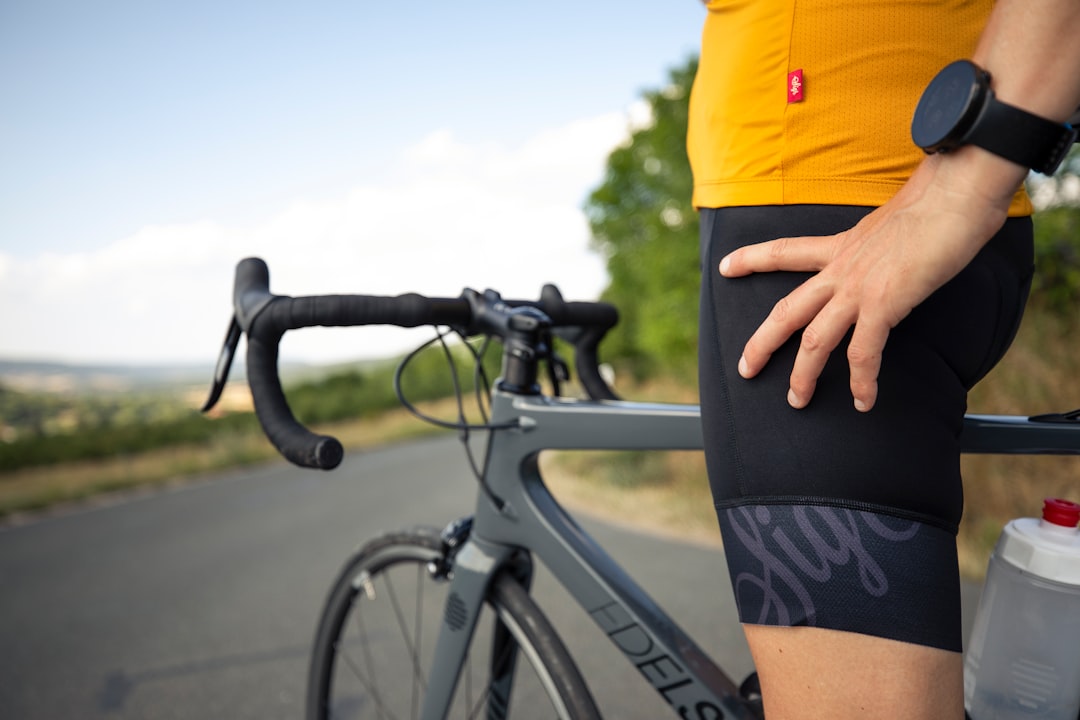
Nobody told me that dinner was still working through my system 18 hours later.
Fiber is healthy. It’s important for long-term gut health and general nutrition. But it has a specific and inconvenient job during digestion: it slows everything down. On a rest day or an easy walk, that’s exactly what you want. Before a four-hour hard ride, it’s the last thing you need.
What Fiber Does to Gastric Emptying
Fiber doesn’t get digested in the small intestine — it passes into the large intestine and gets fermented by gut bacteria. That fermentation process produces gas. When you’re sitting at a desk, that gas moves through without much incident. When you’re bent over a bike at threshold pace with your core under constant tension, that gas has nowhere easy to go. You feel it as bloating, cramping, and urgency.
Beyond the gas issue, fiber slows the entire process of gastric emptying — the rate at which food moves from your stomach into the small intestine. Slower gastric emptying means food is sitting in your stomach longer. At high exercise intensity, blood flow to the gut drops significantly, and any food still waiting to be processed becomes a problem. The digestive process slows or stalls, causing nausea, heaviness, and cramping.
This is why the advice to “just eat a lighter meal the night before” often misses the point. A light meal that’s still high in fiber — a big salad, lentil soup, whole grain bread — can still cause problems the next day.
Why 24 Hours Matters
Probably should have led with this section, honestly. High-fiber foods take significantly longer than lower-fiber options to move through your system. Depending on what you ate and your individual gut transit time, the effects of a fiber-heavy meal can linger 18 to 24 hours or more. That’s why the rule isn’t just about the meal before your ride — it’s about the meal before the meal before your ride.
For a Saturday morning race or long group ride, that means Friday dinner is just as important as Saturday breakfast. If Friday dinner is a lentil bowl with roasted Brussels sprouts, you’re setting yourself up for problems regardless of how clean you eat Saturday morning.
Race week — the full week leading up to a target event — is when many experienced cyclists start making deliberate reductions in overall fiber intake. Not eliminating it entirely in the early days, but progressively shifting toward lower-fiber versions of their normal foods.
Foods to Avoid in the 24-Hour Window
These are the main offenders to remove from your eating in the day before a hard effort:
Legumes — Beans, lentils, chickpeas, and peas are some of the highest-fiber foods you can eat. They also produce significant gas during fermentation. Avoid them starting the day before.
Cruciferous vegetables — Broccoli, cauliflower, Brussels sprouts, cabbage, and kale are notorious for gas production even in people with no gut sensitivity issues. Great for recovery days, terrible the night before a race.
Whole grains — Brown rice, whole wheat bread, oats, quinoa, barley. These are nutritional staples that belong in your regular diet but not in your pre-event meals. Switch to white versions.
High-fiber fruits — Apples, pears, berries, and mangoes have significant fiber. Fine on easy days, avoid the day before hard efforts.
Raw vegetables — A big salad the night before a race is a common mistake. Cooked vegetables break down more thoroughly and move faster than raw ones.
What to Eat Instead
The goal is easily digestible carbohydrates that move through your system quickly and give your muscles the glycogen they need without creating a backlog in your gut.
White rice — The gold standard. Low fiber, high starch, easy to digest. Top with salt and olive oil, or add a small amount of lean protein.
White bread and pasta — The refined grain versions that most nutritionists would discourage daily are exactly right before hard rides. White pasta with simple tomato sauce is a classic pre-race dinner for good reason.
Potatoes — Boiled or baked white or yellow potatoes are easy on the stomach. Avoid the skins if you’re very sensitive, and skip the high-fat toppings.
Bananas — Lower fiber than most fruits, well-tolerated by most cyclists, and a solid source of quick carbohydrates and potassium.
Plain rice cakes — Nothing in them to cause problems. Stack them with jam, honey, or a small amount of nut butter.
Training Days vs. Race Week
That’s what makes this 24-hour rule endearing to us riders who’ve figured it out the hard way — it doesn’t ask you to change your whole diet, just to time things right. This protocol is not meant to be your permanent diet. Fiber matters for gut health, immune function, and long-term wellbeing. You need it regularly.
On easy training days and rest days, eat your vegetables, whole grains, and legumes. Feed your gut bacteria. Build the foundation.
On hard training days — interval sessions, long rides, group rides where you’ll be pushing — apply the same 24-hour rule you would before a race. Your gut doesn’t know the difference between a training day and a race day. It just knows what you put in it.
The week before a target race, start pulling back on fiber progressively from Monday onward, leaning more heavily on white rice, white pasta, and potatoes. By the night before, you should be eating a simple, low-fiber, carbohydrate-rich meal that you’ve practiced before. Race week is not the time to experiment.



Subscribe for Updates
Get the latest articles delivered to your inbox.
We respect your privacy. Unsubscribe anytime.