
Stop Paying $2 a Tablet for Electrolytes You Can Make for Pennies
Electrolyte tabs have gotten complicated with all the marketing claims flying around — special mineral blends, proprietary formulations, fizzing discs with “advanced absorption” at $8 a tube. As someone who spent an embarrassing amount of money on those little cylinders before actually reading the labels and comparing them to what I already had in my kitchen, I learned everything there is to know about what your body actually loses in sweat and what replaces it. Today, I’ll share why a pinch of table salt outperforms most of what you’ll find at a running store — and exactly how much to add.
I’ve spent more money on electrolyte tablets than I want to calculate. Little fizzing discs in a plastic tube, $8 to $12 per tube, gone in two weeks during a hard training block. At some point I started actually looking at what’s in them and comparing that to what I was spending. The gap between the cost of the active ingredients and the retail price is remarkable.
What You Actually Lose in Sweat
Sweat is not just water. The main electrolytes lost during cycling are:
- Sodium — by far the largest loss. Sweat is primarily a sodium chloride solution. Heavy sweaters can lose 1,000 to 2,000mg of sodium per hour in hot conditions.
- Chloride — comes along with sodium, so it’s addressed by the same solution
- Potassium — lost in smaller amounts than sodium, around 150 to 300mg per hour
- Magnesium — minimal sweat losses, but deficiency from chronic inadequate intake can cause cramping
- Calcium — trace losses through sweat
Sodium is the critical one. It’s not even close. The reason commercial electrolyte products work is primarily because of sodium content. Everything else is largely marketing.
The Pinch of Salt Solution
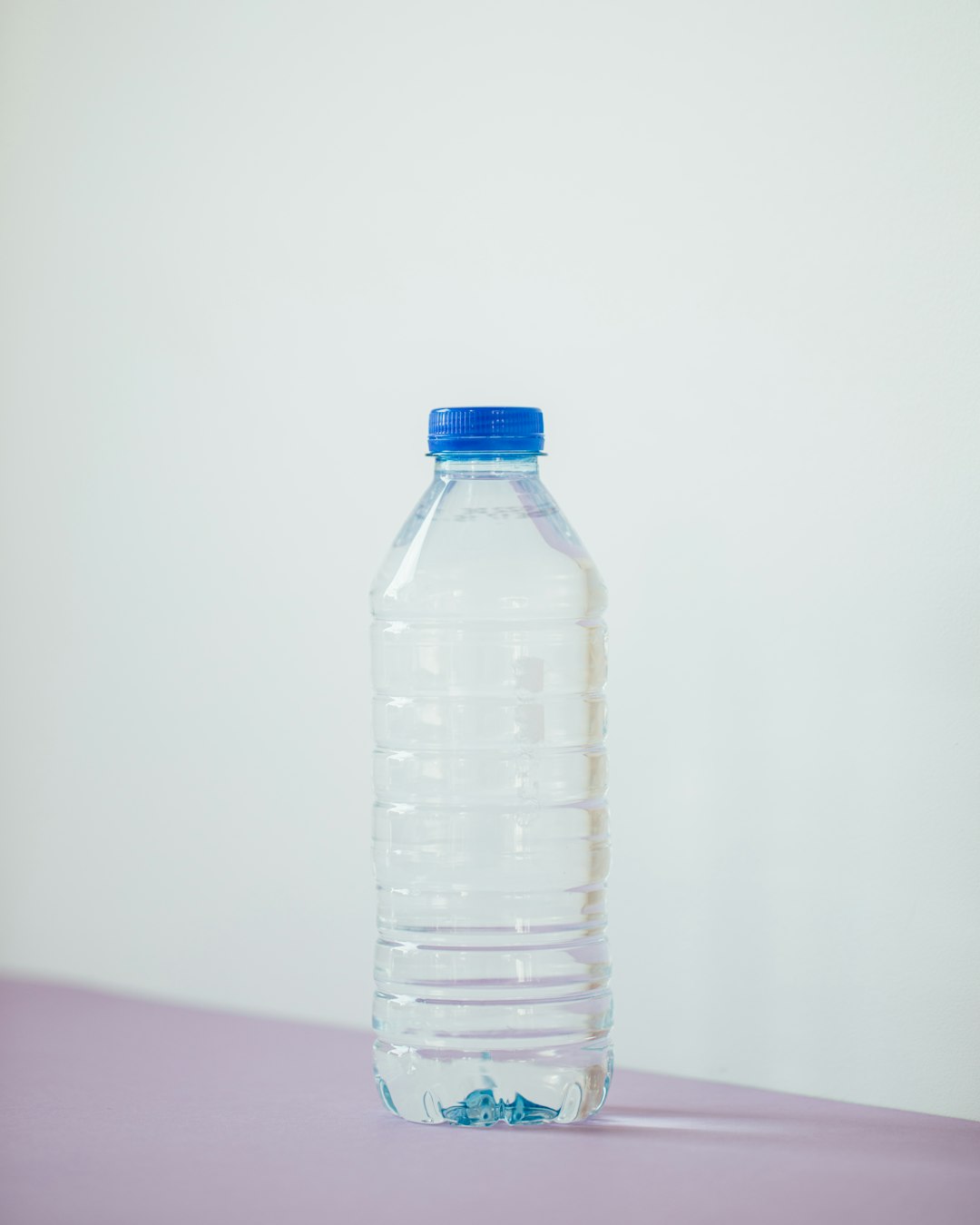
A pinch of table salt — roughly 1/8 teaspoon — added to a 750ml water bottle provides approximately 300mg of sodium and 180mg of chloride. That’s a meaningful dose of the electrolyte you actually need most, and it costs essentially nothing.
Use iodized table salt. Sea salt works fine too. The fancy mineral salts (pink Himalayan, etc.) will also work but you’re paying for marketing, not performance benefits. The sodium content is similar across all of them.
How much to add depends on your sweat rate and conditions:
- Easy rides under 90 minutes in moderate temps: Water alone is usually sufficient
- Moderate rides 1.5 to 3 hours: One pinch per bottle (300mg sodium)
- Long rides in heat or high intensity: Up to 1/4 teaspoon per bottle (600mg sodium)
- Heavy sweaters with visible salt crust on skin after rides: Toward the higher end consistently
A small pinch won’t make your water taste salty in an unpleasant way. It actually makes plain water taste slightly better and more thirst-quenching. Go above 1/4 teaspoon and you’ll start noticing it.
Adding Potassium
Probably should have led with this section, honestly. If you want to go beyond sodium, Lite Salt (or any sodium/potassium chloride blend sold as a salt substitute) lets you add both electrolytes simultaneously. These products are typically 50% sodium chloride and 50% potassium chloride, available at any grocery store for a few dollars.
A 1/8 teaspoon of Lite Salt in your bottle provides roughly 150mg sodium and 300mg potassium. On long summer rides I use a blend of regular salt and Lite Salt — heavier on the regular salt since sodium is the dominant loss, with a smaller amount of Lite Salt for the potassium contribution.
Making It Palatable
Salted water is functional. Salted lemon water is actually good. A squeeze of fresh lemon or a small amount of pure lemon juice adds flavor and a trace amount of potassium and citric acid. It makes the drink more appealing and increases the likelihood you’ll actually drink it consistently, which matters more than any ingredient optimization.
Some riders add a small amount of coconut water for flavor and natural potassium content. Just watch the calorie count if you’re on a weight-managed training block — coconut water isn’t calorie-free.
When to Use Commercial Electrolytes Instead
Commercial tablets aren’t worthless. Here’s when they earn their price:
- Racing: Not the time to experiment with DIY solutions. Race with what you train with.
- Travel: Electrolyte tablets are convenient when you don’t have kitchen access
- Exact sodium dosing: Commercial products specify their sodium content precisely. If you’re using a precise fueling strategy by milligrams, the consistency is valuable.
- Combined electrolyte/carbohydrate drinks: Some commercial products combine electrolytes with carbs in a convenient format that’s genuinely useful for certain efforts
For everyday training, the DIY approach is entirely adequate and substantially cheaper. That’s what makes the salt-in-a-bottle method endearing to us cyclists who’ve done the math — you’re getting the same functional outcome as a $1-per-tab product for literally nothing, from something that’s been in your kitchen the whole time.
Signs You’re Low on Electrolytes
Electrolyte depletion during a ride presents as:
- Muscle cramping, particularly in the legs and feet
- Nausea or a vaguely sick feeling despite adequate hydration
- Headache that water alone doesn’t resolve
- Feeling worse after drinking a lot of plain water (dilution of sodium)
- Excessive thirst that water doesn’t satisfy
The last point is important. Hyponatremia — low blood sodium — is a real risk for endurance athletes who drink large volumes of plain water. Drinking water without replacing sodium actually dilutes blood sodium concentration. If you’re drinking a lot and still feeling off, adding salt to your next bottle rather than more plain water is often the correct response.
The Annual Cost Comparison
Training 10 hours per week through a six-month season, using roughly one electrolyte product per 90-minute ride, a commercial tablet habit runs $200 to $400 per year. A container of table salt and a container of Lite Salt together costs under $5 and lasts the entire season.
The performance outcome on training rides is indistinguishable. Save the premium products for racing, budget appropriately for training. Your legs won’t know the difference.



Subscribe for Updates
Get the latest articles delivered to your inbox.
We respect your privacy. Unsubscribe anytime.