
Maple Syrup Is My Favorite Cycling Fuel and I’m Not Apologetic About It
Cycling fuel has gotten complicated with all the engineered product marketing flying around — dual-carb formulations, proprietary maltodextrin ratios, “optimized” flavoring systems at $3 a packet. As someone who stumbled onto an older and simpler solution from a guy on a gravel ride who definitely looked like he knew what he was doing, I learned everything there is to know about maple syrup as a legitimate cycling fuel. Today, I’ll share the nutrition case, the logistics, and why this might be the smartest thing in your kitchen that you’ve been using exclusively on pancakes.
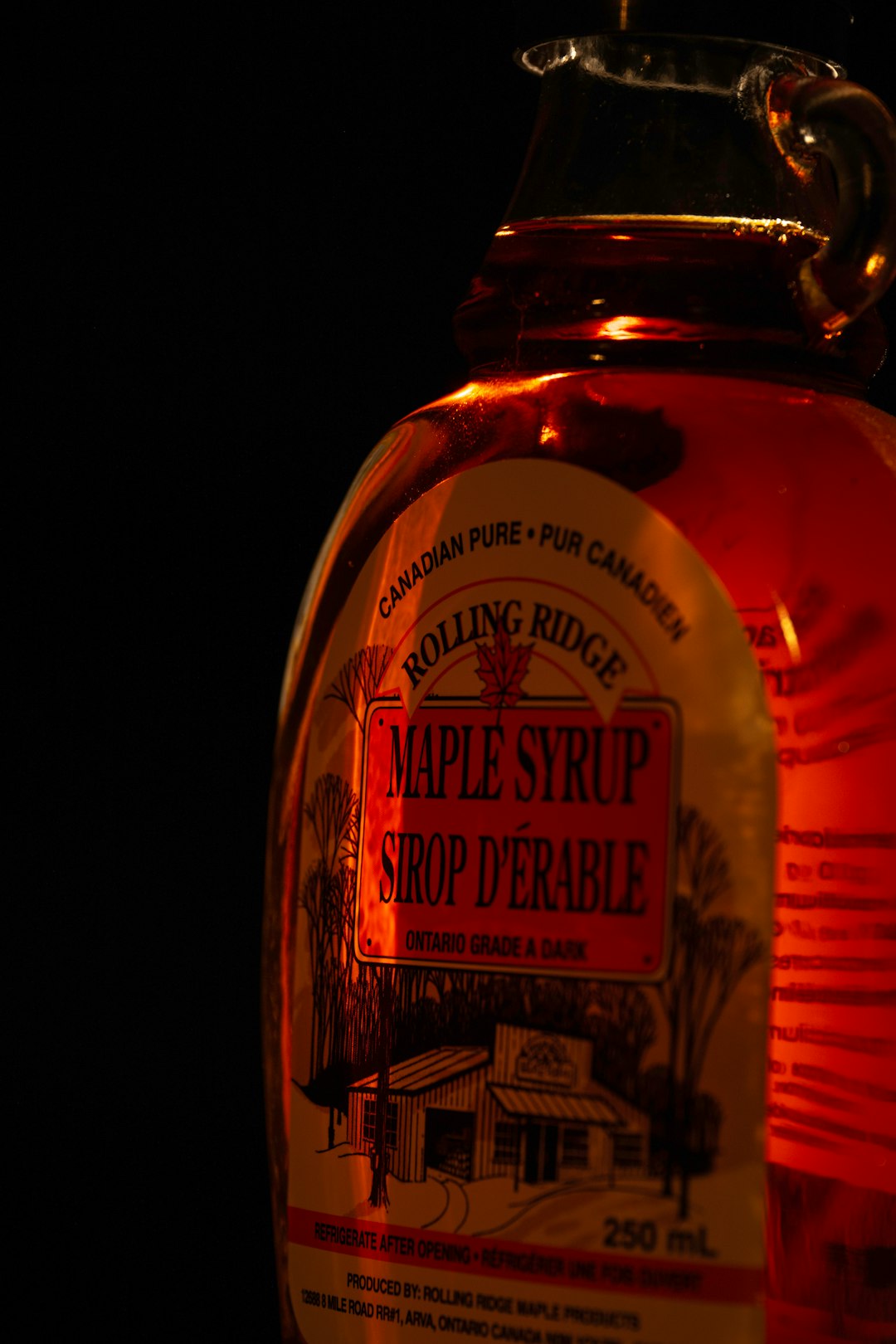
About three years ago I did a long gravel ride with a guy who pulled out a small hip flask at mile 50 and took a pull from it. I assumed it was whiskey. It was maple syrup. He explained it matter-of-factly, offered me some, and I filed it away as eccentric behavior. Then I started looking into the actual nutrition and realized he was onto something that’s been hiding in plain sight on every breakfast table in North America.
The Nutritional Case
Maple syrup is primarily sucrose, which your body splits into glucose and fructose — exactly the carbohydrate combination that sports nutrition research shows works best for cycling performance. Commercial gels are engineered to deliver this combination. Most of them use maltodextrin (chains of glucose) combined with fructose in a ratio of roughly 2:1. Maple syrup delivers a similar split naturally.
The numbers: one tablespoon of pure maple syrup contains approximately 13 grams of carbohydrate and 52 calories. Two tablespoons — a reasonable single serving — delivers 26 grams of carbs and 104 calories. A standard commercial gel is 20 to 25 grams of carbs and 90 to 110 calories. The equivalence is close enough that dosing works on the same schedule.
There’s also a manganese and zinc content in real maple syrup that gels don’t offer, though the amounts are small enough that it’s not a significant performance factor. More meaningfully, there are no maltodextrin chains that occasionally cause GI distress for some riders, no artificial flavors, no long list of additives. It’s boiled tree sap. That’s genuinely it.
How to Carry It
This is where the practical work comes in, because maple syrup in an open container in a jersey pocket is obviously not a solution. Options that actually work:
Dedicated gel flasks: Small 100ml soft flasks designed for gels work perfectly for maple syrup. Fill them at home, cap them, and they slip into a jersey pocket without leaking. Label them with a marker so you know which flask has what.
Old gel packaging: Some gel brands sell reusable gel flasks. Any of these work. Many riders keep a rotation of washed-out gel packaging refilled with maple syrup.
Small hip flask: For longer rides where you’re carrying more food anyway, a small soft flask in a hip pack works well. You can carry a larger quantity and sip from it periodically rather than managing individual doses.
Do not try to tape a bag of maple syrup to your bike or anything creative. The flask approach is genuinely easy once you have the containers.
Practical Advantages
Probably should have led with this section, honestly. Cost is the obvious one. A liter of grade A maple syrup from a wholesale store or ordered online in quantity runs $15 to $25. One liter contains roughly 40 servings at two tablespoons each. A box of 24 commercial gels at $2.50 each is $60. The math is one-sided.
Availability is the other big advantage. Maple syrup is in every grocery store and every gas station convenience section. If you’re on a multi-day trip and run out of gels, replacement is trivial. Gels sometimes require a specific running store or ordering online.
It also doesn’t expire quickly. Unopened maple syrup lasts years. Gels have a 1 to 2 year shelf life and the older ones taste noticeably degraded.
Disadvantages Worth Acknowledging
Mess potential: Maple syrup that gets on your hands, bar tape, or jersey becomes sticky in a way that’s more annoying than gel residue. The gel flask system mitigates this, but a leaking flask is a worse experience than a leaking gel packet.
No added electrolytes: Commercial gels often include 100 to 200mg of sodium per serving. Maple syrup has essentially no sodium. If you’re using it as a primary fuel, you need to account for electrolyte replacement separately — either through food, DIY electrolyte water, or commercial electrolyte tabs.
Temperature behavior: Maple syrup gets thicker in cold conditions and thinner in heat. In winter riding it can be harder to squeeze from a flask. In extreme heat it flows very easily, which means more careful packaging.
Pre-race logistics: On race day I still use commercial gels. Familiar packaging, precise dosing printed on the wrapper, less to think about. Maple syrup is a training fuel primarily.
Best Use Cases
That’s what makes the maple syrup approach endearing to us cyclists who’ve made the switch — it performs identically to a gel on a long training ride, comes from an ingredient you can buy anywhere, and costs a fraction of what you’re paying for foil packets. Long training rides where you’re carrying food anyway and the flask fits logistically. Century rides and sportives where you have pockets and can be relaxed about fueling logistics. Any ride where you’re away from specialized sports nutrition retailers.
Where to Buy for Best Value
Costco and Sam’s Club sell maple syrup in large quantities at good prices — typically 1 liter for under $15. Online bulk purchasing can be even cheaper per unit. Grade A or the darker “Grade A Dark” both work fine. The darker grades have a stronger flavor and slightly more minerals but the carbohydrate content is essentially the same.
Try it on your next long training day. Fill one small flask, treat it like a gel, use it at the same timing you’d use a gel. The performance outcome will not surprise you. The cost savings might.



Subscribe for Updates
Get the latest articles delivered to your inbox.
We respect your privacy. Unsubscribe anytime.