How to Fuel a Century Ride Without Bonking

How to Fuel a Century Ride Without Bonking

Completing 100 miles requires consuming 3000-5000 calories while managing digestion, hydration, and energy levels. Strategic fueling prevents the dreaded bonk while maintaining power output through the final miles.

Understanding Century Nutrition Needs

Your body stores enough glycogen for roughly 90 minutes of moderate cycling. A century takes 4-7 hours depending on pace, meaning you must consume external calories continuously. Aim for 60-90g carbohydrates per hour after the first hour.

Failing to meet calorie needs causes bonking – complete depletion of muscle and liver glycogen. You’ll know it when you hit: legs feel empty, brain gets foggy, and maintaining even easy pace becomes impossible. Prevention requires consistent fueling from mile 15 onward.

Pre-Ride Nutrition Strategy

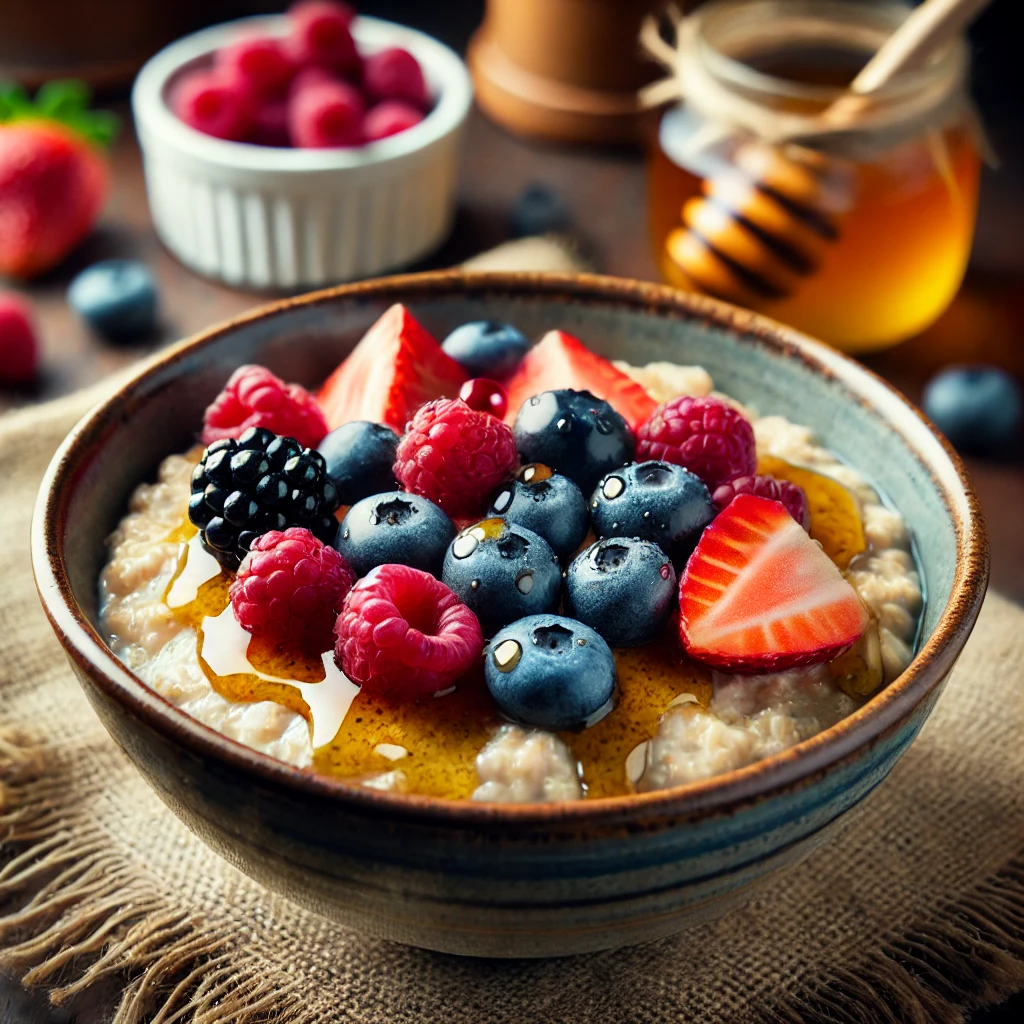
Eat a carb-heavy dinner the night before featuring pasta, rice, or potatoes. Add a bedtime snack to top off glycogen stores. Wake 2-3 hours before the start for substantial breakfast – oatmeal, toast with peanut butter, banana, and orange juice provides 80-100g carbs.

If you can’t eat early, consume lighter fare 60 minutes before starting. A bagel with honey and banana delivers quick energy without sitting heavy. Avoid experimenting with new foods on event day – practice your nutrition plan during training rides.

First 25 Miles: Building the Tank

Start consuming calories after 45-60 minutes even if you don’t feel hungry. Early fueling prevents the hole that’s impossible to dig out of later. Eat one energy bar or gel plus sip sports drink regularly.

Many riders make the mistake of waiting until they feel depleted. By then, you’re behind on calories and can’t catch up. Front-loading nutrition early in the ride pays dividends in the final 25 miles.

Miles 25-75: Consistent Fueling

Consume 60-90g carbs per hour through combination of solid food, gels, and sports drinks. Vary textures and flavors to prevent palate fatigue. Mix sweet (gels, dates) with savory (rice cakes with salt, pretzels) to keep eating appealing.

Set phone or bike computer alarms every 20 minutes as eating reminders. When absorbed in riding or chatting, it’s easy to forget fueling until you bonk. Forced consistency prevents nutritional disasters.

Real food options for this phase: peanut butter sandwiches, rice cakes, bananas, fig bars. Balance solid food for satisfaction with gels for quick absorption during harder sections.

Final 25 Miles: Pushing Through

The last quarter of a century tests your fueling strategy. If you fell behind on calories, no amount of gels fixes complete depletion. However, continuing to fuel prevents further deterioration.

Switch to primarily liquid and gel nutrition if solid food loses appeal. Fatigue makes chewing and swallowing harder. Sports drinks and gels require minimal effort to consume and digest quickly.

Hydration Throughout

Drink 500-750ml per hour depending on temperature and your sweat rate. Include electrolytes in at least one bottle – sodium, potassium, and magnesium prevent cramping and enhance fluid absorption.

Monitor urine color at rest stops. Clear to pale yellow indicates good hydration. Dark yellow means increase fluid intake. Bathroom stops every 90-120 minutes suggest proper hydration.

Rest Stop Strategy

Use supported century rest stops to consume real food: bananas, oranges, cookies, peanut butter sandwiches. Don’t linger more than 5-10 minutes or legs stiffen up. Refill bottles with fresh sports drink rather than plain water.

Pack extra nutrition in case rest stops run low on your preferred items. Carry 2-3 backup gels and bars throughout the ride.

Emily Carter

Emily Carter

Author & Expert

Emily Carter is a home gardener based in the Pacific Northwest with a passion for organic vegetable gardening and native plant landscaping. She has been tending her own backyard garden for over a decade and enjoys sharing practical tips for growing food and flowers in the region's rainy climate.

316 Articles
View All Posts

Subscribe for Updates

Get the latest articles delivered to your inbox.