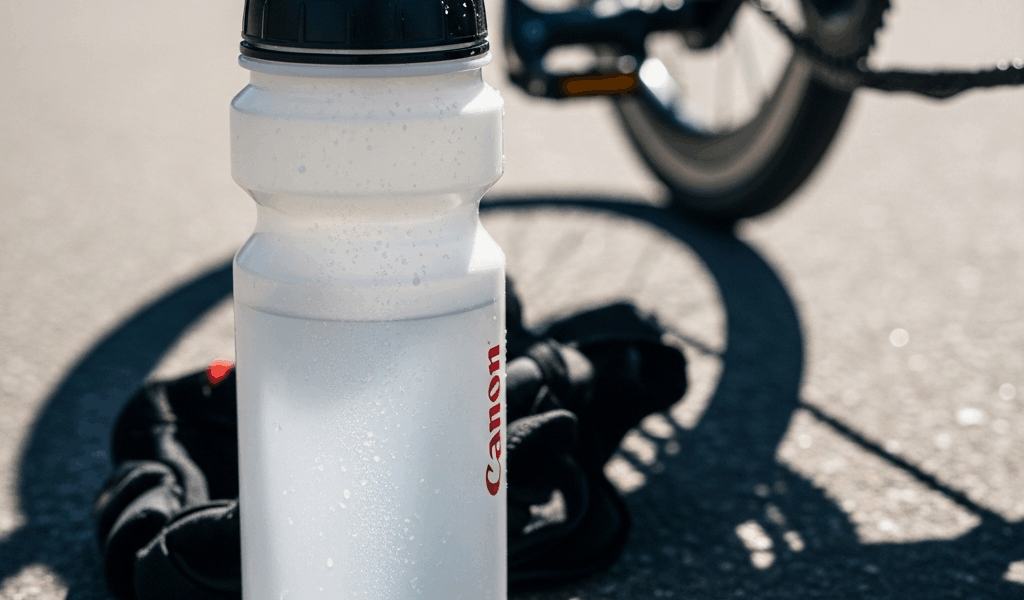
Why Cyclists Get Cramps in Hot Conditions
Cycling cramps have gotten complicated with all the supplement noise flying around. As someone who spent three summers blaming bananas for my seizing legs, I eventually learned everything there is to know about what actually causes them. Today, I will share it all with you.
There are three specific triggers behind heat-related cramping on the bike. Sodium loss is the first. Ride in 85-degree heat and you’re shedding somewhere between 500 and 1,500 milligrams of sodium per hour — the range depends on your genetics and how hard you sweat. That loss shrinks your blood plasma volume and disrupts your muscle’s electrical signaling. Second trigger: dehydration pulling away the fluid your muscles need to function. Third: neuromuscular fatigue. Push too hard when it’s hot enough, and your nervous system simply quits. Cramps follow regardless of breakfast.
Magnesium keeps coming up because it sounds scientific and searches well. But what is the magnesium cramping theory? In essence, it’s the idea that a deficiency causes muscle misfires. But it’s much more than a myth — it’s a well-marketed one. A 2017 meta-analysis found zero solid evidence that magnesium supplementation prevents exercise-associated transient muscle cramps. Save the $30 a month.
Sodium Is the Main Thing You Are Missing
Probably should have opened with this section, honestly. Most cyclists are dramatically under-salting their hot rides — and their standard 8-ounce sports drink, clocking in at 110 to 160 milligrams of sodium, isn’t rescuing them. Fine for a 90-minute spin. Useless for anything longer when temperatures climb.
I’m apparently a heavy sweater and Nuun works for me while plain Gatorade never really cuts it on July rides. Don’t make my mistake. I learned this the brutal way during a century ride through Pennsylvania — cramped up completely around mile 78 despite finishing off two full bottles of Gatorade. A teammate dug a single salt packet out of his jersey pocket and handed it over. Ten minutes later, my legs loosened. That was a Tuesday in 2019, and I haven’t underestimated sodium since.
Here’s what works in practice:
- Before the ride: Eat something salty 30 minutes out — salted toast, pretzels, a handful of crackers. This primes your system before you even clip in.
- During the ride: Target 300 to 500 milligrams of sodium per hour on anything over 90 minutes. That’s nearly double what most sports drinks alone provide.
- Practical additions: SaltStick capsules run 215mg each, Nuun tabs land around 300mg. A single dill pickle spear has roughly 300mg. Pickle juice — the actual brine — absorbs faster than tablets and triggers a neurological response that actively helps relax cramping muscles. Sounds odd. Works every time.
Liquid IV packets mix into water and deliver 500mg of sodium per serving. They taste artificial — I won’t pretend otherwise — but they work. Some riders stir a pinch of sea salt directly into a regular sports drink. Either approach gets you there.
Experiment before race day. A tube of 40 SaltStick caps runs about $8, and I carry them alongside a small bag of pretzel-heavy trail mix on any ride exceeding two hours in warm weather. Cheap insurance.
Hydration Timing That Actually Prevents Cramps
Timing matters more than most riders think — and drinking only when you’re thirsty is a disaster strategy. Thirst shows up late. By the time you feel it, dehydration is already working against you.
Start two days out, not the night before. Drink normally, check your urine color each morning. Pale yellow means you’re good. Dark yellow means drink more. The night before a long hot effort, add 16 to 20 ounces of water alongside dinner — not right before sleep, alongside food.
Morning of the ride: 16 ounces of water or electrolyte drink two to three hours before rolling out. This gives your kidneys time to process everything properly. Another 4 to 8 ounces fifteen minutes before you start. Don’t skip this.
On the bike, the schedule is simple — every 20 minutes, drink 4 to 8 ounces. On an 85-degree day, you’re losing 24 to 48 ounces of sweat per hour. Replacing half to two-thirds of that keeps your plasma volume stable and cramps away.
One hard warning: plain water with no electrolytes during anything over two hours can cause hyponatremia — dangerously low blood sodium. Cramping, confusion, and a very bad day. Emergency rooms treat hyponatremia in cyclists every summer. Always mix sodium into your hydration on extended hot rides. Always.
Pacing and Load — the Factor Riders Ignore
Heat raises perceived effort in ways that are easy to underestimate. Frustrated by a mysterious wall of fatigue that appears around the hour mark on hot days, many cyclists push harder — exactly the wrong response. That same 220-watt effort demands more cooling, fatigues your nervous system faster, and eventually ends in cramping regardless of how well you’ve hydrated.
I made this mistake on a Tuesday night group ride two summers ago. Held my usual power — right around 220 watts — for the first 45 minutes. Legs felt wooden almost immediately. At mile 8, both calves seized at once. I’d ignored the heat entirely. This new understanding of heat-adjusted pacing took hold several months later and eventually evolved into the approach endurance cyclists know and rely on today.
Drop your target wattage by 10 to 15 percent on hot days. If 220 watts is your baseline, aim for 187 to 198. It feels easy at first — that’s not a warning sign, that’s the point. Your body is still working harder than the numbers suggest. Your nervous system stays fresh. Neuromuscular cramps simply don’t happen.
Use perceived exertion over the power meter on hot days. You should feel controlled and steady, not labored. Breathing hard? Back off another 5 watts. That’s what makes pacing discipline endearing to us cyclists — it feels like weakness and is actually the smarter move.
What to Do When a Cramp Hits Mid-Ride
Prevention handles 95 percent of situations. For the other 5 percent — when your quad seizes anyway — here’s the sequence:
- Stop pedaling. Soft-pedal or unclip completely and walk for 30 seconds. Fighting a cramping muscle makes it worse.
- Stretch immediately. Quad cramping? Pull your heel toward your glute. Calf cramping? Straighten the leg, pull toes toward your shin. Hold 20 seconds. No bouncing.
- Take sodium fast. A salt packet, a shot of pickle juice, or a single mustard packet — at least if you can stomach the taste. The sodium helps, and the neurological trigger from the salty flavor actually signals your nervous system to release the cramping muscle.
- Back off intensity. Even after the cramp releases, ride easy for 5 to 10 minutes before pushing again.
Then ride conservatively the rest of the day. Once cramps start, your muscles are already fatigued and depleted — they’ll cramp again if you push. That’s not a theory. That’s just how it plays out.
So, without further ado, the summary: get sodium in before you feel you need it. Hydrate on schedule rather than on sensation. Drop your pace when temperatures climb. Do those three things consistently, and cramping becomes someone else’s problem — not yours.




Subscribe for Updates
Get the latest cycling nutrition hub updates delivered to your inbox.
We respect your privacy. Unsubscribe anytime.