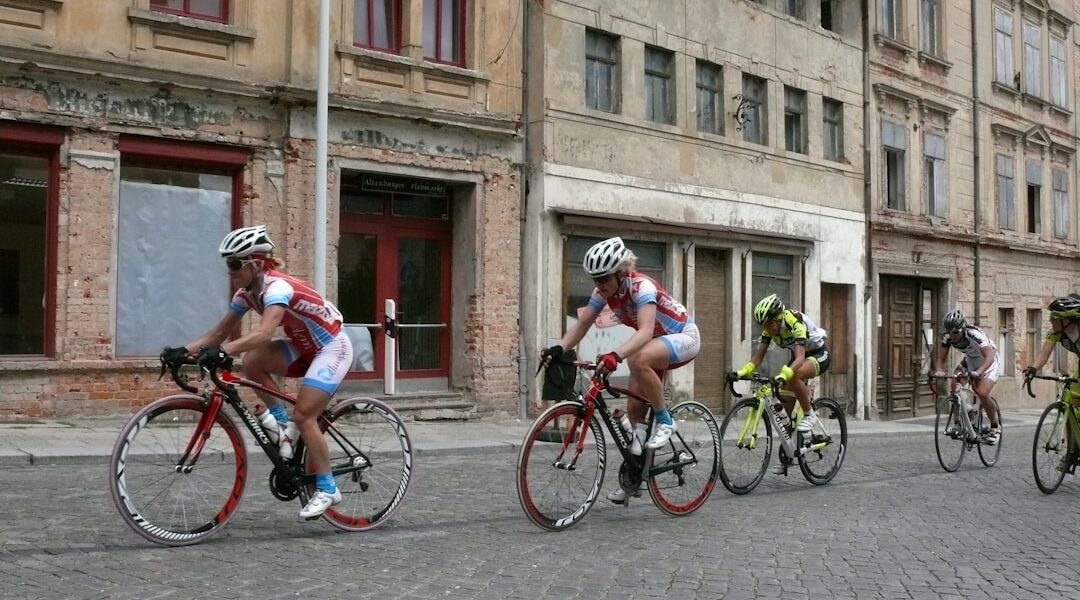
Cycling stomach problems have gotten complicated with all the contradictory advice flying around. As someone whose every ride over 60 miles ended the same way for three years — cramping, nausea, and the urgent need to find a bathroom — I learned everything there is to know about fixing GI issues the hard way. Today, I’ll share what finally worked.
The Problem I Could Not See
I thought my stomach was weak. Turns out I was doing everything wrong. Too much food, wrong timing, and a fundamental misunderstanding of how digestion works during exercise.
Probably should have led with this section, honestly. Blood flow during cycling goes to working muscles, not your gut. Your digestive system operates at maybe 40% capacity. I was eating like my stomach worked normally. It doesn’t.
The Fiber Mistake
My healthy breakfast of oatmeal with fruit and nuts was destroying my rides. Fiber slows digestion. Great for daily health, terrible before a ride. I switched to white bread with honey and my pre-ride problems vanished within two weeks.
The night before matters too. That big salad I ate for dinner? Still sitting in my gut the next morning. Now I eat low-fiber dinners before any ride over 3 hours.
Fat Is Not Your Friend Mid-Ride
Those almond butter packets seemed like great ride food. Calorie-dense, portable, tasty. Also sitting in my stomach like cement after mile 40. Fat takes 4-6 hours to digest. During hard exercise, even longer.
I keep fat content under 5 grams per hour during rides now. Saves all the fat and protein for recovery meals instead.
Concentration Killed Me
That’s what makes dilution endearing to us sensitive-stomach types — it actually works. Energy drinks at full strength wrecked my gut. The sugar concentration was too high. Your stomach needs to dilute concentrated solutions before absorbing them, which means fluid getting pulled into your gut instead of your bloodstream.
The fix was embarrassingly simple: dilute everything. Sports drink mixed at half strength. Gels chased with extra water. Suddenly I could use products that previously gave me problems.
Training My Gut
Turns out your digestive system adapts to training like your legs do. For years I avoided eating during training rides because it felt uncomfortable. That discomfort was my untrained gut complaining about an unfamiliar task.
Started small. One gel per training ride. Then two. Then experimenting with real food. After a month of consistent practice, my gut handled twice the fuel with none of the problems.
The Fructose Discovery
Some people tolerate fructose well. I’m not some people. Products with high fructose content, even natural fruit, gave me bloating and gas. Switching to glucose and maltodextrin-based products made a massive difference.
The ratio matters too. Products with 2:1 glucose to fructose work better for most people than pure glucose or high-fructose formulas. Read the labels on your gels and drink mixes.
Heat Changes Everything
My stomach handles twice as much food in cool weather compared to hot. Blood flow to the gut drops even more when your body is working hard to cool itself. In summer, I cut my hourly intake by 30-40% and accept lower performance rather than gut problems.
Frozen bottles help. Cold fluid is easier to digest than warm fluid. Also keeps you slightly cooler, which indirectly helps digestion by reducing thermal stress.
What I Eat Now
Training rides under 2 hours: just water, maybe one gel if I’m doing intensity. Recovery meals handle the rest.
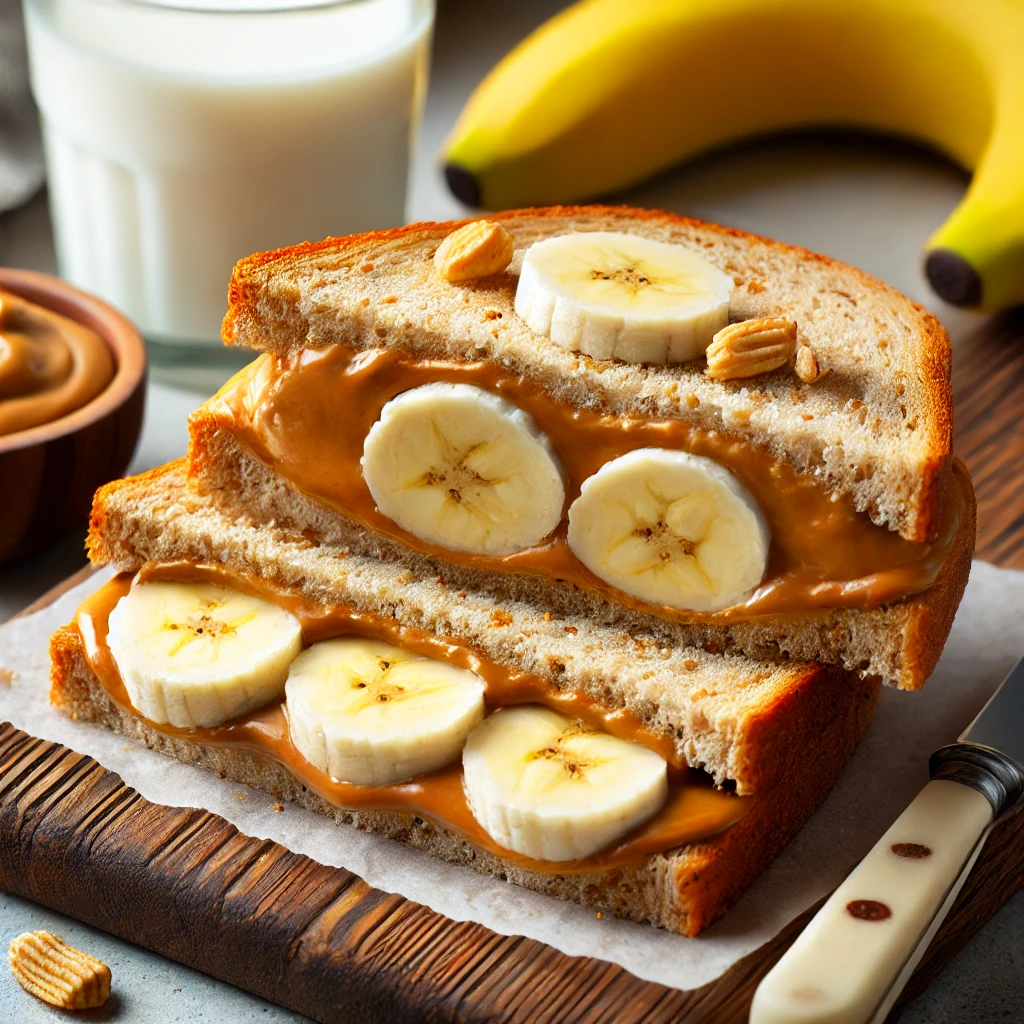
Long endurance rides: 200-250 calories per hour, split between drink mix and simple foods. Rice cakes, white bread with jam, fig bars. Gel backup for when eating feels impossible.
The solution wasn’t finding magic products. It was understanding how my stomach actually functions during exercise and respecting those limits.


Subscribe for Updates
Get the latest articles delivered to your inbox.
We respect your privacy. Unsubscribe anytime.