Choosing a Bike: What Actually Matches Your Riding
Bike selection has gotten complicated with all the categories and marketing terms flying around. As someone who asked everyone what bike to buy when I started and got a dozen confident but useless answers, I learned everything there is to know about matching bike to rider. Today, I’ll share the practical breakdown.
Start With Honest Questions
Probably should have led with this section, honestly.
Where will you ride? Paved roads, dirt trails, or both?
How far? Around the neighborhood or 50-mile adventures?
Will you carry anything — commute bags, groceries, kids?
How much do you want to spend?
Answer honestly, not aspirationally. Buy for what you’ll actually do, not what you might do someday.
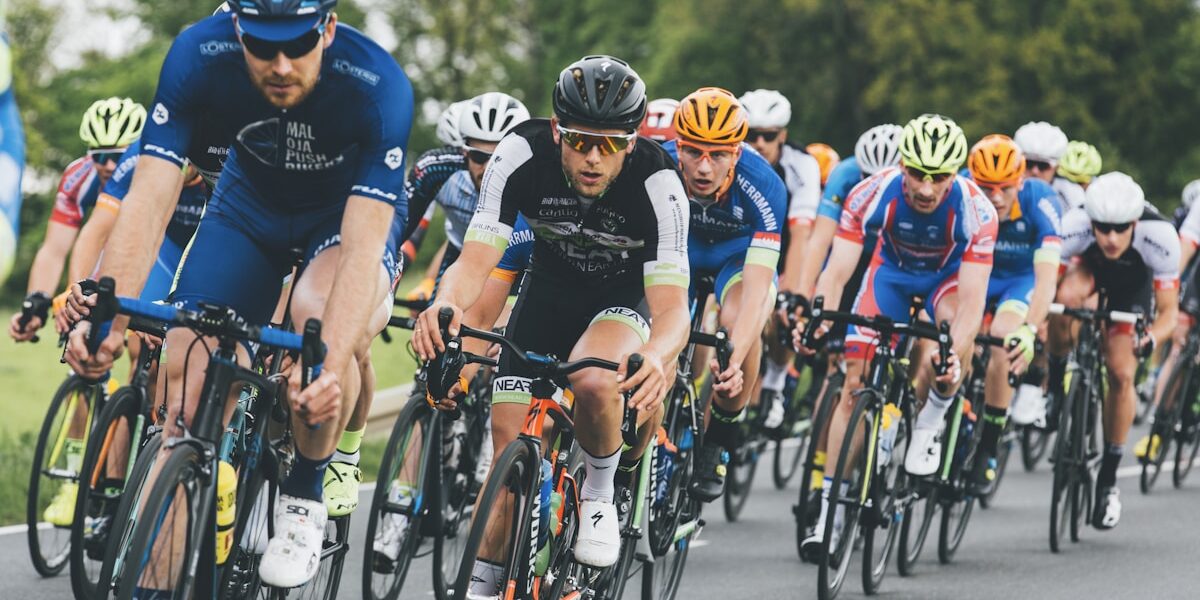
Mostly Pavement, Fitness Focused: Road Bike
Drop handlebars, narrow tires, lightweight. Efficient and fast on smooth surfaces.
Good for: fitness rides, group rides, long distances on pavement.
Bad for: rough roads, trails, carrying cargo.
Budget: $1,000 gets decent entry-level.
Trails and Dirt: Mountain Bike
That’s what makes mountain bikes endearing to us off-road enthusiasts — wide tires with knobs, suspension, built to handle rocks and roots.
Good for: trails, technical terrain, off-road adventures.
Bad for: long pavement rides, commuting usually.
Budget: $800-1,000 for decent hardtail; $1,500+ for full suspension worth having.
A Little of Everything: Hybrid or Gravel
Hybrid bikes: Flat handlebars, medium-width tires, comfortable upright position. Jack of all trades for casual riding.
Gravel bikes: Drop bars like road bike but wider tire clearance. Faster than hybrids on roads, more capable off-road.
Budget: $500-800 for decent hybrid; $1,200+ for gravel bike.
Commuting: Consider Your Route
All pavement with little cargo? Road bike or hybrid works.
Need to carry stuff? Look for rack mounts, consider dedicated commuter or city bike.
Hilly or long commute? E-bike changes everything — arrive without being drenched in sweat.
Short Trips, No Fuss: City Bike
Step-through frames, internal hub gears, fenders, racks built in. Practical, low-maintenance, comfortable.
Good for: short trips, errands, riding in regular clothes.
Bad for: speed, long distances, trails.
E-Bikes: Worth Considering
Electric assist makes hills easy and extends range. You still pedal, but with help. Good for commuting, riding with fitter friends, or just riding more because it’s less daunting.
Budget: $1,500 for decent entry-level; $2,500+ for something that feels good.
Folding Bikes: Specific Use Case
If you take transit or have no storage space, folding bikes solve real problems. Otherwise, they’re compromised in ride quality.
Kids and Cargo: Specialty Bikes
Cargo bikes carry kids and groceries. Life-changing for car-free living. But expensive and specific.
For occasionally carrying a kid, a trailer attached to a regular bike often makes more sense.
Budget Reality
$500: Basic but rideable. Used bikes often better value here.
$1,000-1,500: Solid bikes that will last and feel good.
$2,000+: Diminishing returns for casual riders.
Used bikes from reputable sources can be excellent value. Many bikes get ridden twice and sold.
The Decision
Pick the category matching your honest answers. Buy the best you can afford from a shop that will support you. Then ride it.
Don’t overthink brand comparisons at similar prices. Any reputable bike matching your use case will work. The bike you ride is better than the perfect bike you’re still researching.



Subscribe for Updates
Get the latest articles delivered to your inbox.
We respect your privacy. Unsubscribe anytime.