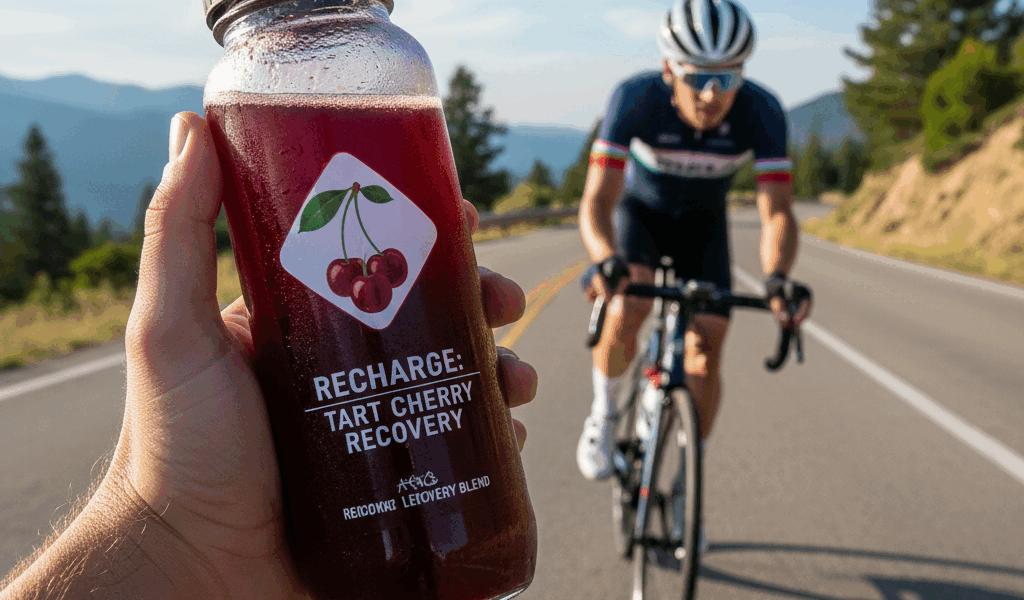
Ultra-distance fueling has gotten complicated with all the conflicting strategies flying around. As someone who’s completed a dozen double centuries, I learned everything there is to know about what actually works for 200-mile rides. Today, I’ll share what I wish someone told me before my first one.
The Math Nobody Explains
Probably should have led with this section, honestly. At moderate intensity, you burn roughly 600-800 calories per hour. A 200-mile ride takes most riders 12-14 hours. That’s 7,000-11,000 calories burned. Your body stores maybe 2,000 calories as glycogen. See the problem?
You cannot eat your way to matching calorie burn. Your digestive system tops out around 300-400 calories per hour during exercise. Accept this early and plan accordingly.
What Actually Works
Start eating early. Like, within the first 30 minutes. I know you feel fine. You won’t feel fine at mile 150 if you waited until mile 50 to start eating. The damage is done hours before you feel it.
My approach: one gel or bar every 30-45 minutes for the first 8 hours, then switch to real food when my stomach needs variety. Rice balls, PB&J sandwiches, boiled potatoes with salt. The palatability of gels crashes hard after hour 8.
The Hydration Piece
That’s what makes consistent hydration endearing to us ultra-distance riders — it actually prevents the late-ride crash. I drink one bottle per hour in mild weather, closer to two in heat. For anything over 6 hours, I add electrolytes to every bottle. Not just when it’s hot. The sodium losses accumulate regardless of temperature.
Signs I ignored too long: wanting to slow down for no reason, slight headache, food tasting weird. All early dehydration signals I used to dismiss as normal fatigue.
Night Riding Changes Everything
Your stomach slows down at night. I learned this the hard way on a 24-hour race. Food that sat fine at 2pm became a rock in my stomach at 2am. Solution: smaller portions more frequently and avoid anything high in fat or fiber after dark.
Caffeine timing matters more too. I stop caffeinated gels by early evening if I need to sleep after. If pushing through the night, I save my caffeine hits for when drowsiness peaks, usually 3-5am.
Real Food I Actually Eat
Forget the fancy stuff. Here’s my actual 200-mile food bag: white rice wrapped in foil, soft cookies, pretzels, fig bars, banana pieces, and maybe a few gels for emergencies. Everything bland, everything easy to chew while riding.
I prep rice balls the night before. Two cups rice, some salt, press into hockey-puck shapes, wrap in foil. They hold up in a jersey pocket for 8 hours and taste good even when you don’t feel like eating.
Mistakes I Made So You Don’t Have To
Trying new foods on event day. Never again. That protein bar I grabbed at mile 80? Spent the next 20 miles regretting it. Test everything in training.
Skipping breakfast because of early start nerves. Eat something, even if small. A plain bagel with peanut butter three hours before start sits well and tops off glycogen.
Relying only on aid station food. Volunteer-provided food varies wildly. Sometimes it’s perfect. Sometimes it’s nothing but hard pretzels and warm Coke. Carry your own supplies.
The Mental Side of Eating
Around hour 10, nothing sounds good. Your brain lies to you. It says you’re not hungry when you desperately need calories. Set a timer. Eat by the clock, not by appetite. This single habit transformed my late-ride performance.
Building Your Own System
None of this means you should copy my exact approach. Start with these frameworks and adjust based on your body. Some riders digest better on the bike than I do. Some need more sodium, some less. The only way to know is testing during training rides, not events.



Subscribe for Updates
Get the latest articles delivered to your inbox.
We respect your privacy. Unsubscribe anytime.