MTB Glasses: Protecting Your Eyes on the Trail
I went without proper MTB glasses for about two years. I’d borrow sunglasses, squint through dusty sections, and generally treat eye protection as optional. Then I took a piece of trail grit directly in the eye at speed, had to stop for five minutes to clear it, and bought a real pair the next week. Should have done it two years earlier.

What You’re Actually Protecting Against
Debris is the main one — dust, grit, pebbles kicked up by other riders, bugs, low-hanging branches on singletrack. UV exposure adds up over a season worth of hours outdoors. And visibility in variable light matters more on technical terrain than most people realize until they’re trying to read a root section through fogged or wrong-tinted lenses.
Lens Choice Is About Your Conditions
Clear lenses for shaded trails and night riding. Any tint in those conditions cuts too much light. For bright open terrain, tinted lenses reduce glare; yellow and amber improve contrast on overcast days. Photochromic lenses — the ones that adjust automatically — are appealing in theory but they transition slower than advertised, which creates a frustrating few seconds when you move from shade to direct sun. I’ve tried them and prefer having a dedicated pair for each condition.
Polarized lenses cut glare off wet surfaces noticeably. If you ride mornings after overnight rain, they’re worth having.
Frames
The main things that matter: light enough to forget they’re there, grippy enough to stay put when you’re breathing hard, ventilated enough that they don’t fog on climbs. Grilamid TR90 has become the standard frame material for good reason — it’s flexible, impact-resistant, and holds adjustment. Wrap-around designs protect from debris coming from the sides, which on singletrack is common. Adjustable nose pads and temple tips make the difference between glasses that fit well and glasses that slip every time you drop your head.
Coatings
Anti-fog is the one I’d pay for without hesitation. On humid days and hard climbs, uncoated lenses become useless fast. Anti-scratch extends lens life significantly — polycarbonate scratches easily and scratched optics are genuinely distracting when you’re trying to read terrain. Hydrophobic coating clears sweat and rain faster on descents in mixed weather.
Brands
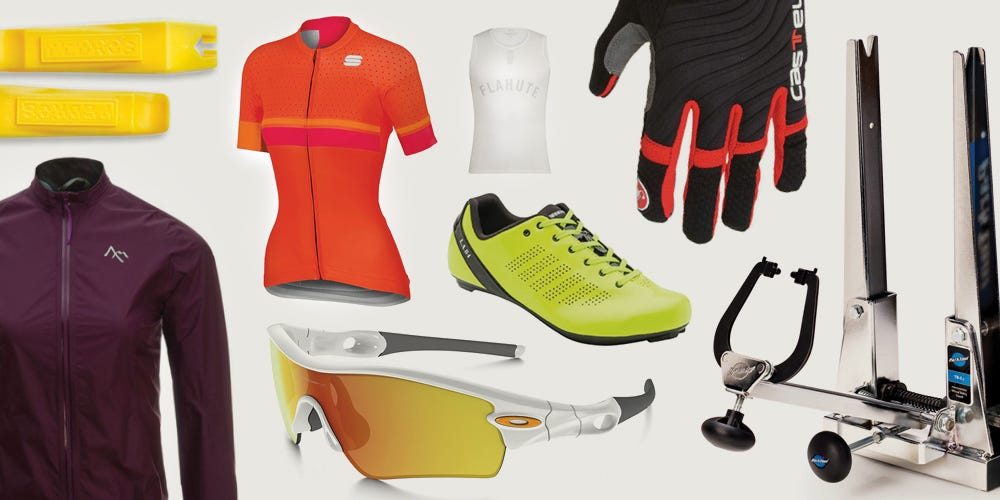
Oakley’s Prizm lenses are legitimately better at trail contrast than most alternatives — the improvement on your first ride with them is noticeable. Smith has good ventilation and fits well across different face shapes. 100% builds specifically for cycling rather than adapting sunglasses from other sports. POC prioritizes protection over aesthetics, which is either appealing or not. Tifosi is the go-to for good optical quality without the premium price.
Maintenance
Microfiber cloth and proper lens cleaner. Not your shirt. Not a paper towel. Both will scratch polycarbonate faster than you expect. Hard case when not riding. Check the nose pads and temple tips occasionally — they wear out and are cheap to replace.
Choosing the Right Pair
That’s what makes MTB glasses endearing to us mountain bikers who’ve found what works. Figure out your primary conditions first, let that drive the lens choice, then find a frame that fits your face and stays put. Try before buying if possible — fit varies a lot between brands. A good pair disappears once you’re on the trail. A bad pair is all you think about.


Subscribe for Updates
Get the latest articles delivered to your inbox.
We respect your privacy. Unsubscribe anytime.