What Ice Cold Water Actually Does to Your Stomach While Riding
Cycling hydration has gotten complicated with all the competing advice flying around — electrolyte tabs, osmolality charts, temperature debates. As someone who learned the hard way after a miserable July ride that ended with 20 minutes doubled over on the roadside, I learned everything there is to know about what cold water actually does inside a working body. Today, I’ll share the real physiology behind this, when you’re most at risk, and exactly how to manage it.
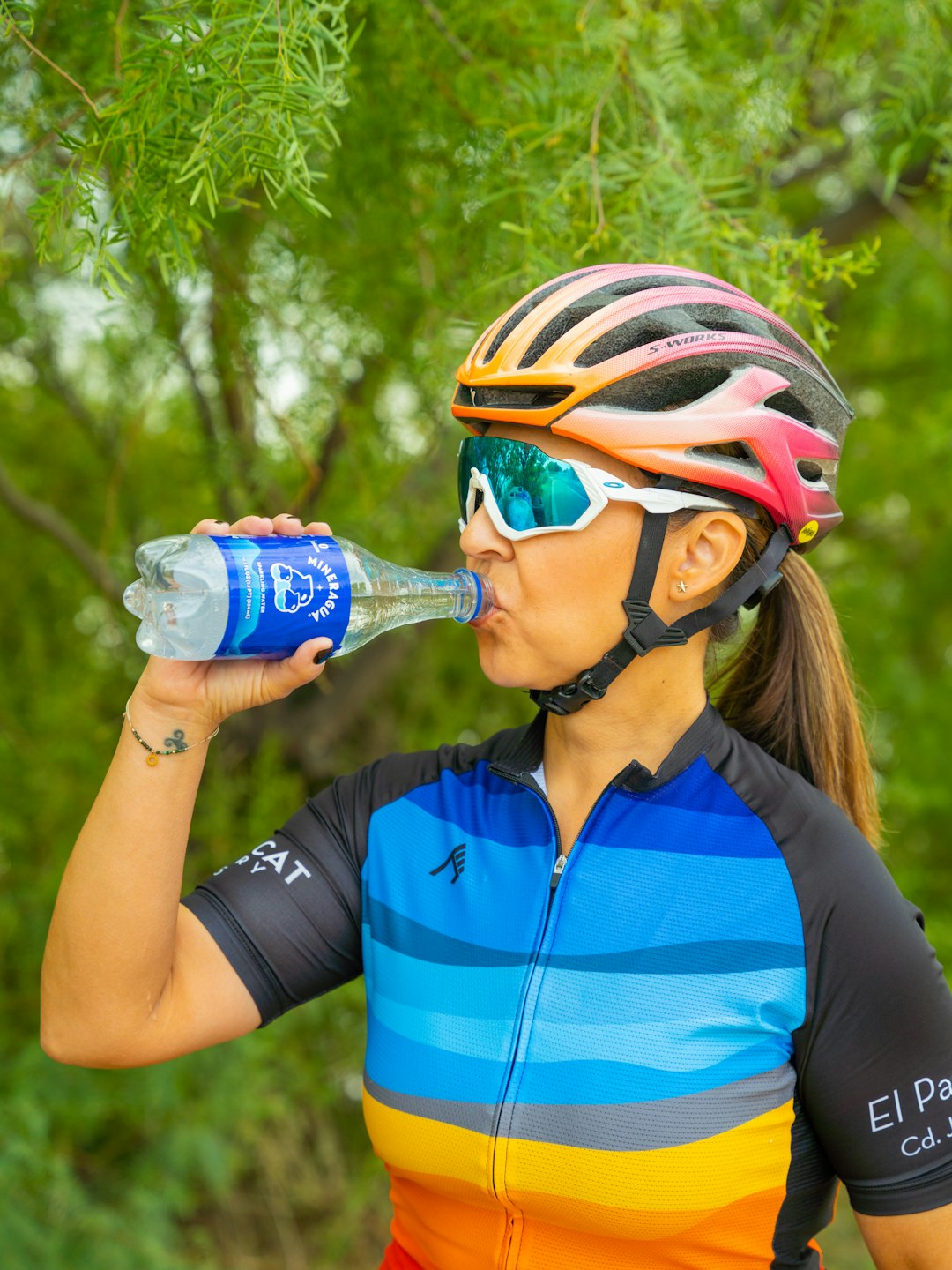
It’s a hot July ride. You stop, fill your bottles with ice water at a gas station, get back on the bike, and hammer out of the parking lot. Twenty minutes later you’re cramping badly. You blame the gel you had 30 minutes ago, or maybe the heat, or some other convenient explanation. It was the ice water. This isn’t cycling folk wisdom — there’s a real physiological mechanism at work, and understanding it changes how you manage hydration.
The Physiology of Cold Water on a Working Stomach
When you drink very cold water, your body responds to the temperature drop in the stomach with vasoconstriction — the narrowing of blood vessels in the gastric lining. This is a basic thermal regulation response. Your body is trying to prevent rapid cooling of core temperature by reducing blood flow to the stomach wall.
The problem is that gastric blood flow is already compromised during intense exercise. Your cardiovascular system is prioritizing your working muscles, diverting blood away from the digestive organs. At hard effort, gut blood flow can drop by 50-80% compared to rest. When you add the vasoconstriction triggered by very cold fluid, you compound an already reduced blood supply to the stomach.
The result is delayed gastric emptying — the rate at which fluid and food move from your stomach into the small intestine slows significantly. Food and liquid that should be moving through backs up. You feel bloated, heavy, and nauseous. In many cases, the stomach goes into a kind of spasm response: cramps.
The cramps from cold water tend to hit hardest when you combine two stressors simultaneously: high exercise intensity and very cold fluid. Either alone is usually manageable. Together, they can stop a ride.
When You’re Most Vulnerable
The cramp risk is highest during the hardest parts of a ride. Attacking on a climb, sprinting through a finish, bridging a gap to a break — these are the moments when gut blood flow is lowest and gastric motility is already suppressed. Drinking ice-cold water at exactly these moments is the worst possible timing.
Riders with naturally sensitive digestive systems are more susceptible. If you’ve ever had GI issues in races or hard group rides, your gut is telling you it doesn’t handle the exercise-digestion competition well. Cold water makes that worse.
Heat increases the risk paradoxically, not because your body can’t handle the cooling, but because you drink more aggressively in heat. A large bolus of ice-cold water consumed rapidly at high intensity is more disruptive than small sips of the same water over time.
What the Research Shows
Probably should have led with this section, honestly. Studies on fluid temperature and gastric emptying consistently show that cold fluids empty from the stomach more slowly than cool fluids. Research published in the Journal of the International Society of Sports Nutrition found that very cold water (around 41°F) had significantly slower gastric emptying rates than cool water (around 59°F) during exercise at moderate intensity. The effect is amplified at higher intensities.
The combination of exercise-induced gut ischemia and thermally induced vasoconstriction creates conditions that slow digestion and increase cramp likelihood. The studies generally point to the same practical conclusion: water around 50-60°F — cool but not cold — empties from the stomach faster and causes fewer GI symptoms than water below 45°F.
That’s what makes the temperature window endearing to us riders who’ve spent time digging into this — it’s not an arbitrary range someone invented. It maps directly onto where gastric emptying stays fast and your gut stays cooperative.
The Ideal Temperature for Cycling Hydration
Cool water, not cold water. The target range for optimal gastric emptying during exercise is roughly 50-59°F. That’s the temperature of water that’s been sitting in a moderately cool environment for a while — pleasantly cool to drink, but not the teeth-aching cold of a glass just out of an ice bath.
Practically speaking: water that’s been in your bottle for 30-60 minutes on a warm day has typically warmed into a usable range. Water straight from a commercial ice machine is typically too cold.
On very hot days, the temptation to drink the coldest possible water is real, and there is some evidence that cold water improves perceived comfort and reduces core temperature more effectively than warm water. The tradeoff is GI risk. Many coaches and sports dietitians land on the practical compromise: cool your bottles from the outside rather than making the water itself very cold.
Practical Tips for Hot Weather
Use insulated bottles. Camelbak Podium Chill, Specialized Purist Insulated, and similar options keep water cooler without making it ice cold. If you’re at a stop and can only access ice water, let it sit for five to ten minutes before your next hard effort. Or mix it with remaining warm water in your bottle to bring the temperature up.
Pouring cold water over your head, neck, and wrists is an extremely effective cooling strategy that has no GI consequences. If you have access to cold water in hot weather, use it externally. Drink it more carefully.
During the hardest parts of a ride — climbs, sprints, hard group ride segments — take small sips rather than large drinks. Your gut is least capable of handling fluid at these moments regardless of temperature.
What to Do If Cramps Hit Mid-Ride
Back off the intensity immediately. You cannot ride through gastric cramps by maintaining or increasing effort. Reduce to an easy pace and give your body 5-10 minutes to redirect blood flow back toward the gut. Stop drinking cold fluid. Focus on slow, deep abdominal breathing — the same technique used for side stitches works for general gastric cramping too.
Most gastric cramps from cold water resolve within 10-15 minutes if you back off intensity and let the stomach normalize. If they don’t, or if pain is severe, you’re dealing with something beyond cold water and need to address it accordingly.


Subscribe for Updates
Get the latest articles delivered to your inbox.
We respect your privacy. Unsubscribe anytime.