Cycling nutrition planning has gotten complicated with all the conflicting advice flying around. As someone who spent five years figuring this out through trial and error, I learned everything there is to know about building a plan that actually works for training and racing. Today, I’ll help you skip most of those mistakes.
Start With Your Training Load
Your nutrition needs depend entirely on how much you ride. Someone training 20 hours per week needs a completely different approach than someone riding 6 hours. Before adjusting any food, calculate your actual weekly training stress.
Probably should have led with this section, honestly. For most recreational riders doing 5-10 hours weekly, normal healthy eating covers your needs. No special products required. You only need cycling-specific nutrition strategies when training exceeds about 8-10 hours per week or includes high-intensity work.
Daily Calories Matter More Than Timing
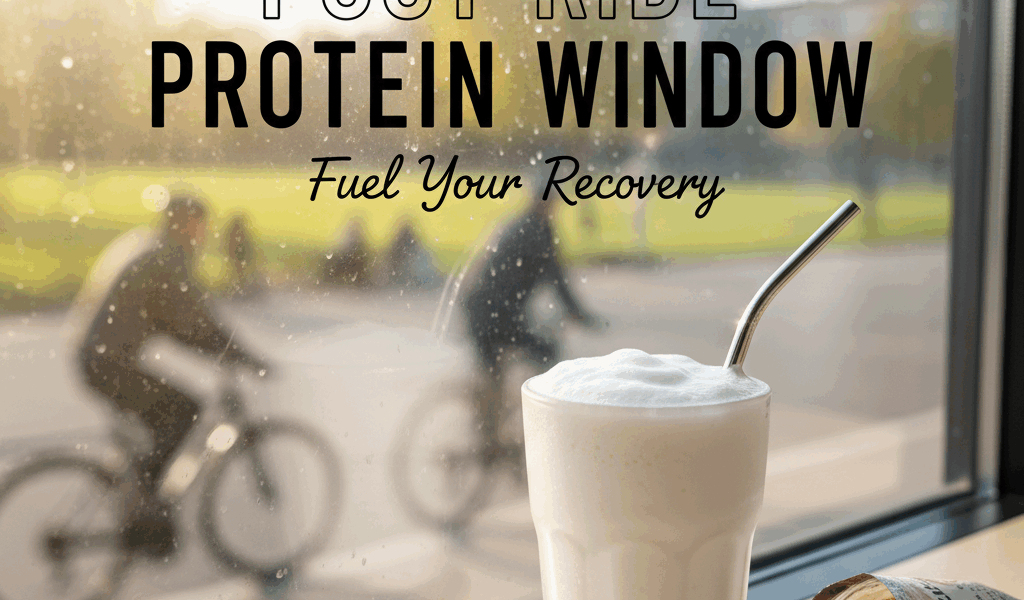
The fitness industry overcomplicates nutrition timing. For most of us, total daily intake matters far more than whether you eat 30 minutes post-ride or 60 minutes post-ride. Get your total calories and macros right first. Optimize timing later.
A rough starting point: bodyweight in pounds times 15-17 for maintenance calories on training days. Adjust based on whether you gain or lose weight over time. Your body tells you more than any formula.
Carbohydrate Periodization Basics
That’s what makes matching carbs to training endearing to us who’ve experienced the difference — it actually works. Heavy training days need more carbs. Rest days need fewer. This sounds obvious but many riders eat the same regardless of activity level, leading to either under-fueling on hard days or excess calories on easy days.
I aim for 5-7 grams of carbs per kilogram bodyweight on hard training days, 3-4 grams on easy days or rest days. These numbers work for most recreational racers and serious enthusiasts.
Protein Gets Overlooked
Endurance athletes focus so heavily on carbs that protein often gets neglected. You need protein to repair muscle damage from training. Inadequate protein means slower recovery and increased injury risk.
Target 1.4-2.0 grams per kilogram bodyweight daily, spread across multiple meals. Hitting this from real food is preferable to supplements, but protein powder works fine when whole foods are impractical.
Fat Fills the Gaps
After setting carbs and protein, fat makes up the remaining calories. Don’t fear dietary fat. You need it for hormone production, nutrient absorption, and overall health. Just time it away from training since fat slows digestion.
I keep pre-ride and during-ride nutrition low fat, then include more fat in post-ride meals and rest days. Avocados, nuts, olive oil, fatty fish all have places in a cycling diet.
Hydration Beyond Just Water
You lose more than water through sweat. Sodium losses in particular can derail performance if not replaced. The research is clear: adding electrolytes to your hydration improves performance compared to plain water for efforts over 90 minutes.
Individual sodium needs vary widely. Some riders lose 500mg per liter of sweat, others lose 2000mg. If you cramp frequently or get white salt residue on your jersey, you probably need more sodium than average.
Training Ride Nutrition
Rides under 60-90 minutes need minimal fueling if you ate well beforehand. Water is usually sufficient. Save the gels and sports drinks for longer efforts.
For rides 90 minutes to 3 hours, aim for 30-60 grams of carbs per hour. A gel every 45 minutes plus sports drink hits this easily. This is the range where most recreational training falls.
Beyond 3 hours, bump up to 60-90 grams per hour and start incorporating real food. Your stomach needs variety on longer efforts.
The Practical Approach
Start simple. Eat enough to support your training. Add complexity only when basic nutrition is dialed. Most riders would benefit more from consistent eating habits than from optimizing supplement timing.


Subscribe for Updates
Get the latest articles delivered to your inbox.
We respect your privacy. Unsubscribe anytime.