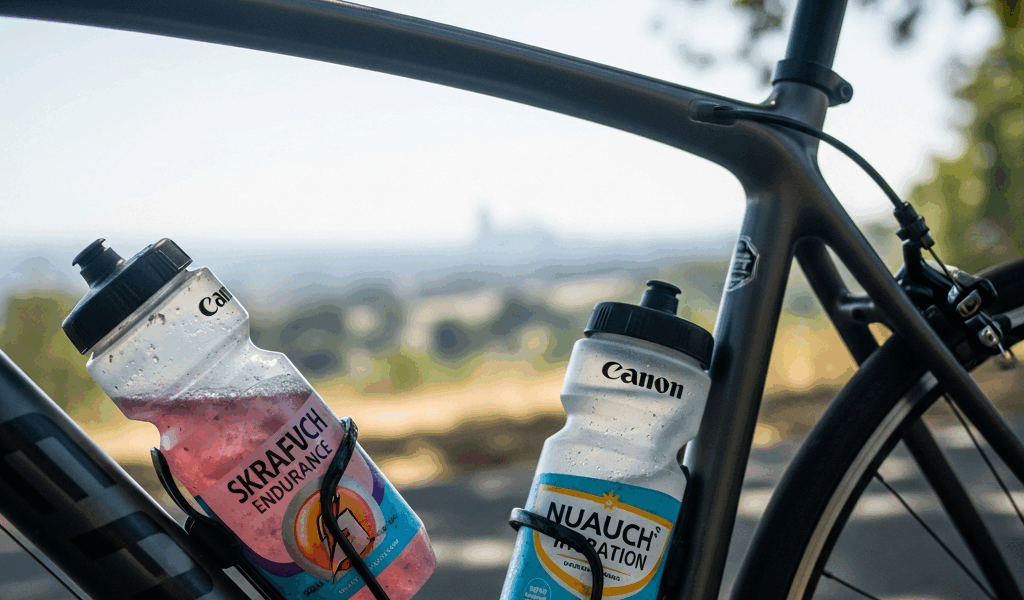
You’re 3 hours into a ride, your jersey is soaked, and the water in your bottles tastes flat. You’ve been drinking steadily but your legs feel heavy and cramping is starting in your calves. You’re not dehydrated — you’re depleted. Water replaces fluid but it doesn’t replace the sodium, potassium, and magnesium pouring out of you with every mile.
Here’s what actually works for electrolyte replacement during cycling, with the specific ingredients and amounts that matter.
What You’re Losing: The Electrolytes That Matter
Sweat isn’t just water. A liter of sweat contains roughly 900-1400 mg of sodium, 200-300 mg of potassium, and smaller amounts of magnesium and calcium. On a hot day, a cyclist can lose 1-1.5 liters of sweat per hour — that’s up to 2,100 mg of sodium lost every 60 minutes.
Sodium is the primary electrolyte that needs replacing during exercise. Potassium and magnesium matter for muscle function, but sodium loss is what causes the acute symptoms — muscle cramping, fatigue, headache, and that foggy feeling where your brain starts making bad decisions about pacing.
Plain water dilutes whatever electrolytes remain in your blood without replacing what you’ve lost. This is why riders who drink plenty of water still cramp — they’re diluting their sodium concentration instead of maintaining it.
What to Look for in an Electrolyte Drink
The label matters more than the brand. Here’s what to check:
Sodium: 300-500 mg per serving minimum. Many mainstream sports drinks contain only 100-200 mg of sodium per serving — that’s nowhere near enough to match sweat losses during hard riding. Look for products designed for endurance athletes, not casual gym-goers. LMNT packets have 1000 mg per serving. Precision Hydration offers 500, 1000, and 1500 mg options based on your sweat rate.
Potassium: 100-200 mg per serving. Supports muscle contraction and prevents cramping. Most cycling-specific electrolyte products include this at adequate levels.
Magnesium: 50-100 mg per serving. Plays a role in muscle relaxation and energy production. If your electrolyte drink doesn’t include magnesium, a post-ride magnesium supplement (200-400 mg) fills the gap.
Sugar content: For rides under 2 hours, you don’t need calories in your electrolyte drink — zero-calorie options (Nuun, LMNT, SaltStick caps with water) work fine. For rides over 2 hours, combining electrolytes with carbohydrates (30-60g per hour) in the same drink can simplify fueling. Skratch Labs and Maurten both do this well.
Products That Work for Cyclists
High sodium, zero calorie: LMNT (1000 mg sodium, 200 mg potassium, 60 mg magnesium). Strong flavor, meant for heavy sweaters. One packet per 16-24 oz water. Good for hot days and riders who fuel carbs separately with gels or bars.
Moderate sodium, moderate carbs: Skratch Labs Sport Hydration (380 mg sodium, 21g carbs per serving). Lighter taste, designed to be drinkable at volume without flavor fatigue. Popular in the cycling community for a reason — it tastes good at mile 60 when most drinks make you gag.
Tablet format: Nuun Sport (300 mg sodium, 150 mg potassium, 25 mg magnesium, 15 calories). Drop a tablet in your water bottle. Convenient, portable, and consistent dosing. The effervescent tablets dissolve in about 2 minutes.
Capsule format: SaltStick Caps (215 mg sodium, 63 mg potassium, 22 mg magnesium per cap). Swallow 1-2 capsules per hour with plain water. Useful if you hate flavored drinks or want to control hydration and electrolytes independently.
How Much and How Often
Target 500-700 mg of sodium per hour during rides over 90 minutes. On hot days or if you’re a heavy sweater (your kit has white salt stains after a ride), increase to 700-1000 mg per hour.
Drink 16-24 oz of fluid per hour as a starting baseline. Adjust up in heat and humidity, down in cool conditions. Your body can absorb roughly 28-32 oz per hour maximum — drinking more than that causes stomach sloshing and doesn’t improve hydration.
Set a timer on your bike computer for every 15-20 minutes and take 4-6 sips each time. Drinking on a schedule prevents the common pattern of forgetting for 45 minutes then chugging a whole bottle — which your stomach won’t appreciate at effort.
Electrolyte replacement isn’t complicated once you find a product and dosing schedule that works for you. The riders who cramp and fade at mile 50 aren’t unlucky — they’re under-replacing sodium. Match your intake to your sweat rate, carry enough for the full ride, and drink on schedule even when you don’t feel thirsty. By the time thirst kicks in, you’re already behind.




Subscribe for Updates
Get the latest cycling nutrition hub updates delivered to your inbox.
We respect your privacy. Unsubscribe anytime.