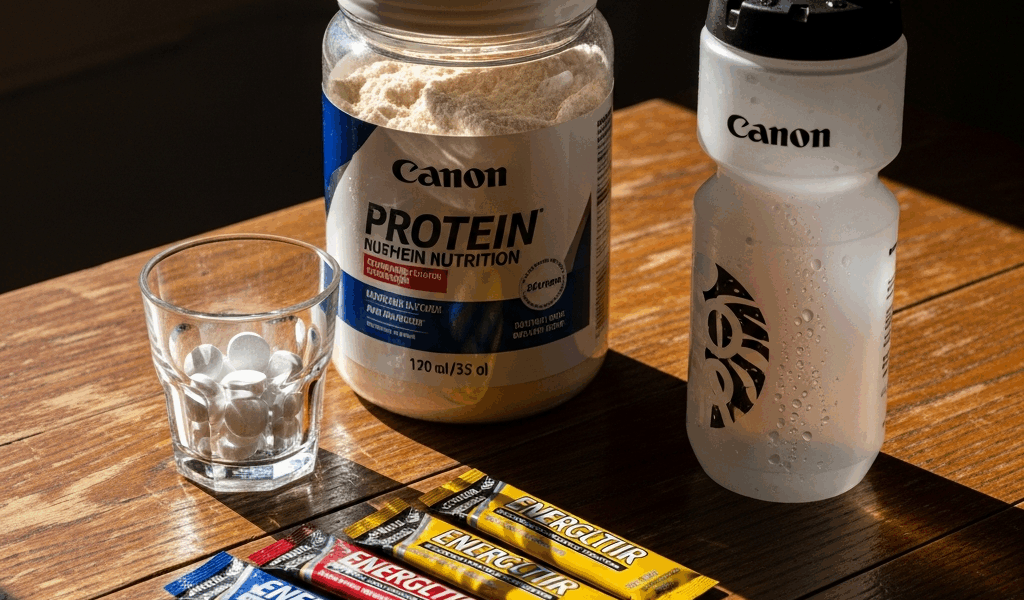
Best Cycling Nutrition Supplements — What Actually Works
Cycling nutrition has gotten complicated with all the sponsored content and affiliate lists flying around. As someone who has spent eight years working with competitive cyclists, triathletes, and weekend warriors as a sports nutritionist, I learned everything there is to know about what actually moves the needle — and what quietly drains your wallet.
I’ve watched athletes drop thousands of dollars on supplements that did absolutely nothing. I’ve also seen a $12 bag of powder produce measurable gains in power output and recovery speed. The gap between those two outcomes usually comes down to one thing: whether anyone bothered to read the actual research.
Most “best cycling supplements” articles are affiliate lists wearing a lab coat. Every product gets glowing copy. Every ingredient solves every problem. That’s not how human physiology works — and honestly, it’s a little insulting. This article is different. Some of what I cover will disappoint you. Some of it will surprise you with how cheap it is. And I’ll tell you plainly when food beats everything else on the shelf.
Supplements That Actually Improve Cycling Performance
Probably should have opened with this section, honestly — the honest disclaimer that only a handful of supplements have real research behind them. That’s not cynicism. That’s the current state of sports nutrition science. Everything I mention below has multiple peer-reviewed studies showing genuine performance improvements in cyclists. Not in rats. Not in sedentary adults. In cyclists.
Caffeine — The Evidence Is Airtight
Caffeine works. Full stop. Cyclists consuming 3–6 mg per kilogram of body weight before training or racing consistently show measurable improvements in power output, time-trial performance, and sustained effort capacity. The research here isn’t contested — it’s about as settled as exercise science gets.
For a 70 kg cyclist, that’s roughly 210–420 mg. A single espresso shot runs about 75 mg. A strong drip coffee sits somewhere between 95–200 mg depending on the beans and brew time. If you weigh 80 kg and want to hit the middle of the effective range, you’re looking at 240–320 mg — maybe two strong coffees or one coffee and a gel.
Timing is where most people get this wrong. Caffeine peaks in your bloodstream 30–60 minutes after consumption. That’s your window. A mistake I see constantly: cyclists sipping their pre-race espresso in the parking lot 15 minutes before the gun. By the time the race actually gets hard — kilometer 20, the first real climb — the caffeine still isn’t at peak levels. Take it earlier than feels comfortable.
What kind of gains? Studies show 2–3% improvements in time-trial performance and meaningful increases in sustained power. For a 20-minute effort, that’s the difference between averaging 290 watts and 300 watts. Over a four-hour ride, that compounds into something significant.
Cost: negligible if you drink coffee. About $8–15 per month if you prefer caffeine tablets or gels for precise dosing.
Beta-Alanine — Builds Up Over Weeks
But what is beta-alanine? In essence, it’s an amino acid that accumulates in muscle tissue and raises carnosine levels — which buffers hydrogen ions during intense efforts. But it’s much more than that, because unlike caffeine, you can’t just take it the morning of your race and expect anything to happen.
It works over weeks. Frustrated by inconsistent interval performance, researchers started digging into why some athletes hit a wall at roughly the 90-second mark of a hard effort — and beta-alanine’s role in acid buffering turned out to be a significant piece of that puzzle. The effective dose is 3–5 grams per day, taken with food throughout the day rather than all at once.
Most people notice tingling in their fingers, ears, and face within 30 minutes of taking it. That’s paresthesia — harmless, a little weird, and apparently impossible to fully suppress even in split doses. It fades after a few weeks for most people.
The actual benefit: delayed fatigue onset during hard intervals, slightly higher power output during intense 60–240 second efforts, and roughly 2–3% average improvement in those zones. For track cyclists or anyone whose training involves regular hard group rides, that’s real. Don’t make my mistake of starting it one week before a target event — you need 4–6 weeks of consistent daily intake before the carnosine stores are meaningfully elevated.
Cost: $12–20 per month for quality powder.
Sodium Bicarbonate — Specific Situations Only
Baking soda. That’s what I’m talking about — actual sodium bicarbonate from the yellow box in your kitchen, though branded “performance” versions exist if you want to pay extra for the same molecule.
The dose is 0.3 grams per kilogram of body weight, taken 60–90 minutes before intense effort. For a 70 kg cyclist, that’s about 21 grams — roughly 5 teaspoons stirred into a glass of water or juice. Honest disclaimer: it tastes awful, and a meaningful percentage of people experience nausea and GI distress significant enough to abandon the protocol entirely. Experiment in training. Never race-day debut a new supplement.
That’s what makes sodium bicarbonate endearing to us evidence-focused practitioners, though — the mechanism is identical to beta-alanine in concept, the research is solid, and it costs almost nothing. Performance gains land around 2–3% for efforts lasting 1–10 minutes. If you’re doing track cycling, short brutal road races, or VO2max intervals in training, it’s worth testing. Long-distance gravel riding? Skip it entirely — the effort duration doesn’t match the mechanism.
Cost: essentially free. A box of baking soda runs $3 and lasts months.
Recovery Supplements Worth Taking
Recovery is where I consistently see the biggest gap between what cyclists do and what they should do. Most train hard and recover haphazardly. A few targeted interventions here produce outsized results.
Protein After Hard Efforts
Not flashy. Still matters. Consuming protein within 30 minutes of finishing a hard session accelerates muscle protein synthesis — your muscles repair faster, adapt more completely, and you accumulate less residual fatigue across a training week.
The target amount: 0.25–0.4 grams per kilogram of body weight. A 70 kg cyclist needs roughly 17–28 grams in that window. One scoop of whey protein contains 20–25 grams. That’s it — one shake, done.
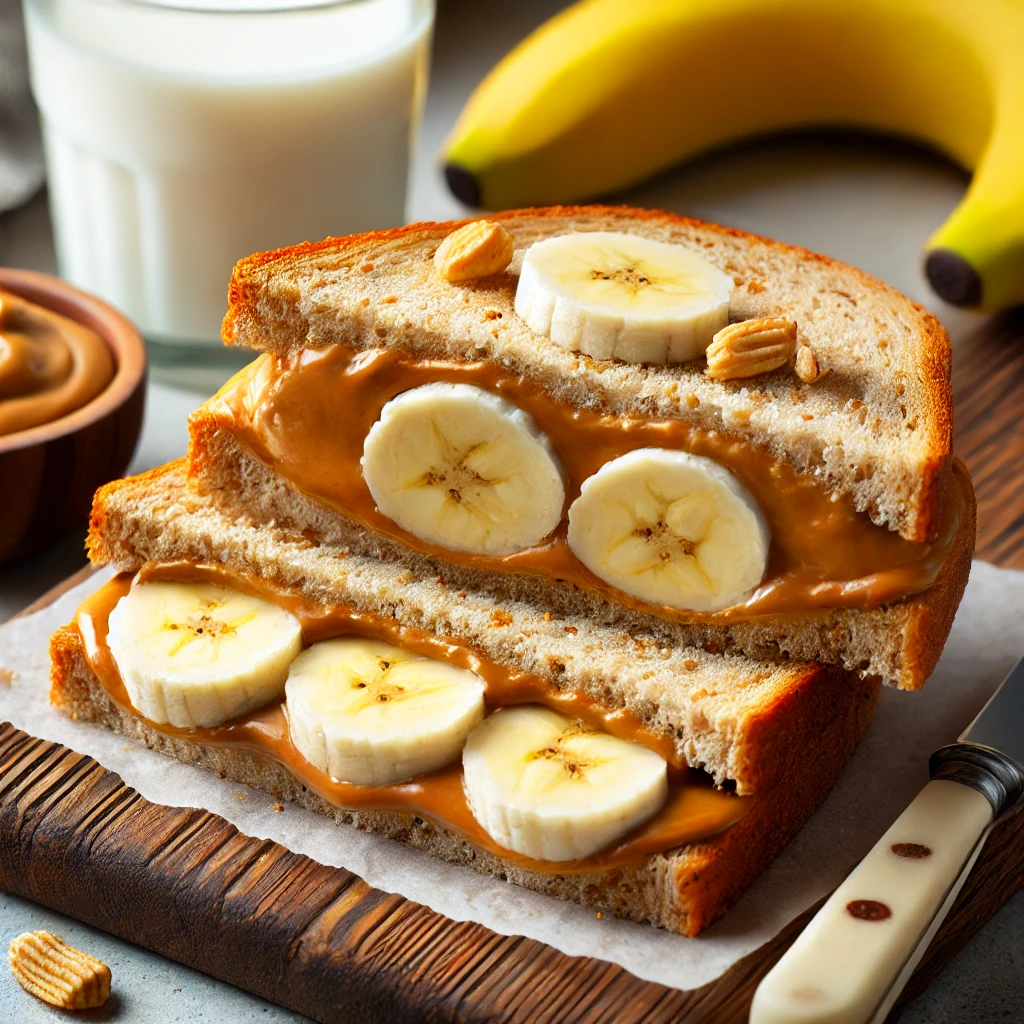
You do not need a proprietary “recovery matrix” costing $8 per serving. Chocolate milk works. Greek yogurt works. A protein shake with some banana works. Even a chicken sandwich eaten within 45 minutes of finishing works — I’ve had athletes improve recovery metrics on nothing but better post-ride food timing, using ingredients already in their fridge.
The practical effect: muscles recover roughly 10–15% faster. After a hard week with multiple quality sessions, that compounds. You arrive at the next training block carrying less accumulated fatigue — which means you can actually hit the efforts you planned.
Tart Cherry Juice — The Inflammation Sleeper
Tart cherry juice might be the best option for recovery, as hard training requires effective inflammation management. That is because the active compounds — primarily anthocyanins — appear to meaningfully reduce the inflammatory response that follows intense exercise, without blunting the adaptation signals that make training worthwhile.
There’s something like 15 solid studies on this now. I was skeptical for years, honestly — fruit juice as a performance tool felt like wishful thinking. The data changed my mind.
The dose is 240–480 ml of tart cherry juice or concentrate daily. Brands like Cheribundi and CherryActive are the ones with the most research behind them specifically. It tastes exactly like you’d expect: aggressively tart, slightly unpleasant, and tolerable when mixed with cold water and ice. Not good. Tolerable.
The measurable benefits include reduced muscle soreness scores, faster power recovery between hard efforts on consecutive days, and decreased inflammatory markers like IL-6. For cyclists doing back-to-back hard training days — the Tuesday/Wednesday double that wrecks most people’s Thursday — tart cherry creates real space for adaptation to happen.
Cost: $1–2 per day buying quality juice concentrate in bulk.
Supplements That Are a Waste of Money
This section will offend some people. Good. You should know where your money is actually going before you spend it.
BCAAs If You Eat Adequate Protein
Branched-chain amino acids in isolation are pointless for cyclists eating sufficient total protein. If you’re consuming 1.4–2.0 grams of protein per kilogram of body weight daily — which any serious cyclist should be — your diet already contains abundant BCAAs. They arrive attached to complete protein sources, alongside every other essential amino acid.
The research shows BCAAs only demonstrate benefit when total protein intake is inadequate. For cyclists eating real food regularly, that situation essentially never applies. You’re spending $20–30 per month on amino acids that your chicken breast, eggs, Greek yogurt, and cottage cheese already deliver — just packaged inside actual food that provides other nutrients simultaneously.
Most Pre-Workout Formulas
The caffeine content is usually fine. Everything else is largely marketing. Proprietary blends of amino acids, adaptogens, pump compounds, and B vitamins — most of which have minimal performance evidence — account for the majority of what you’re paying for.
A pre-workout costing $40–50 per month often contains the same caffeine you’d get from two cups of strong coffee. The “energy” and “focus” most people experience is primarily the caffeine and stimulant effect — not a measurable performance enhancement from the other 15 ingredients listed in 8-point font on the back panel.
While you won’t need a lab-grade supplement protocol for most rides, you will need simple, reliable fuel. Spend $1 on coffee. Add some easily digestible carbohydrates if your effort exceeds 90 minutes. Skip the $45 tub.
Collagen for Performance
Collagen is everywhere right now — joints, skin, connective tissue, recovery. Every supplement brand has a version. The research supporting collagen supplementation for cycling performance or joint health in endurance athletes? It doesn’t exist. There are zero quality studies showing meaningful outcomes in this population.
This new idea took off several years later and eventually evolved into the trendy wellness ingredient enthusiasts know and spend money on today — but the jump from “collagen exists in connective tissue” to “therefore eating collagen helps your connective tissue” was always more marketing logic than physiology. Adequate total protein, appropriate training loads, and proper periodization improve joint resilience. Collagen powder at $25–40 per month does nothing measurable for the same outcome.
Food First — When You Do Not Need Supplements
Here’s the conversation I have with almost every new client who comes in carrying a bag of supplements: do you actually need any of this?
Most recreational cyclists don’t. First, you should honestly assess your training load — at least if you want an accurate answer to that question. If you’re riding 5–10 hours per week at moderate intensity, your diet handles everything supplements are supposed to address. Eat adequate protein. Eat enough carbohydrates to fuel your efforts without running on fumes. Eat whole foods with actual micronutrients. That’s sufficient.
Supplements start making sense when you’re training hard enough that timing and total intake become genuine limiting factors:
- Training 15+ hours per week at significant intensity
- Doing back-to-back hard sessions where recovery speed actually changes your next day’s quality
- Racing competitively where 2–3% performance improvements change results
- Traveling for events where normal food access is genuinely limited
If none of that applies, spend your money on better food. A $40 monthly supplement budget reallocated toward grass-fed beef, wild salmon, quality eggs, and fresh vegetables addresses far more physiological needs simultaneously — and without any of the uncertainty around bioavailability, dosing, or ingredient quality that comes with supplements.
Thinking practically: a recreational cyclist riding 8 hours per week needs adequate protein at every meal, enough total calories to support training load, and micronutrient-dense foods across the day. Eggs and whole grain toast for breakfast. Chicken, rice, and roasted vegetables for lunch. Fruit and mixed nuts as a snack. Salmon and sweet potato for dinner. Supplements? Probably don’t need a single one.
That calculus changes as intensity and volume climb. A cyclist logging 18 hours per week with two hard sessions on some days might genuinely benefit from post-workout protein timing and daily tart cherry for inflammation management. A competitive track cyclist testing their limits in the 1–4 minute effort range might add caffeine and beta-alanine and see real returns. A gravel racer preparing for 4–5 hour events in heat might need electrolytes and concentrated carbohydrate sources that whole food can’t practically provide mid-ride.
Start with food. Fix your training structure, your sleep, and your stress before you open another browser tab about supplements. Only after those foundations are genuinely solid does it make sense to consider specific products that address specific, measurable gaps.
I’ve been doing this long enough to say with confidence: the cyclists who see the best results aren’t usually the ones with the most elaborate supplement protocols. They’re the ones who nail the fundamentals — training smart, eating real food, sleeping enough, and managing the stress load their body is actually carrying. Everything else is optimization at the margins. Sometimes useful margins. But margins nonetheless.



Subscribe for Updates
Get the latest cycling nutrition hub updates delivered to your inbox.
We respect your privacy. Unsubscribe anytime.