13 Bike Repair Tools Every Cyclist Should Own (2025 Guide)

📌 Key Takeaways

  • Research thoroughly before making purchase decisions
  • Read reviews from verified users and trusted sources
  • Consider your budget alongside long-term value and durability
  • Check warranties and return policies before buying
  • Start with essentials and upgrade as your needs evolve

Finding the right cycling gear can make or break your riding experience. Whether you’re a weekend warrior or a daily commuter, having quality equipment that matches your needs is essential. This guide breaks down everything you need to know to make an informed decision.

📌 Key Takeaways

  • Research thoroughly before making purchase decisions
  • Read reviews from verified users and trusted sources
  • Consider your budget alongside long-term value and durability
  • Check warranties and return policies before buying
  • Start with essentials and upgrade as your needs evolve

Every cyclist knows that the right gear makes all the difference. From safety equipment to performance-enhancing accessories, choosing quality products is crucial for both enjoyment and results. Let’s explore what serious riders actually recommend.

Top Bike Repair Tools Every Cyclist Needs

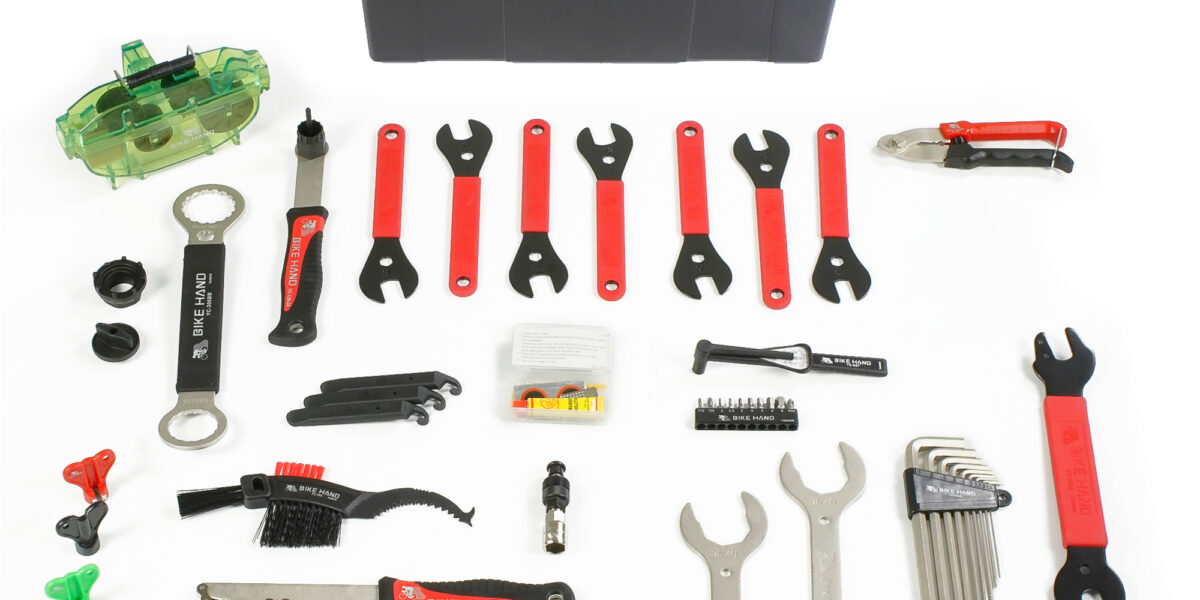
Having the right tools makes bike maintenance easy and helps you avoid costly shop visits. Here are the essentials.

1. Park Tool Bike Repair Stand – Essential Investment

Makes working on your bike 10x easier. The industry standard for home mechanics.

Why it’s great:

  • Holds bike at comfortable working height
  • 360-degree rotation
  • Quick-release clamp
  • Folds for storage
  • Professional-grade stability

Best For: Anyone doing regular bike maintenance

Price: $200-$250


2. Topeak Multi-Tool – For On-the-Go Repairs

Compact tool with everything you need for roadside fixes.

Includes:

  • Hex keys (2-8mm)
  • Torx wrenches
  • Chain tool
  • Spoke wrenches
  • Screwdrivers

Note: Contains affiliate links.

Frequently Asked Questions

How do I choose the right product?

Start by identifying your specific needs and budget. Read reviews from verified purchasers, compare features across multiple options, and prioritize quality over price for items you’ll use frequently. Consider factors like durability, warranty coverage, and brand reputation when making your decision.

What’s a reasonable budget for this purchase?

Budget considerations depend on your usage frequency and performance needs. Entry-level options typically start around $50-$100 and work well for beginners. Mid-range products in the $100-$300 range offer better durability and features. Premium options over $300 provide professional-grade performance and longevity. Invest according to how often you’ll use the product.

Should I buy online or in-store?

Both options have advantages. Online shopping offers better prices, wider selection, and customer reviews to inform decisions. In-store purchases allow hands-on evaluation, immediate availability, and personalized expert advice. For big-ticket items, try in-store first to test, then price-compare online. Most retailers now offer free returns, reducing online purchase risk.

How do I know if reviews are trustworthy?

Look for verified purchase badges, detailed reviews with specific pros and cons, and patterns across multiple reviewers. Be skeptical of extremely positive or negative reviews without details. Check review dates—recent reviews reflect current product quality. Consider professional reviews alongside user feedback for a balanced perspective.

Final Thoughts

Making the right choice requires balancing quality, budget, and specific needs. Take time to research thoroughly, read verified reviews, and consider long-term value over initial price. Quality products often cost more upfront but provide better performance and durability over time, ultimately saving money and frustration.

Remember to keep receipts and documentation for warranty purposes. Many retailers offer generous return policies, so don’t hesitate to exchange products that don’t meet your expectations. Read the manual, follow care instructions, and properly maintain your purchase to ensure years of reliable use.

Frequently Asked Questions

How do I choose the right product?

Start by identifying your specific needs and budget. Read reviews from verified purchasers, compare features across multiple options, and prioritize quality over price for items you’ll use frequently. Consider factors like durability, warranty coverage, and brand reputation when making your decision.

What’s a reasonable budget for this purchase?

Budget considerations depend on your usage frequency and performance needs. Entry-level options typically start around $50-$100 and work well for beginners. Mid-range products in the $100-$300 range offer better durability and features. Premium options over $300 provide professional-grade performance and longevity. Invest according to how often you’ll use the product.

Should I buy online or in-store?

Both options have advantages. Online shopping offers better prices, wider selection, and customer reviews to inform decisions. In-store purchases allow hands-on evaluation, immediate availability, and personalized expert advice. For big-ticket items, try in-store first to test, then price-compare online. Most retailers now offer free returns, reducing online purchase risk.

How do I know if reviews are trustworthy?

Look for verified purchase badges, detailed reviews with specific pros and cons, and patterns across multiple reviewers. Be skeptical of extremely positive or negative reviews without details. Check review dates—recent reviews reflect current product quality. Consider professional reviews alongside user feedback for a balanced perspective.

Final Thoughts

The best purchases are informed decisions backed by research and realistic expectations. Consider your current needs while leaving room to grow. Quality equipment from reputable manufacturers, backed by positive user experiences, rarely disappoints. Take your time, compare options, and choose products that offer the best value for your specific situation.

Remember to keep receipts and documentation for warranty purposes. Many retailers offer generous return policies, so don’t hesitate to exchange products that don’t meet your expectations. Read the manual, follow care instructions, and properly maintain your purchase to ensure years of reliable use.

Jason Michael

Jason Michael

Author & Expert

Jason Michael is a retired U.S. Air Force Lieutenant Colonel and military pilot with over 20 years of service. After his military career, Jason dedicated himself to helping fellow veterans navigate the complexities of higher education benefits. He founded Veteran School Directory to provide comprehensive, accurate information about GI Bill benefits, Yellow Ribbon programs, and veteran-friendly schools. Jason holds a Master's degree in Financial Planning and is passionate about ensuring every veteran has access to the educational opportunities they've earned through their service.

3 Articles
View All Posts