Cycling Glasses: What Actually Matters
Cycling eyewear selection has grown more complex with the lens technologies and price points flying around. As someone who rode for years without cycling glasses, squinting into sun and catching bugs in my eyes, I put in the hours studying what actually matters when I finally got a decent pair. Today, I’ll share the practical breakdown.
Why You Need Them
Probably should have led with this topic, to be honest.
Sun protection: UV damage to eyes is real.
Wind protection: Fast descents dry out eyes and blur vision. Glasses create a barrier.
Debris protection: Bugs, dust, gravel. One pebble at 30mph ruins your day.
Better visibility: Good lenses improve contrast and reduce glare, helping you see hazards.
Lens Options That Matter
Photochromic: Automatically darken in bright light, clear up in shade. Convenient for varying conditions. Worth the cost if you don’t want to swap lenses.
Polarized: Cuts glare from wet roads. Great for bright conditions. Downside: can make ice or wet spots harder to see.
Clear/low-light: For overcast or night riding. Wind and debris protection without darkening vision.
Interchangeable systems: Multiple lenses you swap based on conditions. Versatile but annoying to carry extras.
Fit and Comfort
That’s what makes proper cycling glasses endearing to us performance riders — they stay put when you sweat.
Rubberized nose pads: Grip better when wet.
Adjustable temples: Some premium glasses let you bend arms for custom fit.
Lightweight frames: You’ll forget they’re there.
Ventilation: Prevents fogging when climbing or stopped.
Coverage and Shape
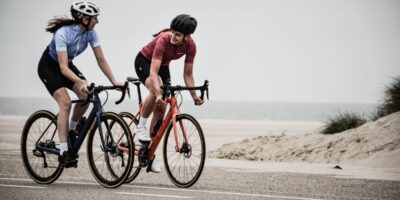
Cycling glasses have large wraparound lenses protecting from wind coming from sides. Fashion sunglasses leave gaps.
Make sure lenses are big enough to see clearly in your riding position. When bent over bars looking up, you shouldn’t be looking over frame tops.
What to Spend
$20-50: Basic protection, decent optics. Fine for casual riding. Tifosi is good value.
$50-100: Better optics, comfortable fit, often interchangeable lenses.
$150-300: Premium optics like Oakley Prizm or Smith ChromaPop. Superior clarity and durability.
Popular Options
Oakley: Industry standard. Prizm lenses genuinely improve visibility. Excellent but expensive.
Tifosi: Best value. Good quality at low prices.
Smith: ChromaPop lenses rival Oakley.
100%: Popular with mountain bikers.
POC: Scandinavian design, good optics.
Prescription Options
Some brands offer inserts clipping behind main lens. Some optical shops make prescription cycling glasses directly. Contact lenses under non-prescription glasses is another option.
Maintenance
Use microfiber cloths only. Rinse with water first if dirty. Store in case when not in use. Replace when lenses get too scratched or frames get loose.
Bottom Line
Any cycling-specific glasses beat regular sunglasses or nothing. Start affordable with Tifosi or similar, upgrade if you want better optics. The expensive stuff is genuinely better, but budget options work fine for most riders.


Subscribe for Updates
Get the latest cycling nutrition hub updates delivered to your inbox.
We respect your privacy. Unsubscribe anytime.