Unbound Gravel: What It’s Actually Like
Gravel racing information has gotten messy with all the event hype and marketing flying around. As someone who watched Unbound videos for years before finally signing up, I sat down and learned what the Flint Hills actually demand.
Thought I knew what to expect. The terrain still surprised me. Here’s what prospective riders should actually know.
The Course
Probably should have led on this subject, in fairness. Unbound offers multiple distances – 25, 50, 100, 200, and XL (350 miles). The 200-mile race gets the attention, but each distance is a legitimate challenge.
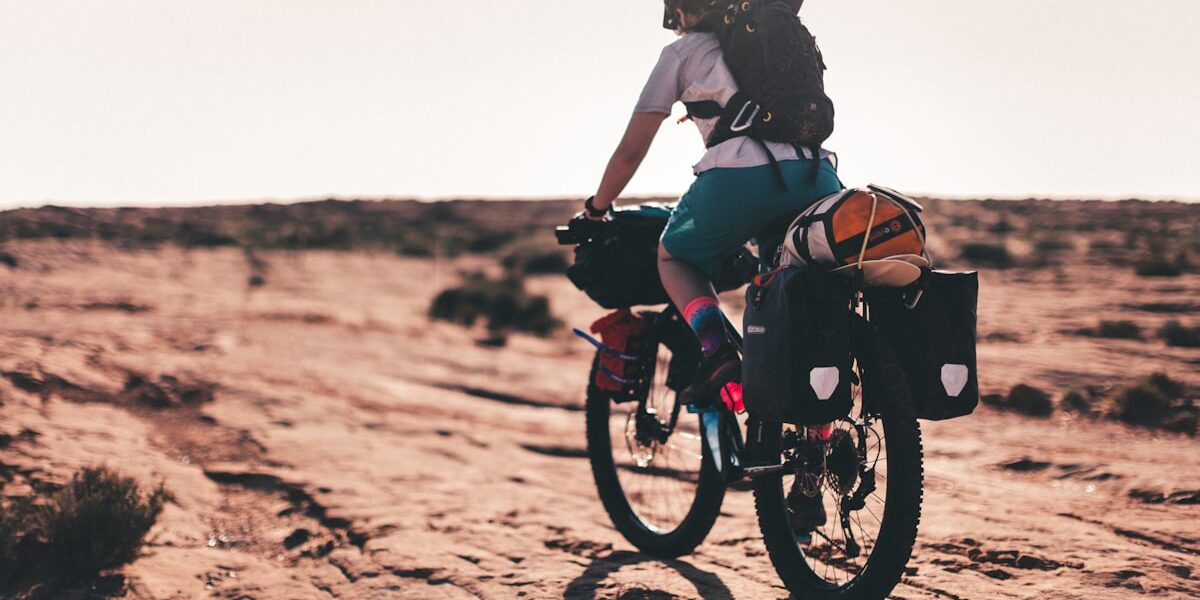
The terrain is the Flint Hills of Kansas. Rolling grassland that never stops rolling. The roads are unpaved, ranging from packed gravel to chunky rock to rutted dirt. After rain, they become something else entirely – greasy mud that clogs drivetrains and adds hours to finish times.
The hills never end. No big climbs, just constant up and down. Death by a thousand cuts to your legs.
The Lottery System
Registration happens through a lottery. Demand far exceeds spots. Enter in January, hope for the best. Some people get in first try; others wait years.
If you’re serious about racing, enter every year. Eventually you’ll get in.
Weather Roulette
Kansas in June can be 95 degrees with brutal sun or 55 degrees with sideways rain. Sometimes both in the same day. The wind is constant.
Check the forecast obsessively leading up to race day, but prepare for anything. Heat management, rain gear, wind strategies – you need contingencies for all of them.
What the 200-Miler Demands
Expect 11-17 hours of riding depending on fitness and conditions. That’s a full day on a bike, through varied terrain, often in challenging weather.
Self-sufficiency matters. There are aid stations, but they’re spread across 200 miles. Carry nutrition, carry tools, carry the expectation that you’ll solve problems yourself.
Mechanical issues end races. Tires fail, chains break, derailleurs get destroyed by rocks. Robust equipment and basic repair skills are non-negotiable.
Training Approach
Long rides on gravel. Lots of them. Your body needs to know what 8+ hours in the saddle feels like before attempting 12+.
Specificity helps. If you can train on chunky gravel, do it. Road miles count but they don’t prepare you for the vibration and bike handling demands.
Heat adaptation matters if you’re coming from a cooler climate. June in Kansas is real summer weather.
Equipment
Gravel bikes with 40mm+ tires are standard. Many run 45-50mm for the chunk. Tire choice is crucial – something that handles rock and rolls reasonably fast on the packed sections.
Carry capacity for food and water. Frame bags, saddle bags, whatever works. You need to be able to fuel continuously.
Lights for anyone who might be out after dark. Even strong riders sometimes need them.
The Community
Emporia shows up for this event. The town embraces it. Volunteers are everywhere. Spectators line the start/finish. Local businesses support riders all week.
Other racers range from pros to weekend warriors. The front of the race is serious competition. The back is survival mode. Both experiences are valid.
What I Learned
That’s what makes Unbound endearing to us gravel riders who’ve experienced it. Pacing is everything. Go out too fast and you pay for it in the final 50 miles when everything hurts and the hills won’t stop.
Eat before you’re hungry, drink before you’re thirsty. By the time you feel depleted, it’s too late to recover.
The worst moments pass. Around mile 150, I wanted to quit. Kept pedaling. Finished. That’s how it goes for most people.
Unbound is a sufferfest with a great atmosphere. If that appeals to you, it’s an event worth chasing.


Subscribe for Updates
Get the latest cycling nutrition hub updates delivered to your inbox.
We respect your privacy. Unsubscribe anytime.