Commuter Bikes: Finding the Right One for Your Ride
Commuter bike options have gotten messy with all the categories and features flying around. As someone who’s commuted by bike for years across different cities, I figured out how to handle what actually works for daily riding after starting with the wrong setup.
My first commuter was a road racing setup that made me show up to work drenched in sweat and hunched over like I’d just finished a criterium. Learned the hard way that commuter bikes are their own category for good reason.
The Main Types
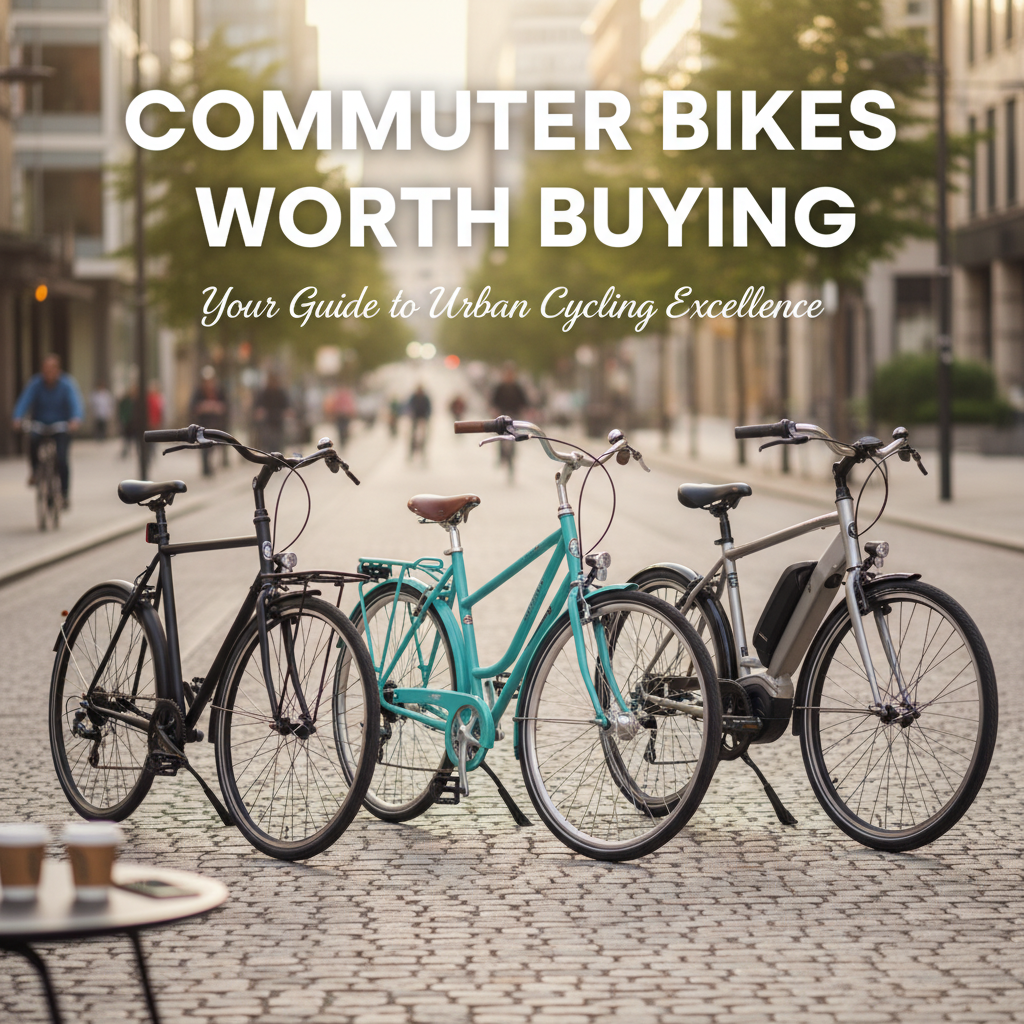
Probably should have led on this subject, in fairness. Hybrid bikes work for most people. Flat handlebars for an upright position, medium-width tires that handle pavement and light gravel, usually around 20-30 pounds. You can see traffic, you’re comfortable, you don’t need Lycra. The Trek FX and Giant Escape are the standards here.
Road bikes make sense if your commute is long and you want speed. Drop bars, narrow tires, efficient geometry. But you’ll arrive sweaty from the aggressive position, and the skinny tires hate potholes and debris. Only choose this if speed matters more than arrival condition.
Folding bikes solve specific problems. Need to take the train partway? Live in a tiny apartment? These fold down to carry-on size. The Brompton is the gold standard – expensive but incredibly well-designed. Cheaper folders exist but quality varies wildly.
E-bikes have changed commuting. Motor assistance means you can ride farther without arriving soaked. Hills become manageable. You might actually want to ride on Monday morning instead of driving. The trade-off is weight – most e-bikes are 40-50+ pounds, which matters if you need to carry them up stairs.
What Actually Matters
Fenders are non-negotiable for year-round commuting. One wet day without them and you’ll understand. Your back gets soaked, water sprays up into your face, your bike becomes filthy. Full fenders, not clip-ons that barely work.
Rack mounts let you carry stuff without a sweaty backpack. A rear rack with a pannier holds your laptop, lunch, change of clothes. Way more comfortable than carrying everything on your body.
Lights – not the tiny blinkers, but actual lights that let you see and be seen. Commuting means riding in darkness at some point. Good lights are safety equipment, not accessories.
Puncture-resistant tires like Schwalbe Marathons save you from the glass and debris that commuter routes accumulate. Nothing worse than a flat when you’re already running late.
Gearing Considerations
Flat terrain? Single-speed or internal hub gears work great. No derailleurs to maintain, cleaner look, less to go wrong. I ran a single-speed in Chicago for three years with zero drivetrain issues.
Hills? You need gears. An 8-speed internal hub or basic derailleur setup handles most urban elevation changes without complexity. You don’t need 22 speeds for commuting.
Budget Reality
$400-700 gets you something decent new. The Giant Escape 3, Trek FX 1, or Specialized Sirrus 1.0 all work fine at this range. Basic components but reliable enough for daily riding.
$800-1200 upgrades everything – better brakes, smoother shifting, lighter weight. This is where commuting becomes genuinely pleasant rather than just functional.
Used bikes can be excellent value. A 3-year-old mid-range bike often costs half what it did new and has plenty of life left. Check Craigslist, Facebook Marketplace, or local bike co-ops.
Basic Maintenance That Matters
Check tire pressure weekly. Low pressure means more flats and harder pedaling. Takes 30 seconds with a floor pump.
Lube your chain monthly, or more if you ride in rain. A dry, squeaky chain wears out quickly and shifts poorly. Wipe off excess – it should look slightly wet, not dripping.
Keep your brakes adjusted. If you’re pulling the lever to the bar before stopping, something needs attention.
Get a tune-up annually if you’re not mechanically inclined. Bike shops catch issues before they strand you.
The Real Advice
That’s what makes commuter bikes endearing to us daily riders who depend on them. Don’t overthink this. A basic hybrid with fenders and a rack handles 90% of commuting situations. Start there, ride for a few months, then decide if you need something different. Most people don’t.
The best commuter bike is the one you actually ride. Fancy features mean nothing if the bike sits in your garage because it’s too complicated or uncomfortable. Keep it simple, keep it reliable, keep riding.


Subscribe for Updates
Get the latest cycling nutrition hub updates delivered to your inbox.
We respect your privacy. Unsubscribe anytime.