Saddle Sores: Prevention and What to Do When You Get One
Saddle sore prevention has shifted noticeably with all the product recommendations and contradictory advice flying around. As someone who ignored saddle sores for too long on a bikepacking trip, I worked through the fundamentals of why you shouldn’t just push through.
Figured I’d tough it out. By day three I could barely sit on the bike. Ended up with an infected sore that needed antibiotics and two weeks off the bike. Don’t be me.
What They Actually Are
Probably should have led on this point, to be plain. Saddle sores is a catch-all term covering several problems. Chafing from friction. Folliculitis (infected hair follicles). Proper sores or boils from pressure and bacteria. They all happen where your body meets the saddle, and they all make riding miserable.
Most start with broken skin – friction damage, an ingrown hair, a pressure point that finally gives. Bacteria gets in, things escalate.
Why They Happen
Friction: Repetitive motion, thousands of pedal strokes, skin rubbing against chamois or saddle. Add sweat and it gets worse.
Pressure: Your body weight concentrates on a small area. Constant pressure reduces blood flow and damages tissue.
Moisture: Wet skin is weaker skin. Sweat-soaked chamois creates the perfect environment for problems.
Bacteria: Your chamois becomes a bacterial breeding ground on long rides. That bacteria finds any opening in your skin.
Prevention Basics
Quality shorts with a good chamois: Don’t cheap out here. A proper cycling chamois reduces friction and wicks moisture. Seams should be flat or positioned away from pressure points. Ill-fitting shorts cause more problems than they solve.
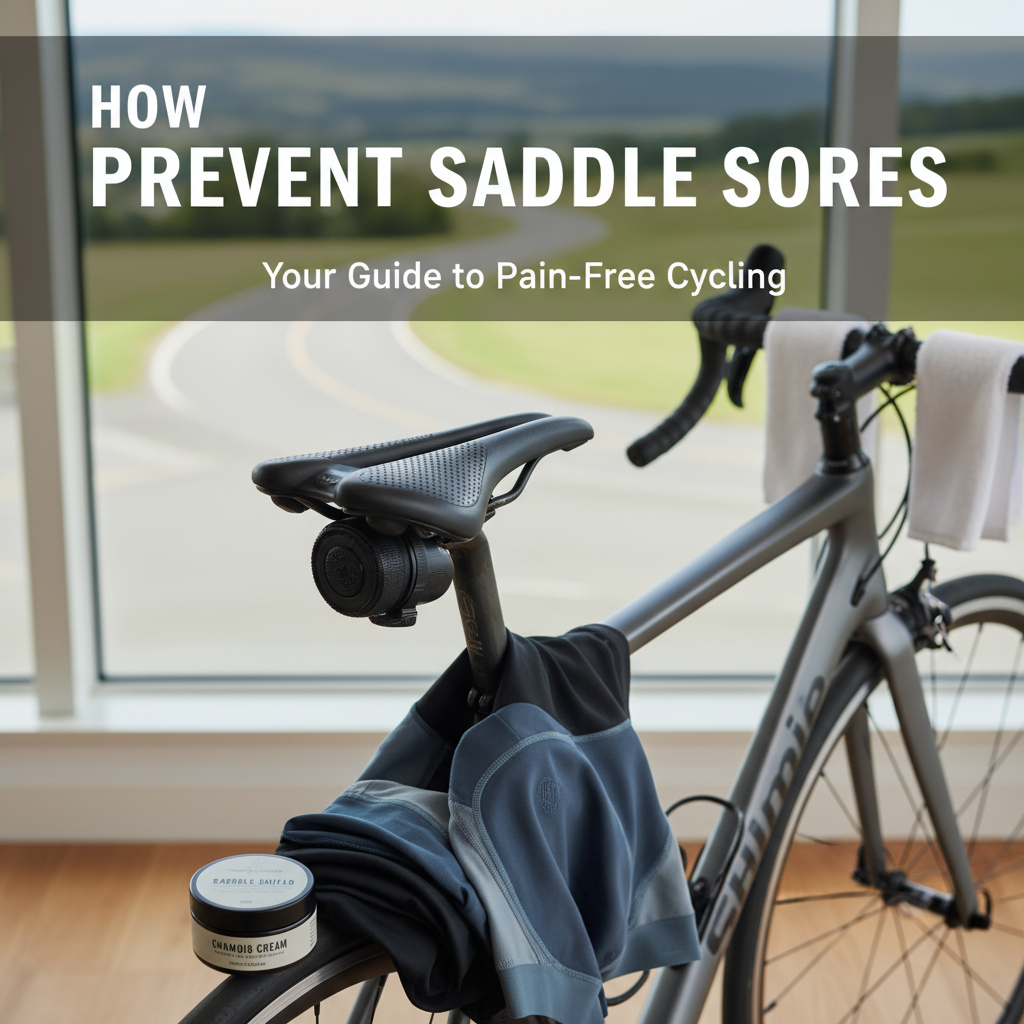
Chamois cream: Creates a barrier between skin and fabric, reduces friction, has antibacterial properties. Apply directly to skin or to the chamois pad. Use it for any ride over an hour, maybe less if you’re prone to problems.
Get out of your kit immediately after riding: That wet chamois is a bacterial petri dish. Shower as soon as possible. Don’t sit around in cycling shorts after a ride.
Never rewear shorts without washing: Seems obvious but people do it. Every ride gets a fresh pair.
Proper saddle fit: A saddle that doesn’t match your anatomy creates pressure points. Those pressure points become sores.
Riding Habits That Help
Stand up periodically on longer rides. Every 15-20 minutes, get off the saddle for a few seconds. Relieves pressure, lets blood flow return, gives your skin a break.
Shift position slightly throughout your ride. Don’t lock into one exact spot on the saddle. Small movements distribute pressure differently.
Build saddle time gradually. If you haven’t been riding much, your skin isn’t conditioned. Ramping up too fast invites problems.
When You Get One Anyway
Minor irritation: keep the area clean and dry, apply a thin layer of antibacterial ointment, take a day or two off the bike if possible. Most minor issues resolve quickly with basic care.
Developing sore: clean thoroughly, don’t pick at it or try to pop it, consider taking a few days off riding. An over-the-counter hydrocortisone cream can reduce inflammation. Monitor closely.
Infected sore (increasing redness, warmth, pus, fever): see a doctor. You might need antibiotics. Continuing to ride on an infected sore makes everything worse and risks serious complications.
The Hard Truth About Healing
Saddle sores heal best when you’re not sitting on them. Taking time off the bike is often the fastest path back to the bike. Pushing through usually prolongs the problem.
If you absolutely must ride with a developing sore, use a generous amount of chamois cream, keep the area as clean as possible, and stop if it’s getting worse.
Long-Term Fixes
That’s what makes saddle comfort endearing to us cyclists who’ve dealt with these problems. If sores keep happening, something systematic is wrong.
Get a proper bike fit. Saddle height, angle, and fore/aft position all affect pressure distribution. A few millimeters of adjustment can eliminate chronic problems.
Try different saddles. Your current one might not match your anatomy. Width, shape, padding, cutouts – all these factors matter.
Examine your shorts. Old chamois that’s compressed and stiff causes more friction. Seams might be positioned badly for your body. Sometimes changing shorts brands solves everything.




Subscribe for Updates
Get the latest cycling nutrition hub updates delivered to your inbox.
We respect your privacy. Unsubscribe anytime.