
Cycling Shoes: What Actually Makes a Difference
Cycling shoe decisions have gotten less clear-cut with all the cleat systems and closure options flying around. As someone who rode in running shoes for my first six months of cycling, I sat down and learned why proper cycling shoes made such an immediate difference.
More power, better pedaling efficiency, and my feet stayed put instead of sliding around. Here’s what I’ve learned about choosing the right pair.
The Basic Choice: Clipless or Flats
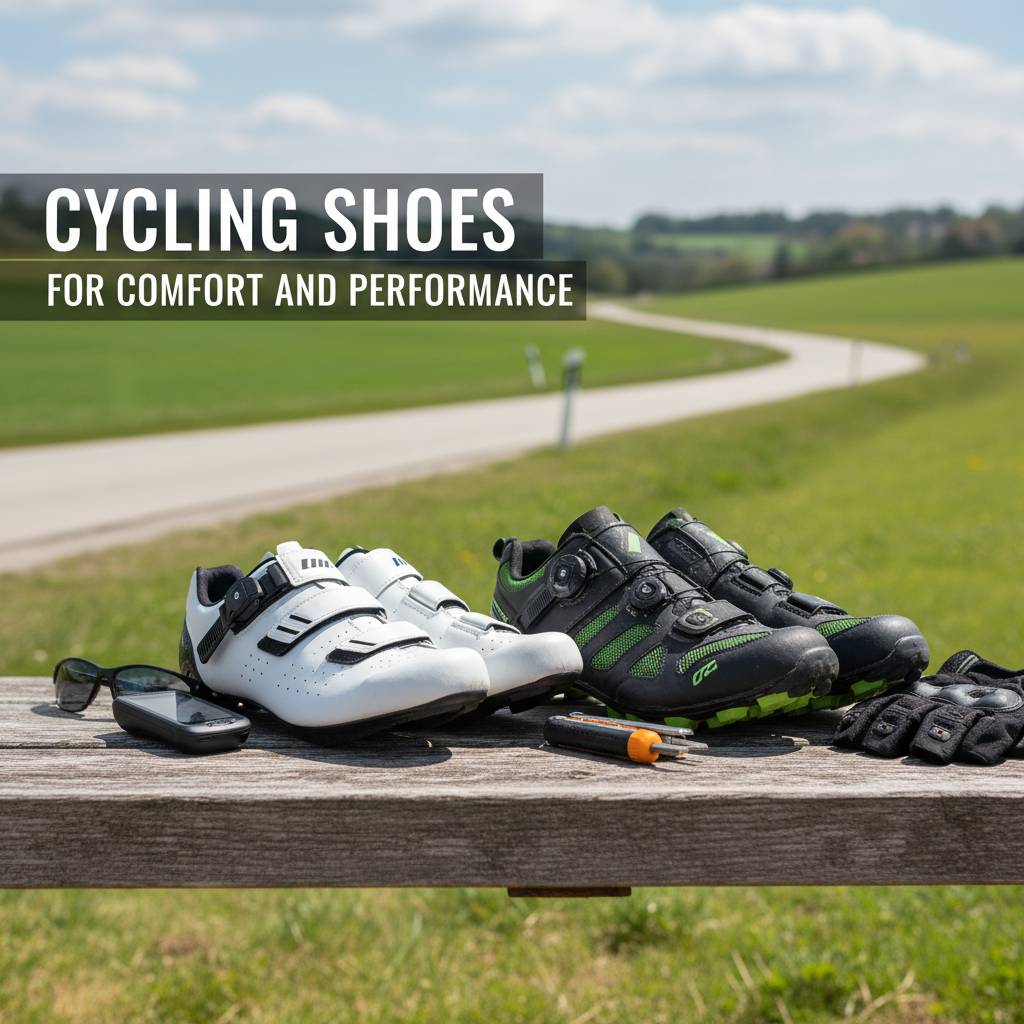
Probably should have led on this subject, in fairness. Clipless shoes lock into your pedals via cleats. Despite the confusing name (they clip IN), they provide the most efficient power transfer because you pull up as well as push down. Every serious road cyclist uses them.
Flat pedal shoes are for mountain bikers who want to bail quickly, or casual riders who prefer walking around normally. They don’t lock in – just sticky rubber that grips the pedal.
For road and serious riding, clipless is the way. For casual cruising and commuting, flats work fine.
Road Shoes
Stiff soles, lightweight construction, three-bolt cleat compatibility (SPD-SL, Look, Time). The stiffness transfers power directly to the pedal instead of flexing.
Walking in road shoes is awkward because the cleats protrude from the bottom. You’ll shuffle around coffee shops and bathrooms. This is the tradeoff for optimal pedaling efficiency.
Carbon fiber soles provide maximum stiffness at minimum weight but cost more. Composite soles are slightly heavier and less stiff but much cheaper. For most recreational riders, composite is fine.
Mountain Bike Shoes
Two-bolt cleats (SPD) that recess into the sole, so you can actually walk. Grippier soles with tread patterns. Often more durable construction to handle trail abuse.
If you’re mountain biking, these are essential. But plenty of gravel riders and commuters use MTB shoes too because the walkability is worth the slight efficiency tradeoff.
Closure Systems
BOA dials: Twist to tighten, pull to release. Easy micro-adjustments while riding. More expensive but very convenient. Some shoes have two dials for better fit customization.
Velcro straps: Simple, reliable, easy to adjust. Not as precise as BOA but works fine and is easier to replace if damaged.
Laces: Classic look, comfortable fit, but can come untied or snag on chainrings. Some shoes use lace covers to prevent snagging.
Ratchet buckles: Common on older or budget shoes. Work fine but feel dated compared to BOA.
I’ve used all of them. BOA is my preference for road, velcro for MTB.
Fit Matters More Than Features
A perfectly fitted mid-range shoe beats a poorly fitting high-end shoe every time. Your foot shouldn’t slide around but also shouldn’t have pressure points. Width varies between brands – some run narrow (Specialized), others wider (Shimano).
Feet swell during long rides, especially in heat. A shoe that feels perfect in the store might feel tight after two hours. Some room to expand is good.
Try shoes on with the socks you’ll actually ride in. Cycling socks are thinner than regular socks.
What I Ride
That’s what makes finding the right cycling shoes endearing to us riders who’ve gone through the learning curve. Road: Shimano RC7. Carbon sole, BOA closure, reasonable price. Stiff enough for fast riding without spending S-Works money.
Mountain: Giro Terraduro. SPD compatible, walkable sole, durable construction. Nothing fancy but they’ve held up through abuse.
Commuting: Chrome Kursk. Looks like normal sneakers, hidden SPD cleat recess. I can walk into meetings without looking like I’m wearing ski boots.



Subscribe for Updates
Get the latest cycling nutrition hub updates delivered to your inbox.
We respect your privacy. Unsubscribe anytime.