
Cruiser Bikes: The Most Relaxed Way to Ride
Cruiser bike discussions have shifted noticeably with all the style variations and modern updates flying around. As someone whose parents have matching cruisers they use for evening rides around the neighborhood, I dug into the practical details of why not everything has to be fast or competitive.
Sometimes you just want to cruise – upright, relaxed, no rush. That’s what cruisers are for. No Lycra required.
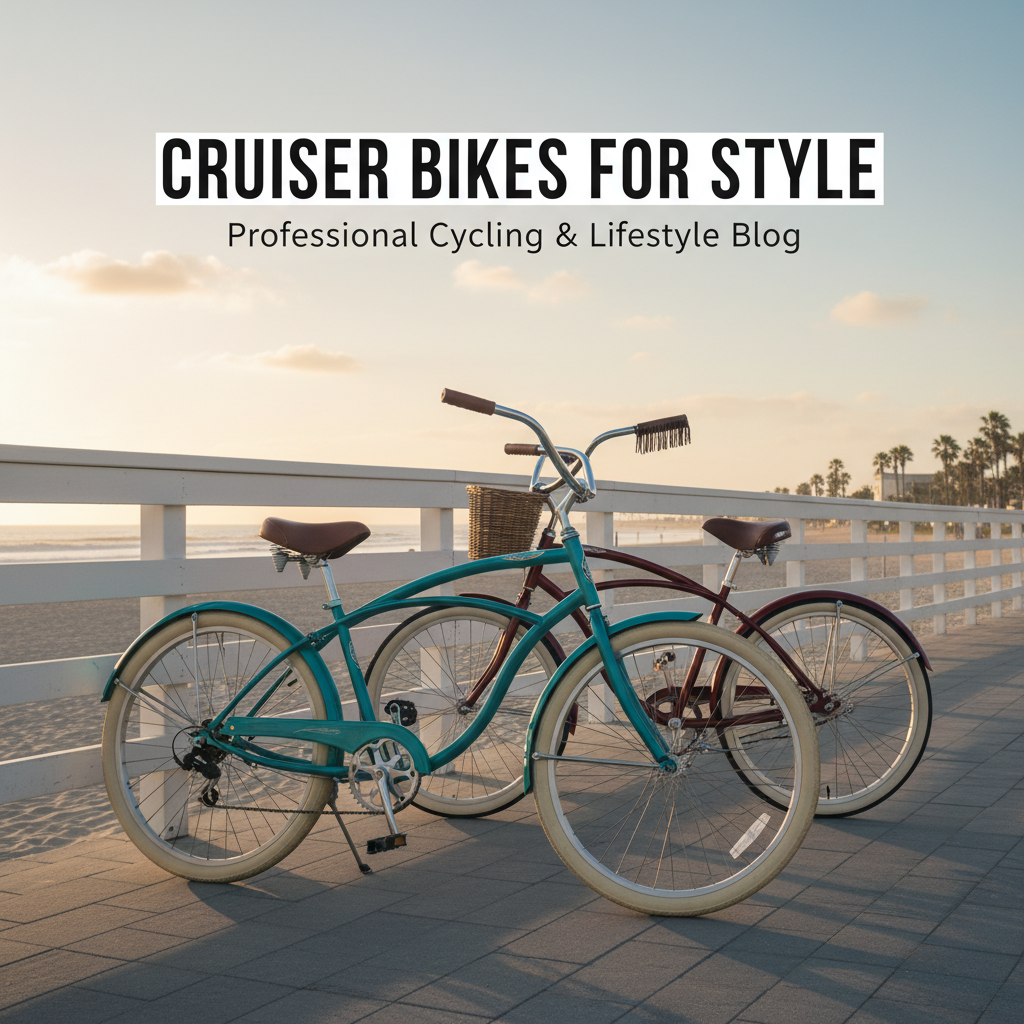
What Makes a Cruiser
Probably should have led on this point, to be plain. Upright seating position with handlebars that curve back toward you. Wide, cushioned saddle. Balloon tires. Single speed or simple gearing. Heavy, sturdy frame that prioritizes comfort over weight.
The geometry puts you sitting straight up, not leaning forward like a road bike. Your back stays neutral, you can look around easily, and the whole experience feels casual.
Who They’re For
Casual riders who aren’t covering serious distances or climbing hills. Beach communities where flat, paved paths dominate. Neighborhood rides where the destination matters more than speed.
Cruisers don’t work well for exercise-focused riding, long distances, or hilly terrain. They’re heavy, the gearing is limited, and the upright position isn’t efficient for sustained effort. But that’s not what they’re for.
Single Speed vs. Geared
Classic cruisers are single speed – one gear, no shifting, no complications. This works perfectly on flat ground. Pedal forward, coast when you want, use the coaster brake (pedal backward to stop).
If you have any hills at all, get a geared cruiser. Usually 3-7 speeds, enough to handle moderate inclines without destroying your knees. The shifting is typically internal hub or simple derailleur.
Quality Range
Cruisers range from $200 department store specials to $600+ quality builds. The cheap ones work but have heavier frames, worse bearings, and components that may not last.
Around $300-400 gets you something decent from Schwinn, Sixthreezero, or Firmstrong – brands that focus on this category. Better quality doesn’t mean lighter (cruisers are inherently heavy) but it does mean smoother riding and longer life.
Comfort Features
The wide saddles are cushioned but still benefit from proper fit. Handlebar grips should be comfortable for relaxed holds. Some cruisers add spring saddles, suspension forks, or extra-wide tires for even more cushioning.
Balloon tires (usually 2+ inches wide) at low pressure absorb a lot of bumps. The ride feels smooth even on less-than-perfect pavement.
Popular Options
Schwinn Perla/Huffy Nel Lusso: Budget-friendly, gets the job done, available everywhere. Not the most refined but functional for casual use.
Sixthreezero Around the Block: Step up in quality. Smooth ride, comes in various speeds. Popular for good reason.
Electra Cruiser 1: Flat Foot Technology lets you put feet flat on the ground while seated. Good for riders who want extra stability and confidence.
Priority Coast: Belt drive instead of chain means zero maintenance. Rust-proof construction. Designed to never need attention, which appeals to casual riders who don’t want to think about maintenance.
Where They Excel
That’s what makes cruisers endearing to us riders who appreciate the laid-back approach. Beach boardwalks. Flat neighborhoods. Short trips to nearby places. Any situation where the ride is about enjoyment, not exercise or transportation efficiency.
They’re also good first bikes for nervous adults. The upright position feels natural and stable. The slow speed reduces anxiety about traffic or control. Don’t buy a cruiser thinking you’ll use it for fitness – you’ll end up wanting something else. Get one if casual riding is genuinely what you want.




Subscribe for Updates
Get the latest cycling nutrition hub updates delivered to your inbox.
We respect your privacy. Unsubscribe anytime.