
Finding a Bike Seat That Doesn’t Hurt
Bike saddle recommendations have gotten messy with all the width measurements and cutout debates flying around. As someone who suffered through three months of discomfort on my first road bike, I figured out how to handle why I could just… change the seat.
Revolutionary concept, apparently. The stock saddle on most bikes is terrible.
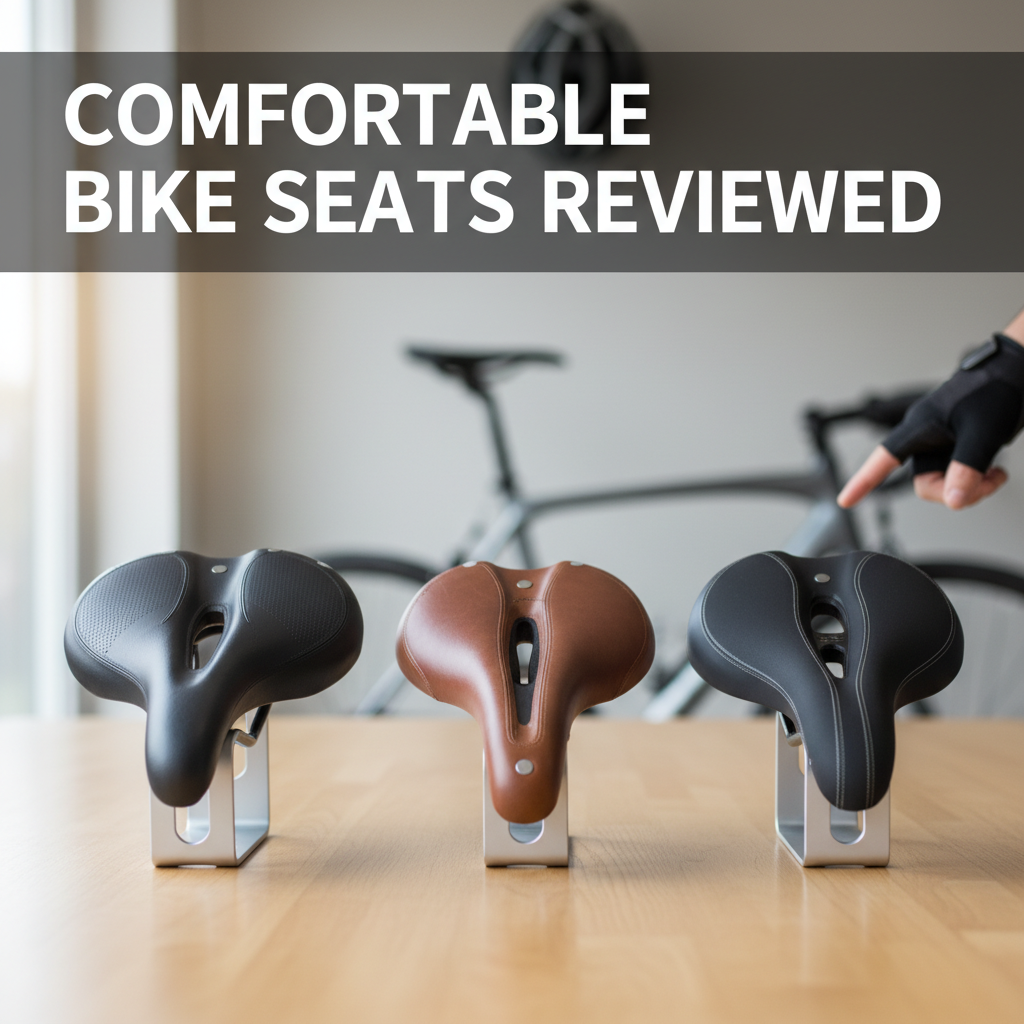
Why Default Saddles Usually Fail
Probably should have led in this part, truthfully. Bike manufacturers put cheap, generic saddles on their bikes because everyone’s anatomy is different. They’re hedging. That saddle might work for someone, but probably not you.
The right saddle depends on your sit bone width, your riding position, your flexibility, and how long you typically ride. A saddle perfect for one person can be torture for another.
Width Matters Most
Your sit bones (ischial tuberosities) should rest on the widest part of the saddle. If the saddle is too narrow, your soft tissue bears weight it shouldn’t. Too wide and your inner thighs chafe against the edges.
Many bike shops have devices to measure sit bone width – basically a piece of memory foam you sit on that shows the indentations. That measurement determines what saddle width you need.
General ranges: narrow saddles (130-135mm) for aggressive positions, medium (140-145mm) for most recreational riders, wide (150mm+) for upright positions.
Padding: More Isn’t Better
This trips up most people. A big, cushy saddle seems like it would be most comfortable. Wrong.
Soft padding compresses under your sit bones and then puts pressure on everything around them. After 30 minutes, that squished padding is pressing on nerves and blood vessels. You’d be better off with less padding that supports your sit bones properly.
Thin, firm padding works better for longer rides. The saddle doesn’t feel as nice in the first 5 minutes but supports you correctly for hours.
Exception: very short, casual rides where you never really settle in. Those big gel cruiser saddles work fine for a 15-minute trip to the grocery store.
Shape and Cutouts
Flat saddles suit riders with good flexibility who rotate their pelvis forward. Curved saddles (higher in the back, lower in the front) suit riders who sit more upright.
Cutouts or channels down the center relieve pressure on soft tissue. Some people need them, some don’t. If you experience numbness, a cutout usually helps. If you don’t, a solid saddle works fine.
Nose width matters too. A wider nose provides stability for climbing out of the saddle but can chafe inner thighs. Narrow noses allow more leg movement but provide less support when standing.
Saddles Worth Trying
Specialized Power: Short nose, wide cutout. Very popular because it works for many body types in moderate positions. The version with MIMIC padding addresses soft tissue pressure specifically.
Fizik Argo: Another short-nose design. Comes in various widths and stiffness levels.
Brooks B17: Leather saddle that molds to your shape over time. Requires break-in and maintenance but devotees swear by them. Not for wet-weather riding.
Selle Italia SLR: Classic racing saddle, minimal padding, narrow profile. Works if you have a flexible, aggressive position.
WTB Volt: Popular for mountain biking. Flat profile, reasonable padding, durable cover.
The Testing Process
That’s what makes saddle comfort endearing to us cyclists who’ve gone through the trial and error. Ideally, your local bike shop lets you try saddles before committing. Some have demo programs or generous return policies.
Give each saddle at least 3-4 rides of normal length. First impressions can be misleading – a saddle might feel weird initially but work great once you adjust, or feel fine in the parking lot but torture you after an hour.
A good saddle disappears – you don’t think about it. If you’re constantly aware of your saddle, something’s wrong.




Subscribe for Updates
Get the latest cycling nutrition hub updates delivered to your inbox.
We respect your privacy. Unsubscribe anytime.