Tour de France Stages: How the Race Actually Works
The Tour de France is three weeks long and covers about 3,500 kilometers across 21 stages. The rider with the lowest combined time wins the yellow jersey. Simple enough on paper — but watching it without understanding what’s actually being contested on a given day makes the race genuinely hard to follow.
Here’s what I wish I’d known before my first July of watching.
The Jerseys Tell You What’s Being Fought For
Yellow jersey: lowest cumulative time, the overall winner. Green jersey: best sprinter, based on points earned at sprint lines. Polka dot jersey: best climber, points at the top of designated climbs. White jersey: best young rider under 26. Teams structure their entire approach around which jersey their riders can realistically compete for. A team with a sprinter is going to race completely differently than a team built around a climber.
Flat Stages
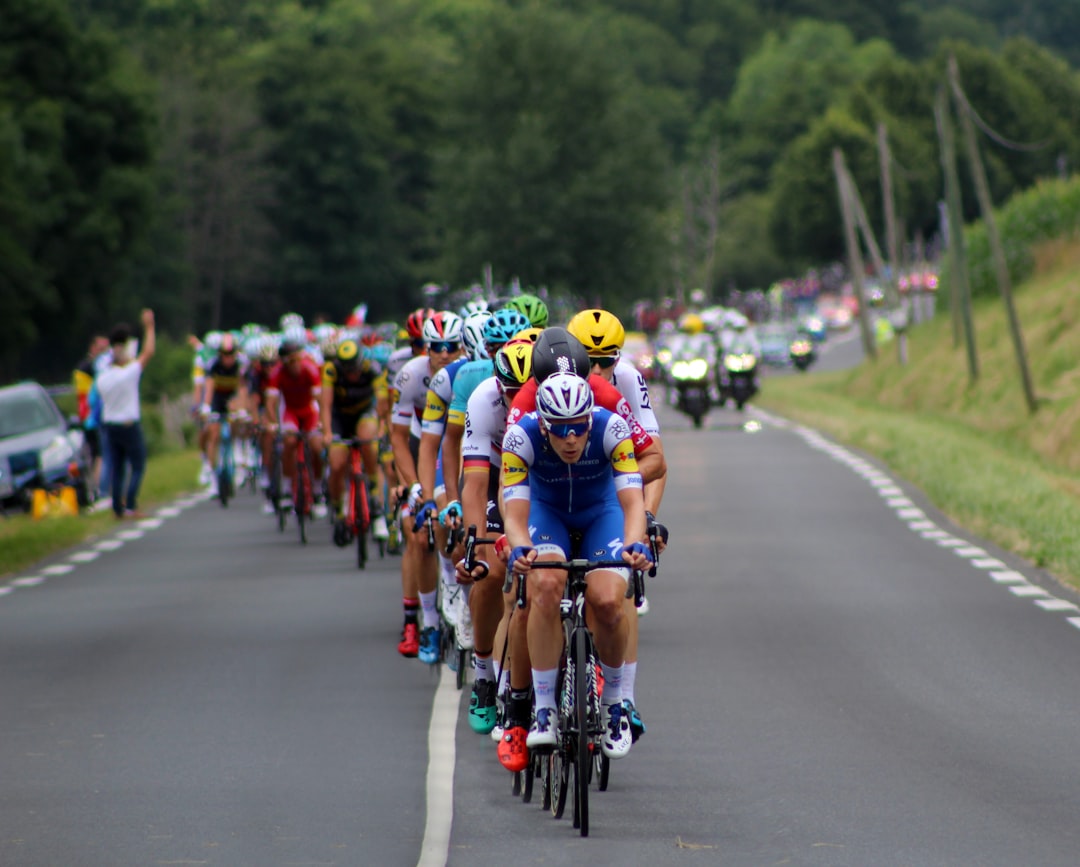
Most of the day looks like nothing. A group of riders attacks early and gets a few minutes gap; the peloton lets it go. Sprint teams set the pace to keep that gap from growing too large. With about 30 kilometers left, the pace picks up and the breakaway gets caught. The final few kilometers are pure positioning chaos, then 200 meters of the fastest riders in the world sprinting at 70+ km/h.
For GC riders, surviving is the job. Flat stages open time gaps only through crashes or crosswinds that split the peloton — both happen more often than you’d expect.
Mountain Stages
This is where the Tour gets decided. The major climbs in the Alps and Pyrenees — Alpe d’Huez, Mont Ventoux, Col du Tourmalet — run 10-20 kilometers at sustained gradients that make the peloton fracture based purely on who can hold the pace and who can’t. Riders who looked identical on flat roads suddenly aren’t. A single bad day on a big climb can cost a GC rider the entire race.
The tactical situation is different here too. GC teams don’t need to chase breakaways that don’t include overall contenders, so breakaway specialists often get a chance to compete for the stage win on days when the favorites are watching each other.
Time Trials
No teammates, no drafting — just each rider against the clock. Aero equipment matters, position on the bike matters, and sustained power output over 30-50 kilometers determines the result. Time trial specialists can overturn substantial GC deficits in a single stage. This is the main reason climbers rarely win the Tour: even if they dominate the mountains, they give back too much time in the TT.
Hilly Stages
The days that don’t fit neatly into the other categories. Rolling terrain with enough climbing to make sprint finishes unlikely, but not the big mountain passes that define GC battles. Punchy attackers do well here. So do breakaways, because nobody has a strong incentive to chase them down.
Rest Days
Two of them, placed after the worst stretches. Riders don’t actually rest — they do easy spins to keep their legs from seizing up. The stage immediately after a rest day is worth paying attention to. Some riders come back sharper; others take a day to find their rhythm again, and the results are often surprising.




Subscribe for Updates
Get the latest cycling nutrition hub updates delivered to your inbox.
We respect your privacy. Unsubscribe anytime.