
Shopping for a Folding E-Bike: What I Learned
Folding e-bike research has gotten less clear-cut with all the specs, reviews, and comparison videos flying around. As someone who spent weeks researching before buying, I figured out how to handle navigating a market where prices range from $600 to $4,000+ without always being clear what you’re paying for.
Read every review, watched comparison videos, visited shops. Here’s what actually matters.
The Weight Problem
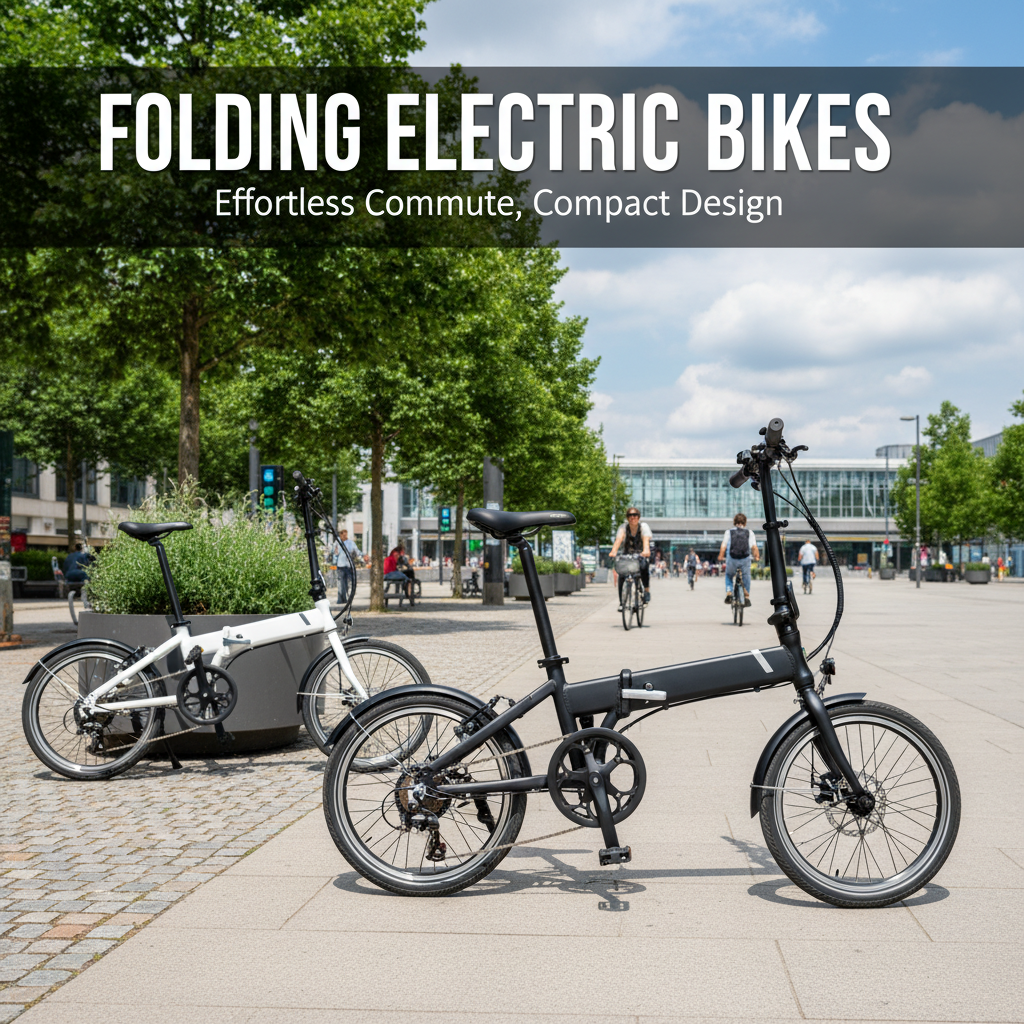
Probably should have led with this topic, to be honest. Every folding e-bike review mentions portability. Few are honest about the weight. Most folding e-bikes weigh 40-70 pounds. That’s heavy.
Can you carry a 50-pound bike up subway stairs? Technically yes. Do you want to do it twice a day? Probably not.
Lighter options exist but cost more. The Brompton Electric at around 38 pounds (bike plus battery) is genuinely portable but costs $4,000+. Cheaper options are heavier. There’s no escaping this tradeoff.
Battery Range Reality
Manufacturers quote range under ideal conditions – flat terrain, moderate assist level, light rider, no wind. Reality is different.
If they claim 45 miles, expect 25-35 in real use. Hills, stop-and-start city riding, higher assist levels – all drain the battery faster. Cold weather reduces capacity too.
Your commute distance matters. If it’s 8 miles round trip, most bikes work fine. If it’s 25 miles, you need careful planning or a larger battery.
Motor Types
Hub motors sit in the front or rear wheel. They’re simpler, cheaper, and adequate for flat commutes. Rear hub motors feel more natural than front ones.
Mid-drive motors sit at the crankset and use your gearing. They feel more like regular cycling, handle hills better, and have better weight balance. They also cost more and require more maintenance.
For mostly flat commuting, hub motors are fine. For hills or if you want a natural ride feel, mid-drive is worth the premium.
Fold Quality Varies Wildly
Some bikes fold elegantly in seconds to a compact package. Others fold technically but clumsily, leaving awkward protrusions and requiring multiple latches.
Brompton remains the gold standard for fold mechanism. Tern does well. Cheaper brands often have functional but fiddly folds that you’ll grow to hate.
Practice folding in the store. If it feels annoying there, it’ll feel worse when you’re rushing for a train.
Price Tiers
Under $1,000: Functional but compromised. Heavy, basic components, limited range. Fine for short, flat commutes if budget is tight.
$1,500-2,500: The practical sweet spot. Decent motors, reasonable range, adequate build quality. Tern Vektron, RadMini, Aventon Sinch live here.
$3,000+: Premium territory. Better materials, lighter weight, refined ride feel. Brompton Electric, Gocycle, high-end Terns.
What I Bought
That’s what makes the folding e-bike research endearing to us commuters who’ve done the homework. Went with a Tern in the middle tier. Heavy enough that I avoid stairs, but rolls easily when folded. Bosch motor handles my commute hills. Range covers my needs with margin to spare.
Could have spent more for lighter weight. Could have spent less for bare functionality. The middle ground works for my actual use. Map your exact commute including any carrying requirements before you buy. The bike price is just the starting point.



Subscribe for Updates
Get the latest cycling nutrition hub updates delivered to your inbox.
We respect your privacy. Unsubscribe anytime.