
Mountain Bikes: Finding the Right Type
Mountain bike categories have changed quite a bit thanks to the travel specs and geometry debates flying around. As someone who bought my first “real” mountain bike without understanding the categories, I got hands-on with why I ended up with an XC race bike and wondered why I couldn’t keep up with friends on technical descents.
The bike matters less than the rider, but getting the right type for your riding helps a lot.
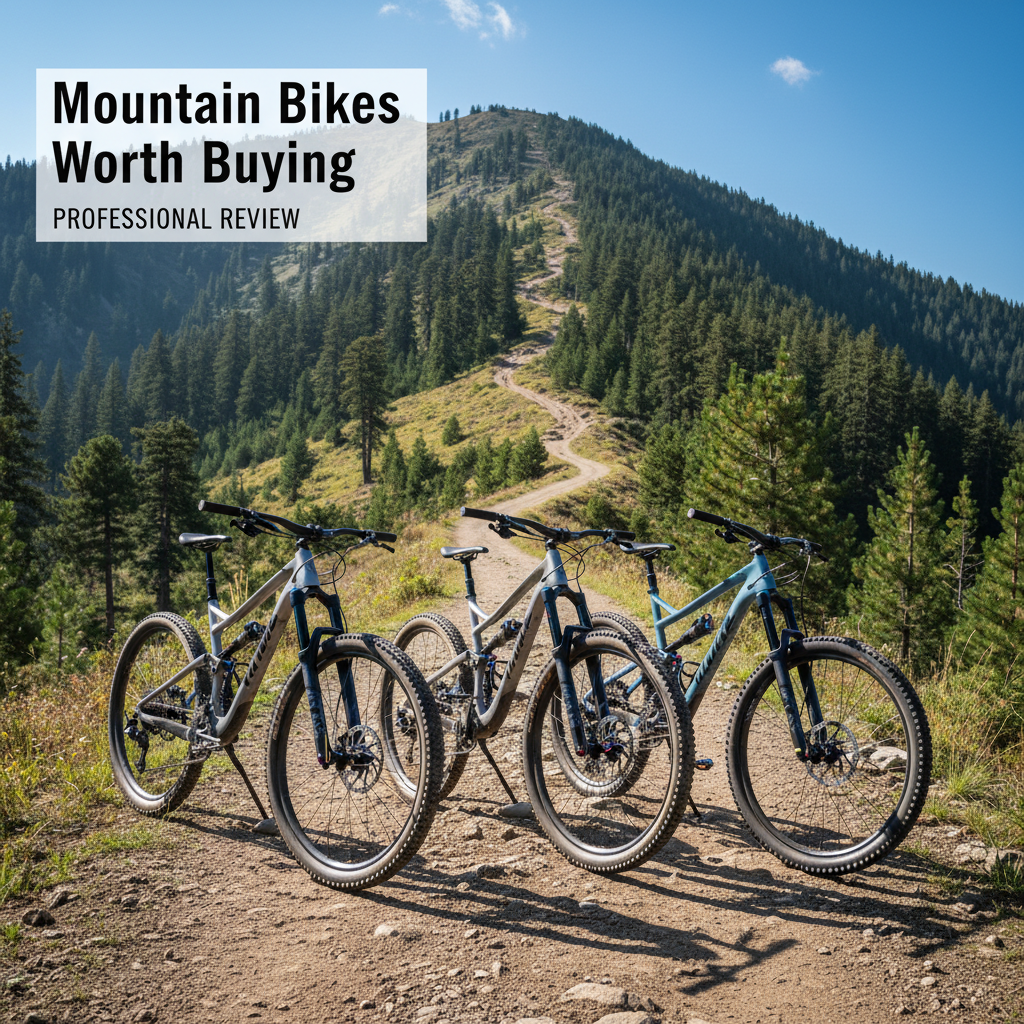
Cross-Country (XC)
Probably should have led in this part, truthfully. Built for speed and climbing efficiency. Lightweight frames, shorter travel suspension (100-120mm), aggressive geometry that puts you forward for pedaling power.
Great for: Racing, fitness riding, trails that favor climbing and speed over technical difficulty.
Not great for: Steep descents, rough terrain, anything where you need the bike to absorb punishment.
Popular options: Specialized Epic, Santa Cruz Blur, Trek Supercaliber. These bikes are fast but unforgiving.
Trail
The versatile middle ground. 120-150mm of travel, geometry balanced between climbing and descending. Most recreational mountain bikers land here.
Trail bikes can climb reasonably well and descend confidently without being specialized at either. They handle a wide range of terrain without feeling out of place.
Great for: Most riders, most trails, people who don’t want multiple bikes for different purposes.
Popular options: Trek Fuel EX, Specialized Stumpjumper, Santa Cruz Tallboy. These are the default recommendation for a reason.
Enduro/All-Mountain
Descended-focused but still pedals uphill. 150-170mm of travel, slacker geometry that provides stability at speed. Heavier than trail bikes but more capable on rough terrain.
Named after enduro racing format where timed stages are primarily downhill but you pedal between them.
Great for: Aggressive trail riding, bike parks, people who prioritize descending but still need to climb.
Popular options: Specialized Enduro, Yeti SB150, Santa Cruz Nomad. Capable and fun but work harder on the climbs.
Downhill
Pure descent machines. 180-200mm+ of travel, slack geometry, dual-crown forks. Built to survive drops, jumps, and the fastest, roughest terrain.
You don’t pedal these uphill – they’re for shuttling or bike parks with lifts. Heavy, burly, and specialized.
Great for: Bike parks, downhill racing, people who have a different bike for everything else.
Hardtail vs Full Suspension
Hardtails have only front suspension. They’re cheaper, lighter, and simpler. Better for learning proper technique because they punish sloppy riding. Good for smoother trails or riders on a budget.
Full suspension bikes have front and rear suspension. More comfortable, more capable, more forgiving. The rear suspension adds weight, cost, and maintenance but makes rough terrain much more manageable.
What I Ride
That’s what makes finding the right MTB endearing to us mountain bikers who’ve figured out our preferences. A trail bike with 140mm travel. Handles my local terrain well, climbs okay, descends confidently. Not racing anyone, just having fun.
Started with that XC bike, upgraded when I understood what I actually wanted. Would have saved money buying the right category first. Look at your local trails and your fitness level before choosing.



Subscribe for Updates
Get the latest cycling nutrition hub updates delivered to your inbox.
We respect your privacy. Unsubscribe anytime.