
Road Bike Tires: What Actually Makes a Difference
Road bike tire recommendations have changed quite a bit thanks to the width debates and rolling resistance comparisons flying around. As someone who spent years running whatever tires came on my bike, I taught myself the working side of why upgrading to quality tires was one of the best investments I ever made.
Finally upgraded and was shocked at the difference. Tires are one of the best bang-for-buck upgrades you can make.
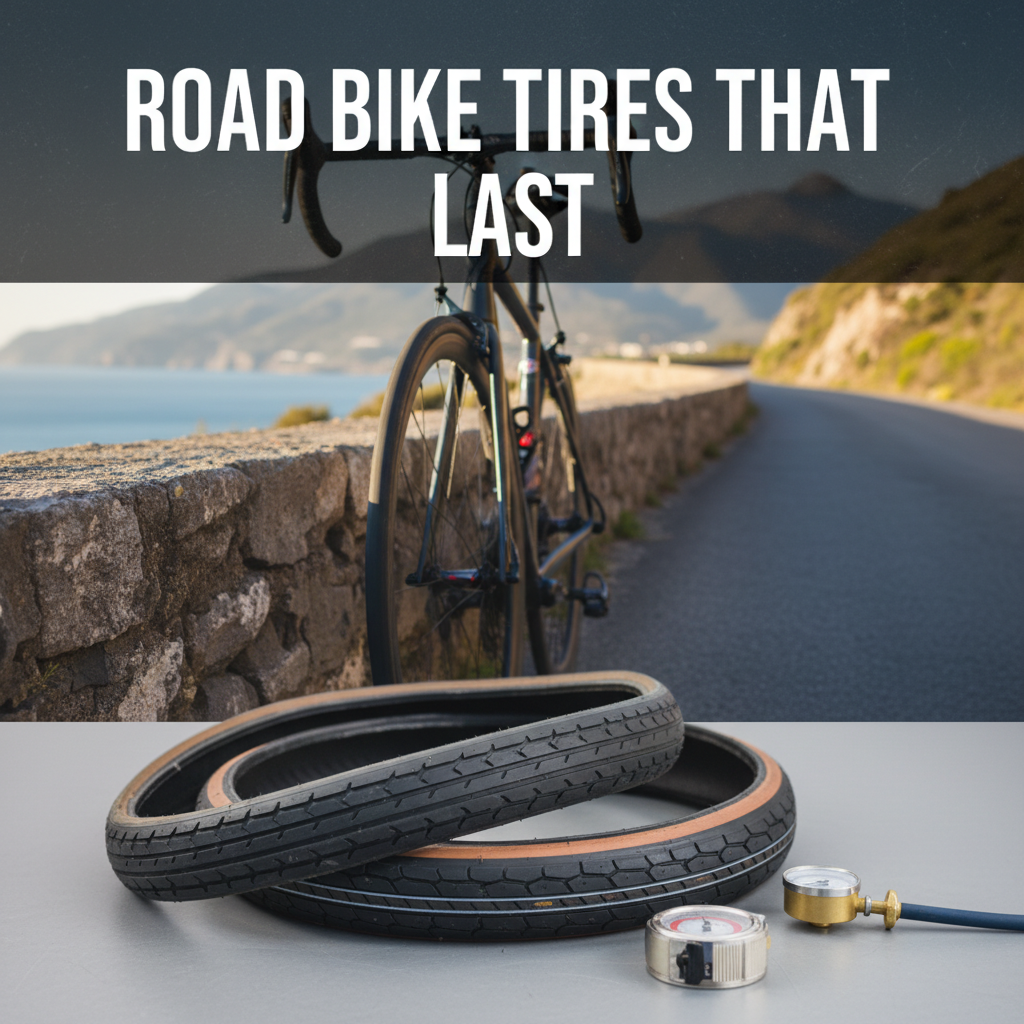
The Three Types
Probably should have led in this case, candidly. Clinchers: Regular tires with a separate inner tube. What most people run. Easy to fix flats, widely available, simple to install. Start here unless you have a reason not to.
Tubeless: Tires that seal against the rim without an inner tube. Sealant inside handles small punctures automatically. Lower pressure capability for better grip and comfort. Slightly more complex setup but increasingly popular.
Tubulars: Tire with tube sewn inside, glued to special rims. Traditional racing choice. Ride quality is excellent but flats are a nightmare. Unless you’re racing at a high level, skip these.
Width: Bigger Is Usually Better
Old wisdom said narrower is faster. Current research says otherwise. Wider tires at lower pressures roll faster on real roads because they absorb bumps instead of bouncing over them.
28mm has become standard for road cycling. 25mm works well too. 32mm for rougher roads or comfort priority. The aero penalty of wider tires is negligible for most riders.
Your frame and brakes set the maximum width. Disc brakes typically clear wider tires than rim brakes.
Tire Pressure
Stop inflating to maximum. The number on the tire sidewall is the maximum, not the ideal. Most riders run pressures way too high.
Lighter riders need less pressure. Rougher roads need less pressure. Comfort and grip improve at lower pressures. The old 120psi standard is outdated for most situations.
General starting point for 28mm tires: 70-85psi front, 75-90psi rear, adjusted for rider weight and conditions. Experiment from there.
What Makes a Good Tire
Rolling resistance: How much energy the tire eats. Lower is faster. Measured in watts lost at a given speed. Quality tires have significantly lower rolling resistance than cheap ones.
Grip: Matters in corners and wet conditions. Rubber compound determines this. Softer compounds grip better but wear faster.
Puncture resistance: Protection layers in the tire reduce flats. More protection usually means more weight and worse ride feel. Tradeoffs exist.
What I Run
That’s what makes tire selection endearing to us road cyclists who’ve tested different options. For training: Continental GP 5000 in 28mm. Excellent all-around tire – fast, good grip, reasonable puncture resistance, durable enough. The default recommendation for a reason.
For rough roads: Schwalbe Pro One tubeless in 28mm. The tubeless setup handles debris better, and running lower pressure improves comfort dramatically.
For winter: Continental 4-Seasons. Accepts more abuse, better wet grip, stronger puncture protection. Heavier and slower but survives bad conditions.



Subscribe for Updates
Get the latest cycling nutrition hub updates delivered to your inbox.
We respect your privacy. Unsubscribe anytime.