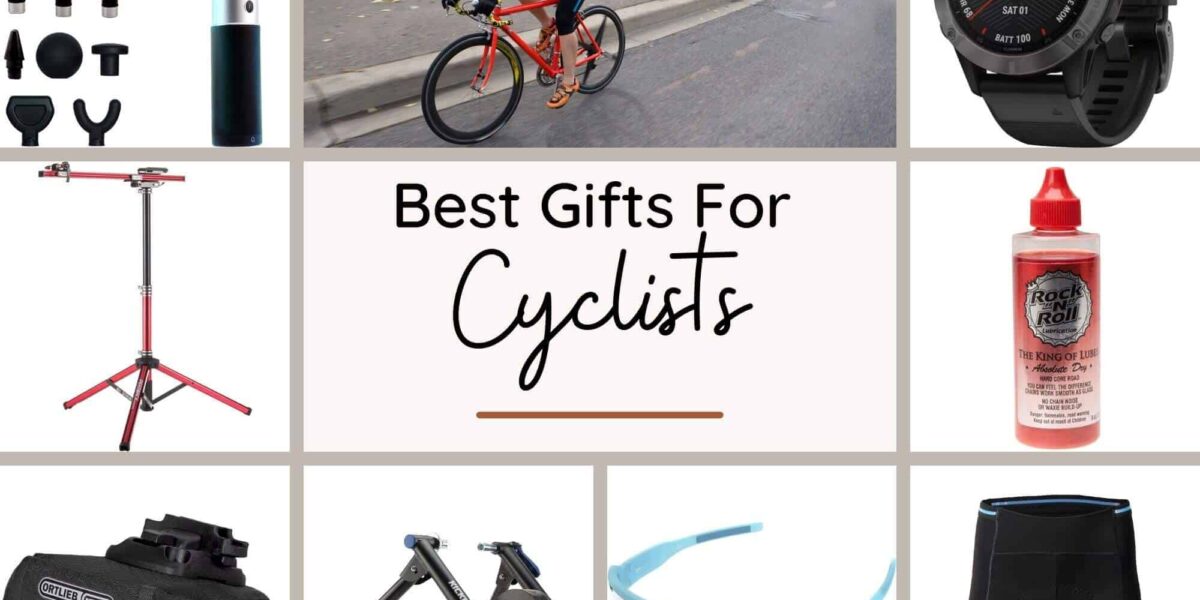
Tubeless Bike Tires: Making the Switch
Tubeless tire debates have become tricky with all the sealant recommendations and setup horror stories flying around. As someone who resisted switching for years because it seemed too complicated, I spent real time learning the ins and outs of why tubeless has become the standard for serious cyclists.
Their benefits over traditional clincher tires make them worth the initial learning curve.
How They Work
Probably should have led with this topic, to be honest. Tubeless tires form an airtight seal with the rim of the wheel – no inner tube required. This seal is achieved with a combination of a special rim, tire, and liquid sealant. The tire fits snugly on the rim, preventing air from escaping.
Key Benefits
Reduced Risk of Flats
Tubeless tires are less prone to punctures. With no inner tube to pinch, pinch flats are eliminated. The liquid sealant inside can seal small holes almost instantly – you often don’t even notice punctures that would have stranded you with tubes.
Lower Rolling Resistance
Without an inner tube, there’s less friction between tire components. This reduction translates to better speed and less effort while riding.
Improved Ride Quality
Tubeless setups allow for lower tire pressures without risking pinch flats. Lower pressures increase tire contact with the ground, offering better traction and a smoother ride. This is especially valuable on rough terrains.
Installation Process
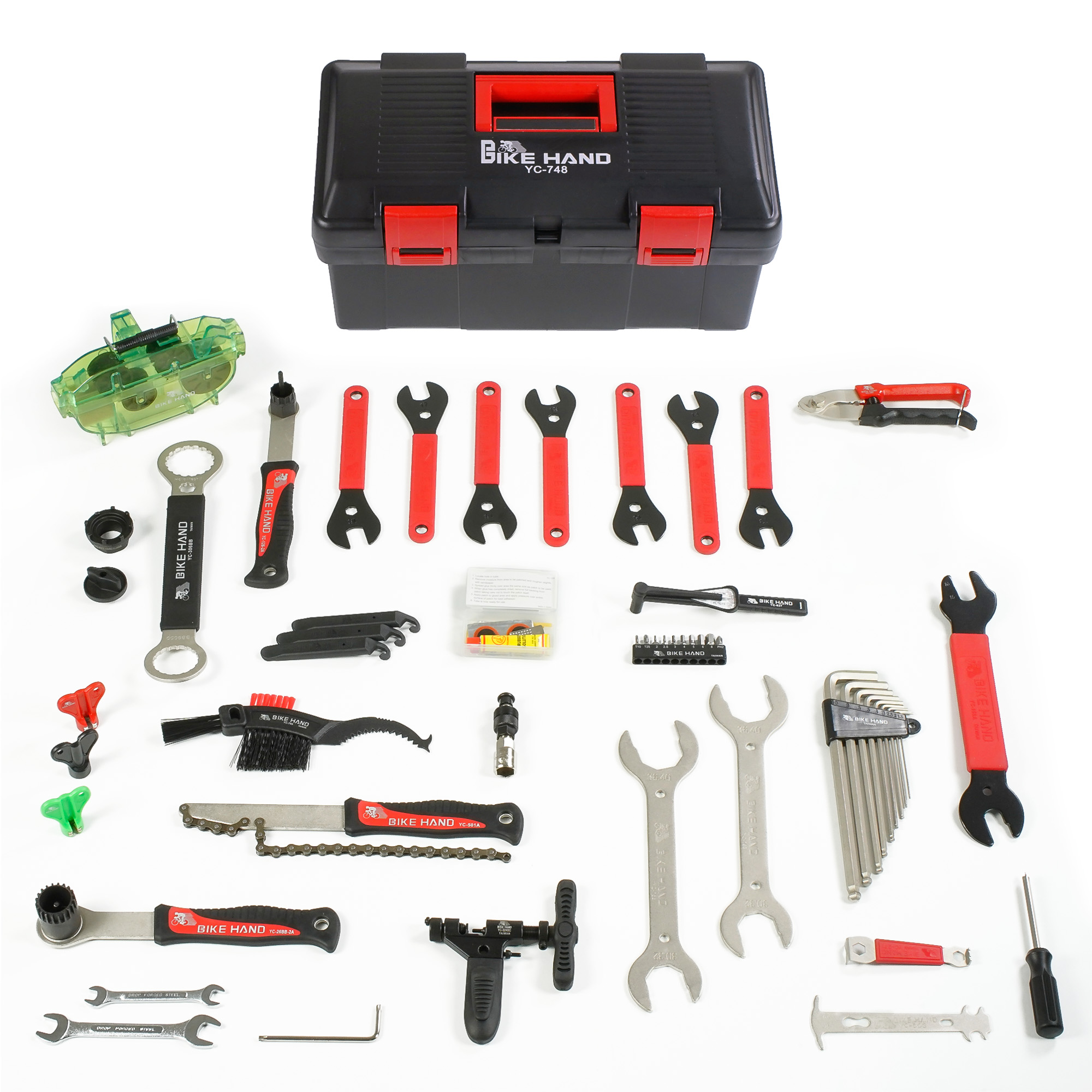
Setting up tubeless takes patience but is rewarding. Ensure your rims are tubeless-ready. Install tubeless rim tape to create an airtight seal. Insert a tubeless valve stem. Mount one side of the tire, add sealant (2-4 ounces typically), finish mounting, then use an air compressor or high-volume pump to seat the beads.
Maintenance Tips
Tubeless tires require occasional maintenance. Sealant dries out over time – check levels every few months and top up as needed. Inspect tires for cuts or wear. Clean both tire and rim during tire changes to maintain good seal.
Common Issues
Difficulty sealing: Ensure rim tape is properly applied, valve stem is tight, and try soapy water around the bead. A compressor helps seat stubborn beads.
Burping (air loss): Usually caused by tire bead breaking from rim during aggressive riding. Slightly higher pressure can prevent this.
The Verdict
That’s what makes tubeless endearing to us cyclists who’ve made the switch. Both tubeless and tubed tires have their place. Tubeless offers reduced flat risk, lower rolling resistance, better traction – but requires more complex setup and regular sealant maintenance.
For riders doing any significant mileage, especially on gravel or rough roads, tubeless is worth the investment and learning curve.


Subscribe for Updates
Get the latest cycling nutrition hub updates delivered to your inbox.
We respect your privacy. Unsubscribe anytime.