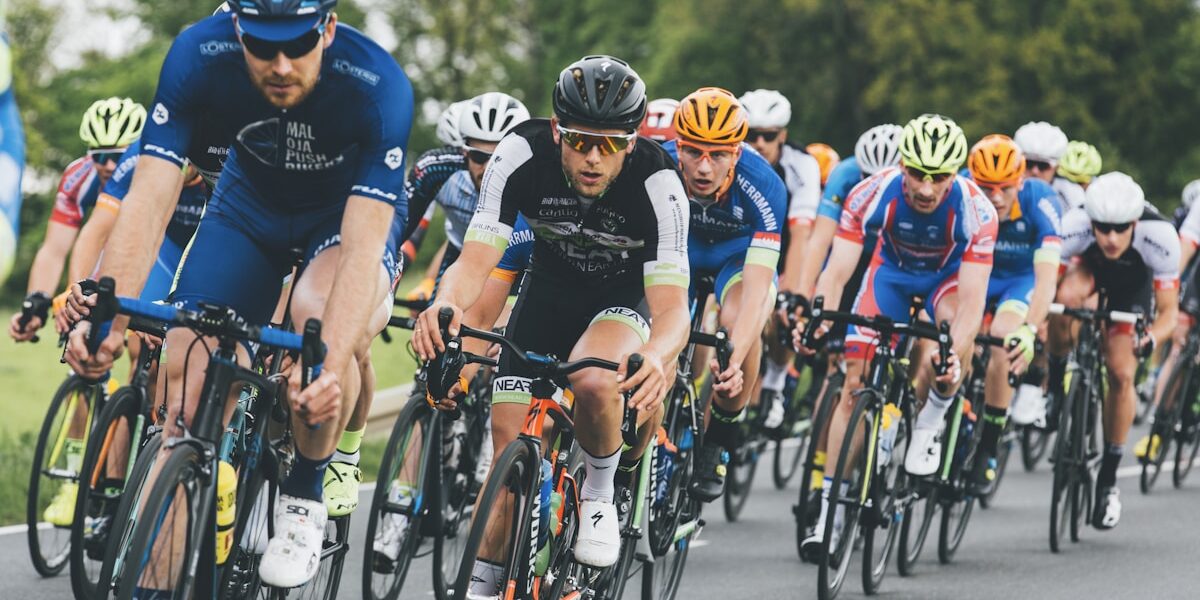
Your First Road Bike: A No-Nonsense Guide
First road bike decisions have become tricky with all the frame materials, groupset tiers, and geometry options flying around. As someone who went through this process and watched countless friends make similar decisions, I dug into the practical details of what actually matters when buying your first road bike.
Don’t Overthink the Frame Material
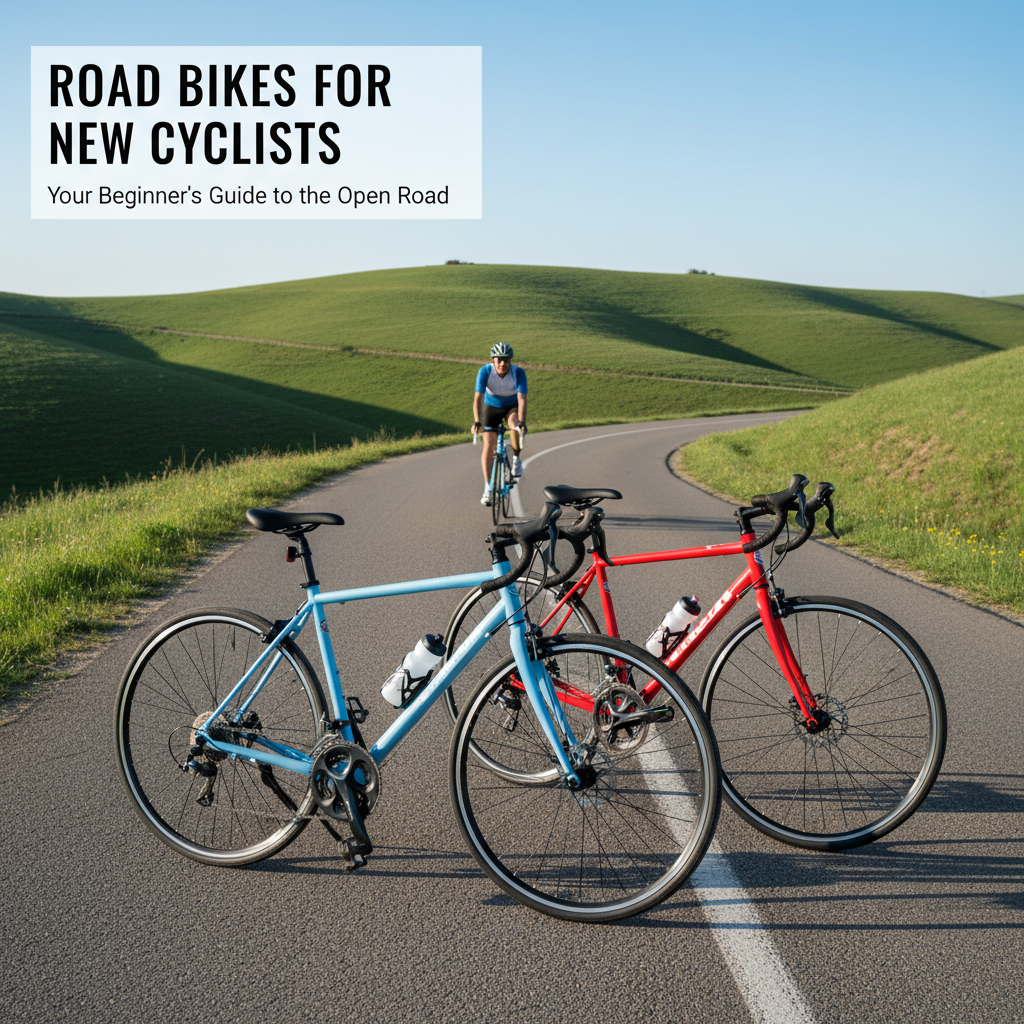
Probably should have led about this area, honestly, because frame material confusion stops many buyers cold. Aluminum works. Get aluminum. It’s light enough, stiff enough, and affordable. Carbon fiber is nicer but costs $1000+ more for benefits most beginners won’t notice.
Steel rides smooth but adds weight. Titanium is lovely and expensive. For your first road bike? Aluminum.
The Groupset Matters Less Than You Think
Shimano Claris, Sora, Tiagra – these entry-level groupsets all work fine. The differences are weight, shift feel, and number of gears.
Claris is 8-speed, Sora is 9-speed, Tiagra is 10-speed. Unless you live somewhere with serious mountains, 8 gears handles everything.
I rode Claris for two years before upgrading. Never held me back. Shift cables needed occasional adjustment – that’s normal maintenance, not a limitation.
Fit Is Everything
That’s what makes proper sizing endearing to us experienced cyclists. A $500 bike that fits beats a $2000 bike that doesn’t. Seriously.
Get measured at a bike shop. Make sure you can stand over the top tube comfortably. Check that you’re not stretched too far to the handlebars or scrunched too close.
Most bikes come in sizes like 52cm, 54cm, 56cm. This refers to the seat tube length. Between sizes? Usually go smaller – you can adjust saddle and stem.
What to Actually Spend
$600-800 gets a solid entry-level road bike from a reputable brand. Trek Domane AL 2, Specialized Allez, Giant Contend – all in this range, all good choices.
Under $500, quality drops noticeably. Components wear faster, frame geometry gets weird, and you’ll likely want to replace it sooner.
Over $1200, you’re paying for features that won’t improve your riding until you’ve logged serious miles.
Bikes Worth Looking At
Giant Contend: Best value in this category. Giant owns their factories, passes savings to customers. Reliable, comfortable, does everything right.
Trek Domane AL: Slightly more comfort-focused geometry. Good for longer rides. IsoSpeed decoupler on higher models smooths rough roads.
Specialized Allez: Classic road bike feel. A bit more aggressive than Domane. Great for people who want to eventually do group rides or racing.
Cannondale CAAD Optimo: Race-inspired but still comfortable. Excellent frame that you could upgrade components on later.
Skip These “Upgrades”
Aero wheels – you’re not fast enough for them to matter yet.
Power meters – learn to ride by feel first.
Clipless pedals – start with flat pedals, add clipless when you’re confident.
Fancy saddle – ride the stock saddle for a few weeks before deciding you need something different.
Do Buy These Immediately
Helmet. Non-negotiable. $50-100 gets a perfectly good one.
Floor pump with pressure gauge. Proper tire pressure matters.
Basic multi-tool and spare tube. You will flat eventually.
Water bottle and cage. Hydration matters.
Lights if you’ll ever ride at dawn/dusk/night.
Where to Buy
Local bike shop offers test rides, professional assembly, and ongoing support. Worth the slightly higher price.
Direct-to-consumer brands (Canyon, State Bicycle) offer good value but require self-assembly and you’re on your own for service.
Used bikes can be great deals. Bring someone knowledgeable or pay a shop to inspect before buying.
The Most Important Thing
Ride it. A lot. The best bike is the one you actually use.
Don’t wait until you have the “right” bike or gear. Start with what you can afford, learn what you like, and upgrade later when you know what matters to you.


Subscribe for Updates
Get the latest cycling nutrition hub updates delivered to your inbox.
We respect your privacy. Unsubscribe anytime.