
Protein for Cyclists: What Actually Matters
Cycling recovery nutrition has shifted noticeably with all the protein timing debates, supplement comparisons, and conflicting research claims flying around. As someone who used to think protein was just for bodybuilders, I worked through the fundamentals of why cyclists need it differently—and what actually makes a difference for recovery.
Why Cyclists Need Protein
Cycling tears up muscle fibers. Not dramatically like lifting weights, but hours of repetitive pedaling creates damage that needs repair. Protein provides the building blocks for that repair. Skip it and your legs never fully recover before the next ride.
It also supports your immune system. Heavy training suppresses immunity temporarily. Adequate protein helps keep you from getting every cold that goes around.
How Much Do You Actually Need?
Probably should have led on this subject, in fairness. The standard recommendation for endurance athletes: 1.2-1.6 grams per kilogram of body weight daily. For a 70kg (154lb) rider, that’s roughly 85-110 grams per day.
If you’re doing big training blocks or multi-day events, bump that toward 2 grams per kg. More stress on your body means more repair needed.
Most people don’t need to obsess over exact numbers. Just make sure you’re eating protein at every meal and having some after hard rides.
Types of Protein That Work
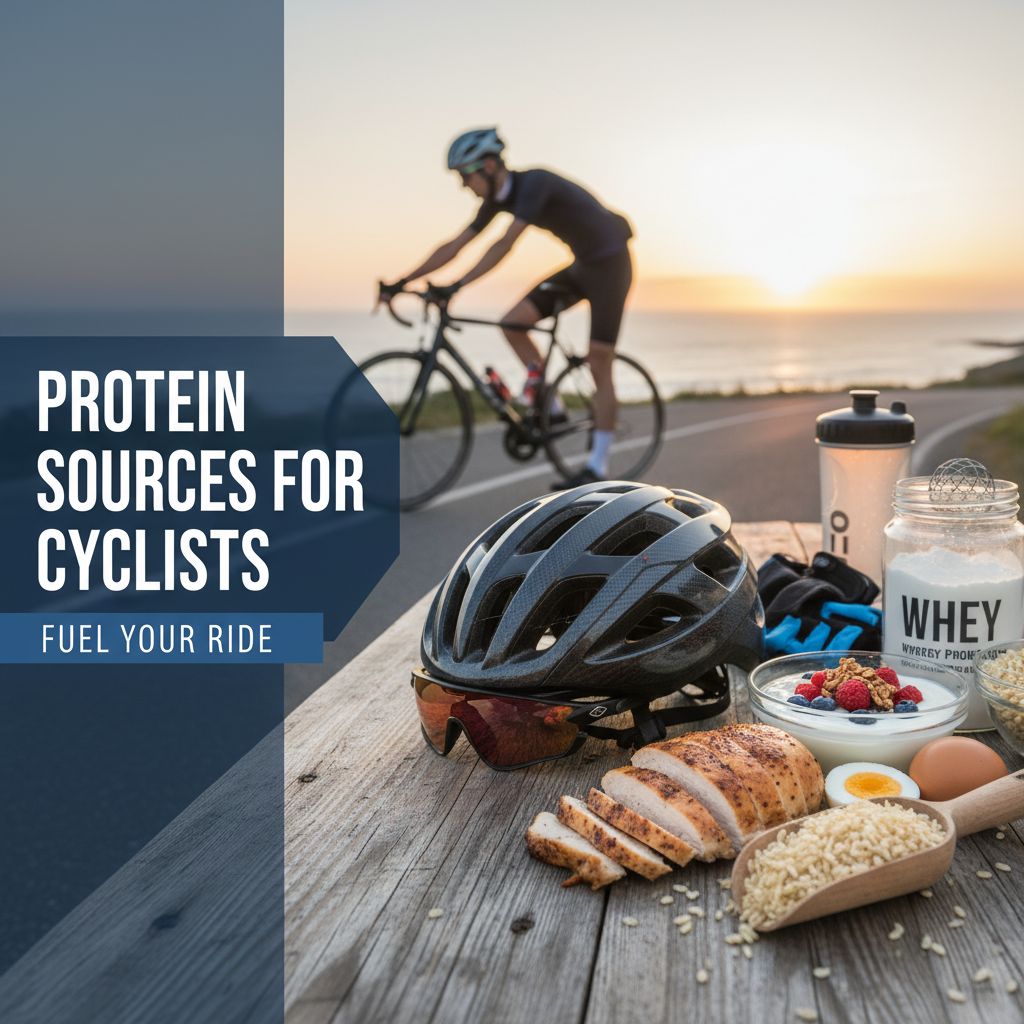
Whey protein digests fast, making it ideal right after a ride when your muscles are most receptive. A shake with 20-25g of whey within 30-60 minutes of finishing helps kickstart recovery.
Plant proteins work fine if you prefer them. Soy and pea protein both contain all essential amino acids.
Real food is underrated. Chicken, fish, eggs, Greek yogurt, cottage cheese, legumes – all solid protein sources. A shake is convenient post-ride, but you don’t need supplements if your diet covers it.
The Carb-Protein Combo
Post-ride nutrition works best when you combine protein with carbohydrates. A 3:1 or 4:1 ratio of carbs to protein restores glycogen and repairs muscle simultaneously.
Chocolate milk became famous for this because it accidentally hits roughly the right ratio and tastes good when you’re tired. It’s not magic – any combination of carbs and protein works similarly.
Skip the Overthinking
That’s what makes recovery nutrition endearing to us practical cyclists—protein supplementation doesn’t need to be complicated. The basics: get enough total protein daily (1.2-1.6g/kg), have some after hard efforts, spread it throughout the day. Just eat enough protein, recover properly, and ride your bike. The rest is marketing.



Leave a Reply