Cycling nutrition has evolved with all the conflicting advice flying around online. As someone who has been riding competitively for eight years and bonked on enough rides to know better, I worked through the fundamentals of fueling properly on the bike. Today, I will share it all with you.
Whether you’re racing crits, grinding out centuries, or just commuting across town, what you eat matters more than most riders realize. I used to think I could just wing it — grab whatever and go ride. That worked until it didn’t, and “didn’t” meant hitting the wall 60 miles into a group ride with nothing left in the tank. Not fun.
What to Eat Before You Ride
Probably should have led with this part honestly. Pre-ride fueling sets the tone for everything that follows. The goal is topping up your glycogen stores — that’s basically the gas in your muscles’ tank.
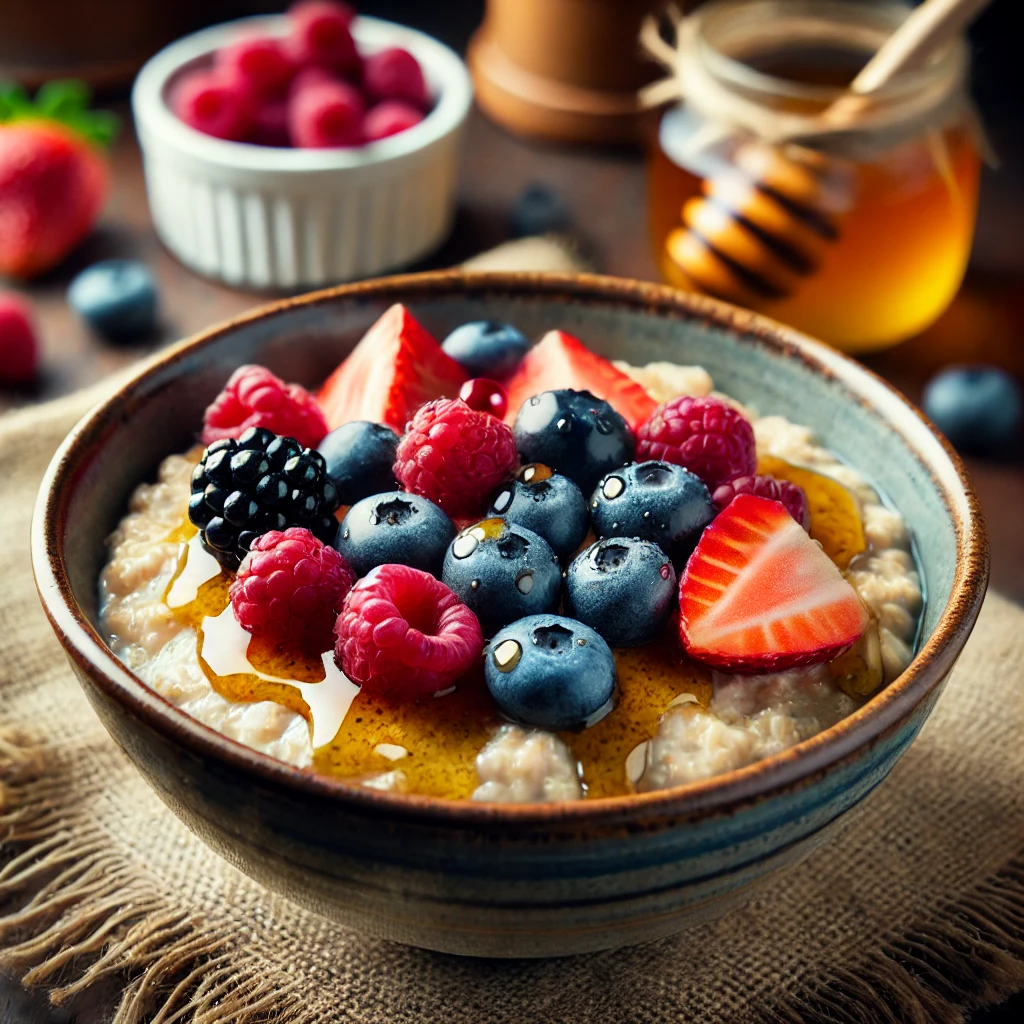
I eat about 2-3 hours before a ride. Usually oatmeal with banana, or whole grain toast with peanut butter and a couple eggs. Nothing fancy. The key is complex carbs that don’t sit like a brick in your stomach. I made the mistake once of eating a massive burrito 90 minutes before a race. Never again.
Add a moderate amount of protein — eggs, yogurt, whatever you like — to help sustain your energy. But keep the fat and fiber reasonable unless you enjoy stomach cramps at 20 mph.
Fueling During the Ride
For anything under an hour, you probably don’t need to eat on the bike. Water is fine. But once you’re past that hour mark, you need carbs coming in or you’ll fade hard.
The general target is 30-60 grams of carbs per hour. That’s roughly one gel or one banana every 30-45 minutes. I usually carry a mix of real food and gels — bananas or rice cakes for the first half of a ride, gels for when I need quick energy later.
That’s what makes on-bike nutrition endearing to us endurance riders — you get to eat while exercising, which honestly feels like cheating compared to other sports. Just don’t overdo it. Your stomach is bouncing around on the bike and can only process so much.
Hydration during the ride is huge. Plain water works for shorter efforts, but once you’re past 90 minutes or riding in heat, an electrolyte drink helps replace the sodium and potassium you’re sweating out. I drink about one bottle per hour and adjust up in summer.
Recovery Eating After the Ride
Recovery starts the second you unclip. The first 30 minutes after a ride is when your muscles are most receptive to rebuilding glycogen stores and repairing tissue. I try to get carbs and protein in quickly — a smoothie works great because I’m usually too tired to cook.
The ratio most people recommend is about 3:1 or 4:1 carbs to protein. So a rice bowl with chicken, a sandwich with turkey, or a protein smoothie with fruit all work. I’m not super precise about it — I just make sure I’m eating something decent within that window rather than reaching for chips and calling it recovery nutrition.
And keep drinking water. You’re more dehydrated than you think, especially after summer rides.
Hydration Deserves Its Own Section
I can’t stress this enough — dehydration wrecks performance faster than almost anything else. Even mild dehydration tanks your power output and makes everything feel harder. I’ve done rides where I forgot to fill my second bottle and the last hour was absolute misery.
Start your ride hydrated. Drink consistently during. Keep drinking after. One bottle (about 500ml) per hour is a decent baseline for moderate riding, but bump that up when it’s hot or you’re really pushing it. Weigh yourself before and after a ride sometime — the difference is almost entirely water loss, and it’s usually more than you’d guess.
Different Riding, Different Needs
Road cyclists doing big events need serious carb loading in the days before and consistent intake during. Mountain bikers and cyclocross riders — where efforts are shorter but more intense — might focus more on quick energy and solid recovery meals. And if you’re just commuting or doing casual rides, an overall balanced diet covers you without overthinking it.
I’ve done all three types of riding and the nutrition approach really does shift. My commuting days don’t require any special fueling. My century rides require a plan or I’ll bonk at mile 70 like clockwork.
A Word on Supplements
Real food first, always. But gels and electrolyte mixes exist for a reason — they’re convenient when you’re 4 hours into a ride and can’t exactly pull out a cutting board. Caffeine gels before a hard effort or race can give you a legitimate boost, but test everything in training first. Race day is not the time to discover that a particular gel brand gives you stomach issues. Learned that one the hard way at a gran fondo.
The Bottom Line
Good cycling nutrition isn’t rocket science — it’s just planning ahead and paying attention to what your body tells you. Eat before, fuel during, recover after, and drink more water than you think you need. The specifics will vary based on your body, your riding style, and the conditions, but those fundamentals cover about 90% of what matters.
Start simple, experiment on training rides, and figure out what works for you personally. My go-to foods might make you nauseous, and vice versa. The best nutrition plan is one you’ll actually follow consistently.


Leave a Reply