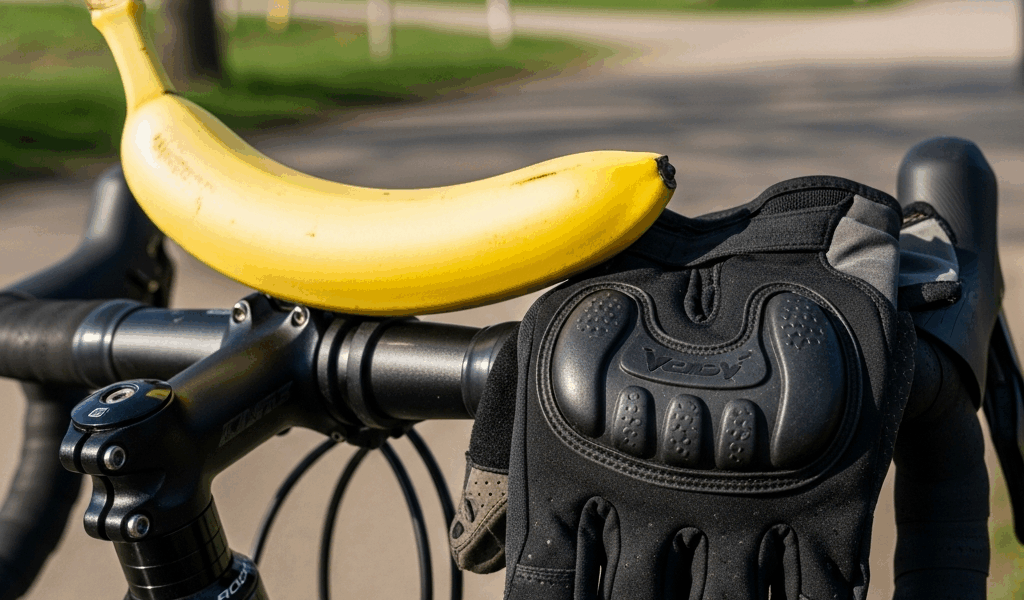
You just grabbed a banana at a rest stop during a group ride and someone asked if bananas are actually good for cycling or just a tradition nobody questioned. Fair question. Bananas have been the default cycling snack since before energy gels existed — but is that because they’re genuinely useful, or just because they’re cheap and don’t require unwrapping?
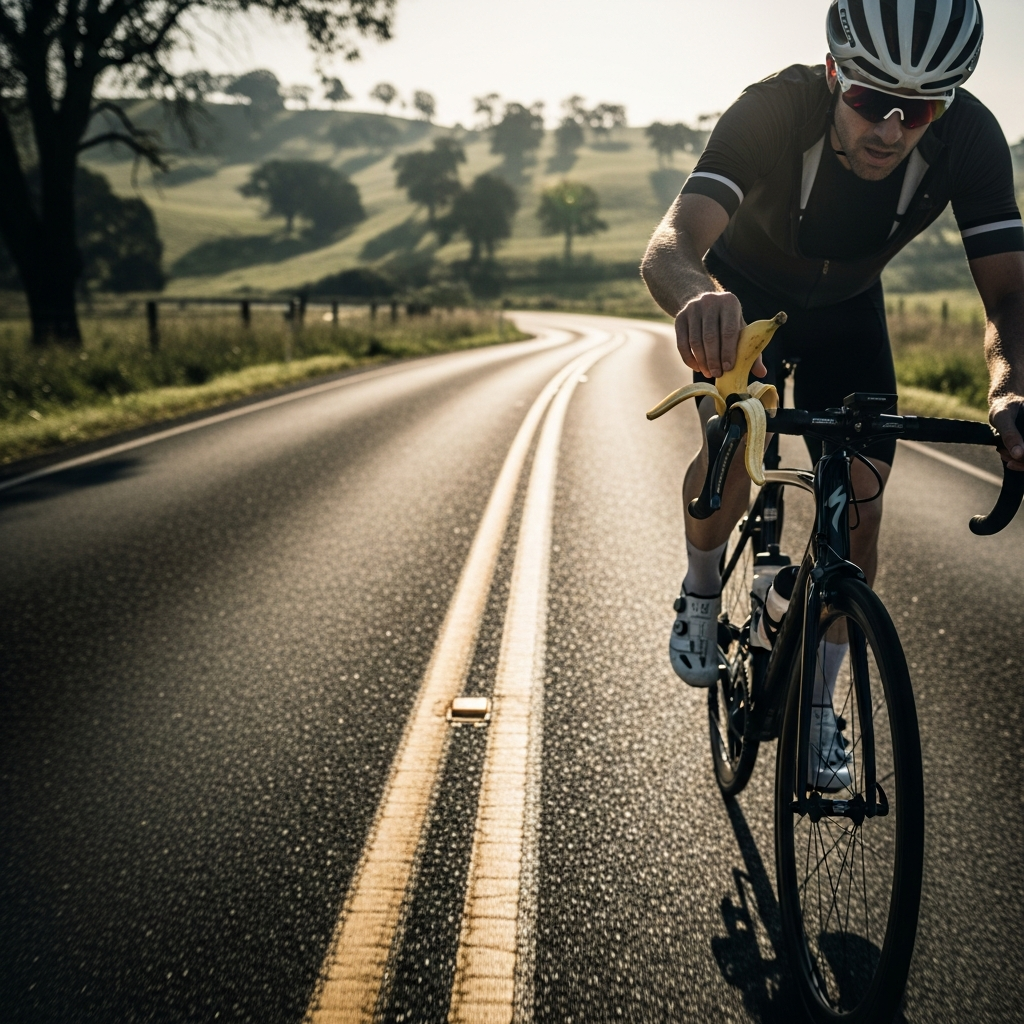
Turns out the nutrition research has specific things to say about bananas and endurance performance. Here’s what actually holds up.
The Nutritional Profile: What a Banana Delivers
One medium banana (about 120 grams) contains roughly 27 grams of carbohydrates, 422 mg of potassium, 32 mg of magnesium, 14 grams of sugar, and 3 grams of fiber. It provides about 105 calories.
For a cyclist mid-ride, those carbohydrate numbers matter most. Endurance exercise demands 30-60 grams of carbohydrates per hour once you’re past the 90-minute mark. A single banana delivers roughly half of one hour’s minimum carb requirement — a meaningful contribution from a single food item.
The potassium is a bonus. You lose potassium through sweat, and while sodium is the more critical electrolyte during exercise, potassium supports muscle contraction. The 422 mg in a banana replaces a significant portion of what a moderate sweater loses per hour.
Banana vs Energy Gel: The Research Comparison
A study from Appalachian State University compared bananas to a 6% carbohydrate sports drink during 75 km cycling time trials. The result: bananas performed equally well as the sports drink for sustained performance, with similar blood glucose levels throughout the effort. The cyclists who ate bananas also showed lower markers of inflammation post-ride compared to the sports drink group.
In practical terms, a banana gives you the same performance benefit as a gel or sports drink during moderate-intensity riding. The carbohydrate delivery is comparable — your body breaks down the banana’s sugars (fructose, glucose, sucrose) into usable fuel at a rate similar to engineered sports nutrition products.
Where gels have an advantage: absorption speed. Energy gels are designed for rapid gastric emptying — they hit your bloodstream in 10-15 minutes. A banana takes 20-30 minutes to deliver the same carbohydrates because the fiber and solid structure slow digestion. During a race sprint or a hard 5-minute effort, that delay matters. During a steady group ride or century, it doesn’t.
When Bananas Work Best
Endurance rides at moderate intensity: Zone 2 and Zone 3 efforts — group rides, centuries, base training rides. Your stomach tolerates solid food well at these intensities, and the slower carb release from a banana provides sustained energy without the spike-and-crash of pure glucose gels.
Pre-ride fuel: A banana 30-60 minutes before a ride tops off glycogen without filling your stomach. The 27g of carbs is enough for a meaningful boost but not so much that it causes discomfort.
Rest stop refueling: During organized events with aid stations, bananas are the most consistently available food. They require no packaging, no mixing, and no utensils. This is probably why they became the default cycling snack — logistics, not marketing.
When Bananas Don’t Work
High-intensity racing: During efforts above Zone 4 — crits, time trials, short races — your stomach’s ability to process solid food drops significantly. Blood flow diverts from digestion to working muscles. A banana eaten during a crit will sit in your stomach and potentially cause nausea. Gels or liquid carbs are better choices when effort is near threshold or above.
Sole carb source for very long rides: A banana provides 27g of carbs. At 45-60g per hour for a 5-hour century, you’d need roughly 2 bananas per hour — 10 bananas total. That’s a lot of fiber and volume for a stomach under exercise stress. Most cyclists mix bananas with gels, bars, and sports drink to hit their hourly carb targets without overloading on any single food.
Hot weather: Bananas get soft, brown, and unappetizing in a jersey pocket on a 90-degree day. If your ride is in heat, gels and chews travel better. Pack the banana for the first hour and switch to shelf-stable options after that.
The Verdict
Bananas are genuinely good for cycling — not just by tradition but by nutritional profile and research data. They deliver carbohydrates at a rate comparable to sports nutrition products, add potassium and magnesium that gels don’t include, and cause less inflammation than processed alternatives.
Use them for moderate-intensity rides, pre-ride fueling, and as part of a mixed nutrition strategy on longer efforts. Don’t rely on them as your only fuel source for 5+ hour rides, and switch to gels or liquid carbs when intensity goes above threshold.
At roughly $0.25 each, bananas are also the cheapest performance nutrition available. The fact that they’ve been the default cycling snack for decades isn’t an accident — they work, they’re portable, and they cost less than a single energy gel. Sometimes the traditional choice is traditional for good reason.




Subscribe for Updates
Get the latest cycling nutrition hub updates delivered to your inbox.
We respect your privacy. Unsubscribe anytime.