
Why Peanut Butter Is Your Training Ally and Race-Day Enemy
Peanut butter nutrition for cyclists has evolved with all the competing advice flying around. As someone who smeared it on everything for years — toast before long rides, mixed into oatmeal, straight off the spoon as a pre-workout snack — I put in the hours studying when it helps and when it turns on you. Today, I’ll share exactly where the line is and how to stop getting that line wrong.
Peanut butter is not bad food. It’s actually excellent cycling food — in the right context. The problem is that most cyclists use it without understanding what it does inside your body, and that mismatch between when you eat it and what your body can actually do with it is where things go sideways.
Why PB Works on Long Training Rides
On a four-hour endurance ride at 60-70% of your max heart rate, your body is primarily burning fat for fuel. At that intensity, your digestive system stays relatively calm. Blood flow isn’t entirely redirected to your working muscles — there’s still enough going to your gut to handle the slow digestion that fat requires.
Peanut butter is about 50% fat by calories, 25% protein, and 20% carbohydrate. Two tablespoons gives you roughly 190 calories, which is dense fuel for long efforts. Fat takes longer to digest, but on a slow base ride that doesn’t matter. You’ve got hours. Your gut can work at a reasonable pace.
The calorie density is the real advantage. When you’re trying to eat enough on a five-hour ride without carrying a grocery bag, peanut butter delivers serious calories in a small package. A PB and honey sandwich in your jersey pocket is roughly 400-500 calories and takes up the same space as two gels.
Fat also blunts blood sugar spikes and extends the fuel window between eating. On long low-intensity efforts, that slow burn is a feature, not a bug.
The Problem at Race Intensity
At race pace — threshold efforts, sprint finishes, hard group ride surges — your body makes a critical choice: prioritize blood flow to working muscles or to the digestive system. There’s no compromise. Your muscles win.
When digestive blood flow drops sharply, fat digestion essentially stops. Any fat sitting in your stomach gets stuck in a queue. It slows gastric emptying, meaning everything you eat after it gets backed up too. You get that heavy, bloated feeling, and then often nausea or cramping as your gut protests the workload it’s been handed during an inopportune moment.
This is why high-fat foods and racing don’t mix. It’s not that peanut butter is suddenly toxic — it’s that your digestive system literally cannot process it fast enough to clear the way for the carbohydrates your muscles actually need.
The Timing Cutoff Window
Probably should have led with this topic, to be honest. If you’re going to eat peanut butter before a race or hard effort, the general guideline is four to five hours minimum before the start. That’s enough time for fat to move through your stomach and into the small intestine, clearing the way for faster-burning foods closer to race time.
In practice, I stop eating anything with significant fat content the morning before an afternoon race. If the race is at 10 AM, I’m not eating peanut butter at dinner the night before — I’m having pasta or rice with lean protein. By race morning I’m eating white rice, banana, and maybe a small amount of honey in the final 60-90 minutes.
The closer you get to race start, the more you want pure carbohydrates with minimal fat and fiber. That’s what your body can actually use.
Race-Day Alternatives That Actually Work
Replace the peanut butter slot with foods that digest quickly and deliver carbohydrates cleanly:
White rice with salt and a little honey — This is what many professional cyclists eat before events. Easy to digest, steady glucose delivery, no fat slowdown.
Bananas — Simple sugars plus potassium. The slight fiber content is well-tolerated by most riders, and bananas are gentle on the stomach even when you’re nervous before a race.
White toast with honey or jam — Not exciting, but effective. Fast carbohydrates, minimal fat, easily digested.
Rice cakes — Homemade or commercial. Mostly starch with minimal fat. Easy on the stomach, portable for early race laps.
Commercial energy gels or chews — Engineered specifically for this purpose. Fast-absorbing carbohydrates with electrolytes. Not as satisfying as real food, but they work.
The Strategic Training Use
That’s what makes peanut butter endearing to us cyclists who’ve built it into long training blocks — it’s one of the few foods that actually tastes like food when you’re five hours in and completely over gels. Here’s where it earns its place in a serious cyclist’s nutrition plan: long training blocks and back-to-back ride days.
On a five-hour Saturday training ride, I’ll bring a peanut butter sandwich for the middle two hours. The fat keeps me fueled longer, reduces the number of gels I need to eat, and honestly tastes like actual food when you’re tired of sucking down sweet gels.
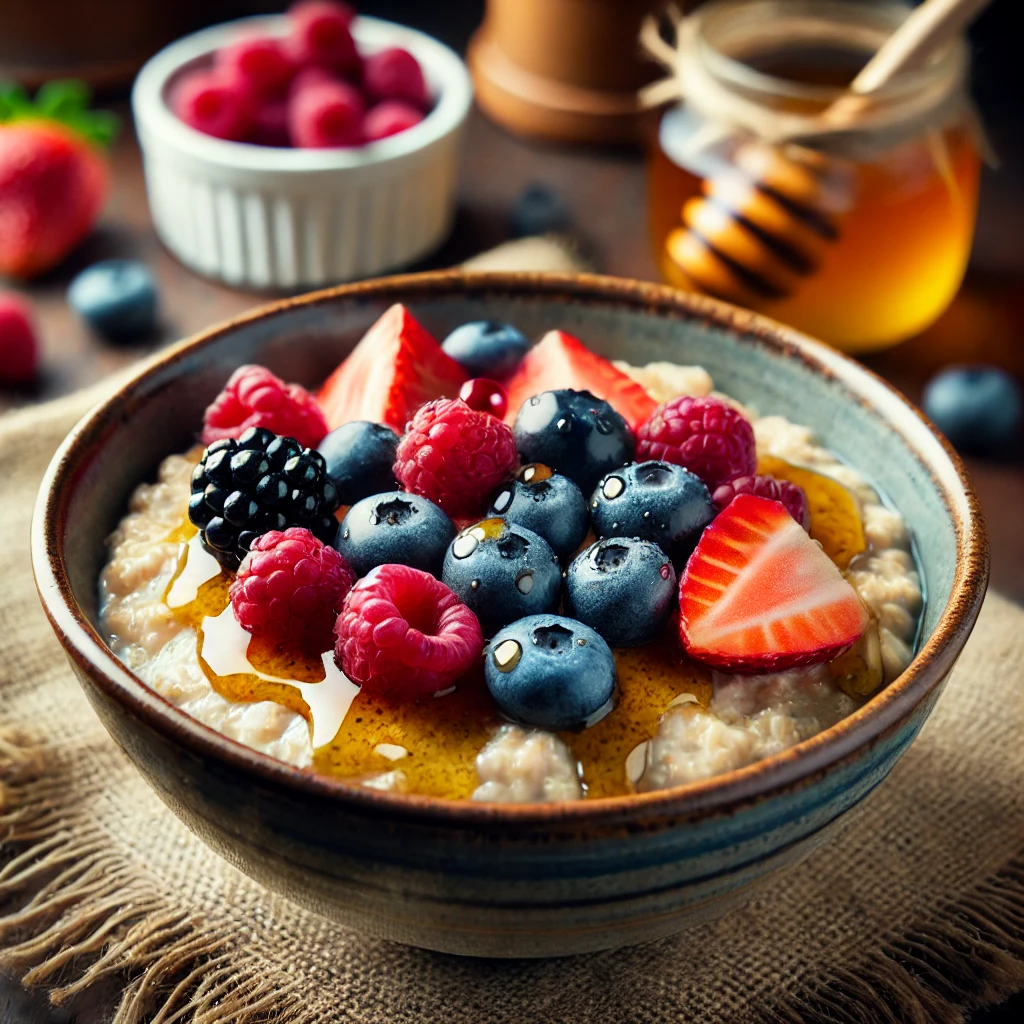
On Sunday morning after a hard Saturday, a big bowl of oatmeal with peanut butter before an easy two-hour recovery ride replenishes calories and provides the sustained energy you need without requiring precise race-day digestion performance.
Train with fat-adapted nutrition on easy days. Race and hit hard intervals with clean carbohydrates. Peanut butter is excellent food — it just needs the right context to do its job without creating problems.



Subscribe for Updates
Get the latest cycling nutrition hub updates delivered to your inbox.
We respect your privacy. Unsubscribe anytime.