
Gummy Bears as Cycling Fuel: The Honest Case
Mid-ride nutrition has become tricky with all the marketing claims flying around. As someone who laughed the first time a rider in my cycling group pulled out a bag of Haribo gummy bears at mile 40 — and then ate half that bag by mile 60 and felt genuinely good — I spent real time learning the ins and outs of what actually fuels you versus what just sells well. Today, I’ll share the real comparison between gummy bears and commercial gels, where candy holds up, and where it falls short.
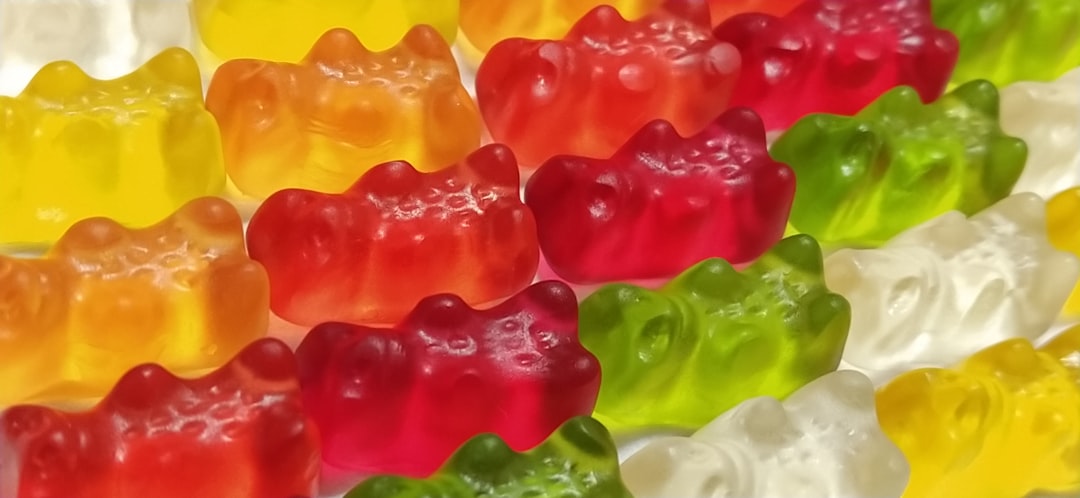
Gummy bears work. Not in a quirky, “look at this fun cycling hack” way. They actually work physiologically, and there are legitimate reasons experienced cyclists keep them in their jersey pockets. There are also real limitations. Here’s the honest breakdown.
The Nutritional Comparison to Commercial Gels
A standard Haribo gummy bear serving (about 17 bears, 43g) contains approximately 30 grams of carbohydrate. The primary ingredients are glucose syrup and dextrose — both fast-absorbing sugars that enter the bloodstream quickly and are readily available to working muscles.
Compare that to a typical commercial cycling gel: 21-25 grams of carbohydrate per packet, also primarily from fast-absorbing sugars (maltodextrin, glucose, sometimes fructose). Some gels use a glucose-fructose blend that allows for higher absorption rates (up to 90g/hour versus 60g/hour for glucose alone), which is a meaningful advantage for rides over three hours. But the core mechanism — fast carbohydrate delivery to fuel working muscles — is the same.
Dextrose, which is what gummy bears are mostly made of, is essentially glucose. It doesn’t need to be broken down further before absorption. It goes in, hits your bloodstream, and reaches your muscles fast. This is exactly what you need mid-ride when you’re depleting glycogen.
On a per-gram-of-carbohydrate basis, gummy bears do the same job as gels. The sports nutrition industry is not selling magic. They’re selling convenience and packaging around the same basic chemistry.
The Practical Advantages
Cost is the most obvious one. A 5-pound bag of Haribo gummy bears costs roughly $12-15 and contains enough carbohydrate for many rides. Commercial gels run $1.50 to $3.00 each, and you might use 4-6 of them on a long ride. The math is not subtle.
Availability is the second advantage. Every gas station, convenience store, pharmacy, and grocery store carries gummy bears. If you’re on a multi-day ride or an unfamiliar route and run out of nutrition, you can stop at a rural convenience store and solve your problem for $1.50. Try finding a specialty cycling gel in the same place.
Ease of eating is underrated. Gummy bears are individual units. You can eat four of them and stop, rather than committing to an entire gel. On a bumpy road, mid-climb, or in a paceline, eating a few gummy bears is easier to manage than tearing open a foil packet and squeezing it into your mouth without losing half of it.
Palatability matters after four hours on the bike. Sweet gel fatigue is real — the point where you gag slightly at the thought of another strawberry-banana synthetic packet. Gummy bears taste like candy because they are candy, and somehow that distinction helps late in long rides when your relationship with sugar has become complicated.
The Real Disadvantages
Probably should have led with this material, openly. No electrolytes. This is the significant gap between gummy bears and quality commercial gels. Most decent gels include sodium (and sometimes potassium and magnesium) to support hydration and muscle function. Gummy bears contain essentially zero electrolytes. If you’re sweating heavily, relying only on gummy bears for nutrition means you need a separate electrolyte strategy — salt capsules, electrolyte drink mix, or electrolyte chews.
Heat is a real problem. Gummy bears melt and fuse together into a formless sticky mass when it’s warm. In a jersey pocket on a hot day, you end up with what can only be described as a gummy bear brick. It’s still edible — you just tear off pieces — but it’s not pleasant.
Sticky hands transfer to everything. Brake levers, handlebars, your sunglasses when you adjust them. It’s a minor annoyance but worth knowing.
No glucose-fructose blend. High-performance gels that combine maltodextrin or glucose with fructose allow your gut to absorb carbohydrates via two separate pathways, increasing the ceiling from around 60g/hour to 90g/hour. For efforts over three hours where you’re trying to maximize fuel intake, this matters. Gummy bears are purely glucose and won’t hit that higher absorption ceiling.
How to Use Them Effectively
That’s what makes gummy bears endearing to us cyclists who’ve been around long enough to stop caring what our nutrition looks like — they solve a real problem without requiring a trip to a specialty store or a $3 foil packet. Target 30-60 grams of carbohydrate per hour depending on ride intensity and duration. That’s roughly 17-35 gummy bears per hour — about one small handful every 20-30 minutes.
Always pair them with an electrolyte source. Either carry salt capsules or use an electrolyte powder in your bottles. Don’t use gummy bears as your complete nutrition strategy without addressing the electrolyte gap.
For rides under two hours at moderate intensity, gummy bears are perfectly adequate as a standalone carbohydrate source. For longer, harder efforts, consider mixing: use gummy bears for straightforward carbohydrate delivery, and supplement with gels or chews that contain electrolytes and a glucose-fructose blend.
Pack them in a small resealable bag inside a jersey pocket. In summer, keep them somewhere shaded or just accept the gummy brick fate and tear off pieces.
Brands worth using: Haribo Gold-Bears are the standard. Black Forest gummy bears are widely available and work fine. The store-brand version from most grocery chains is functionally identical. There’s no meaningful performance difference between them — they’re all mostly glucose syrup and gelatin.
They’re not glamorous. They don’t come in a foil packet with a sports brand logo and an athlete endorsement. But if you’re mid-ride, your gel supply is gone, and there’s a gas station ahead, you can walk out with a bag of gummy bears and solve your problem. That counts for something.



Subscribe for Updates
Get the latest cycling nutrition hub updates delivered to your inbox.
We respect your privacy. Unsubscribe anytime.