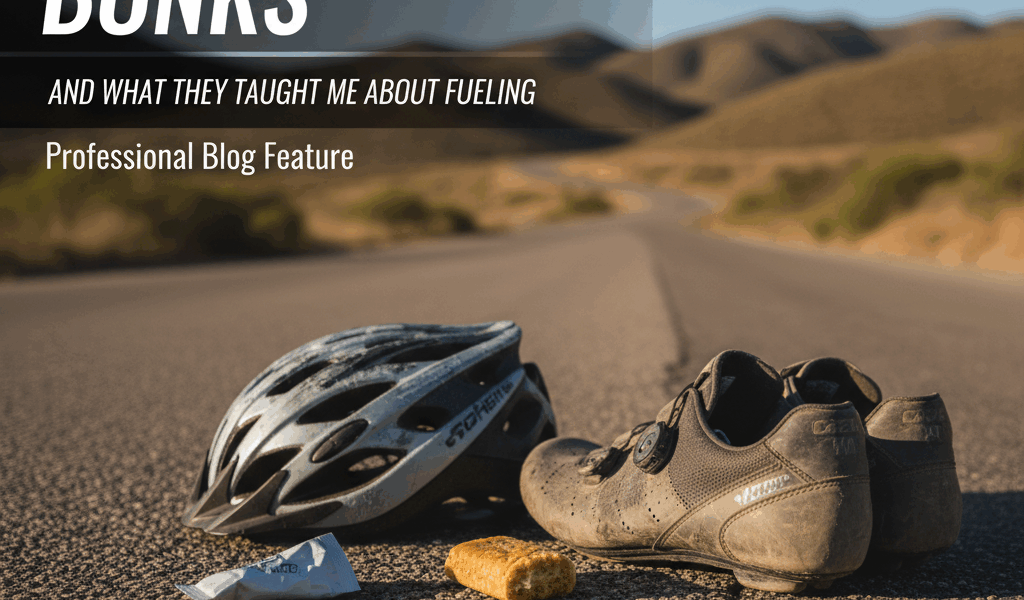
Every Bonk I’ve Ever Had and What They Taught Me
Bonking has gotten messy with all the nutrition science flying around, but the experience itself is simple: your tank hits empty and your body quits on you. As someone who’s learned this lesson the hard way—multiple times—I dug into the practical details of running out of fuel at the worst moments. Today, I will share it all with you.
The Century Collapse (Mile 65)
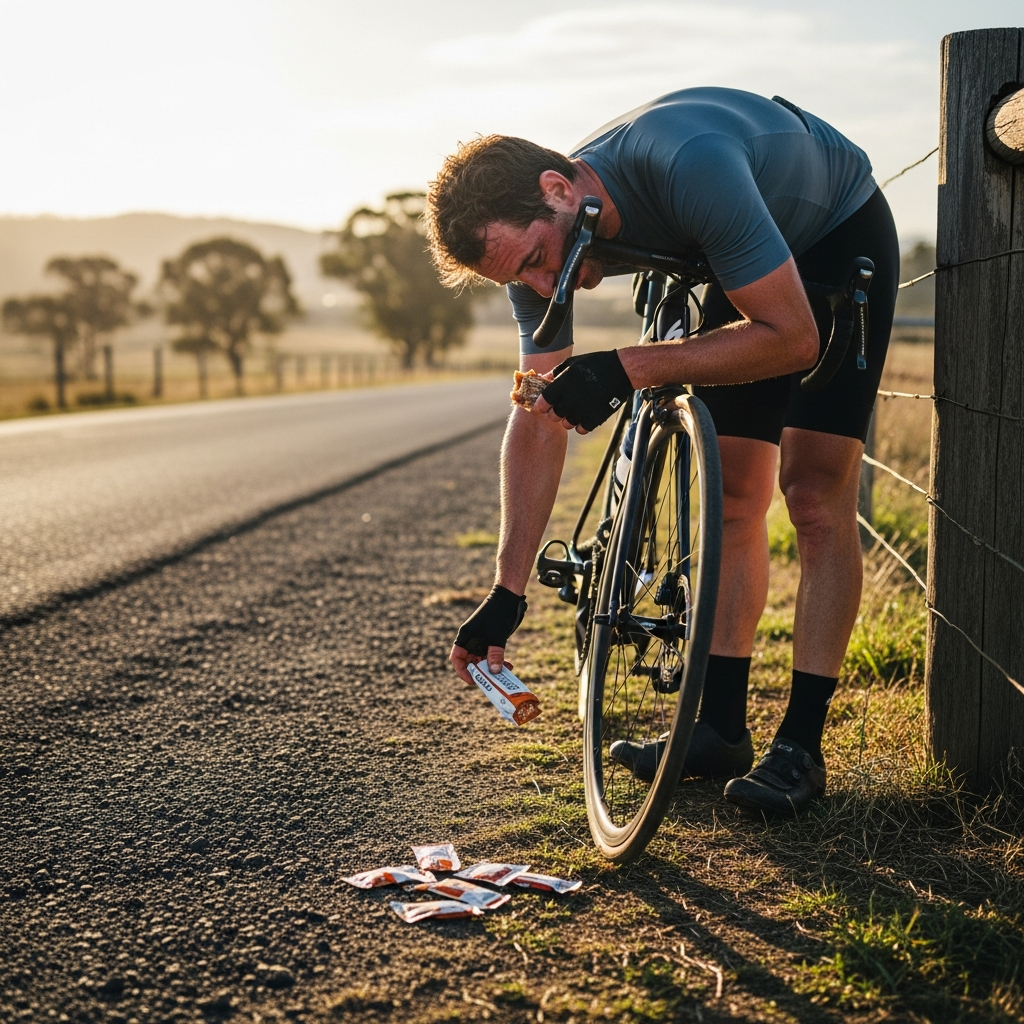
My first real bonk. First century attempt. I thought I was doing everything right—two gels per hour, water in both bottles, feeling strong. Then the lights just went out. One minute riding fine, the next minute barely able to turn the pedals.
That’s what makes bonking so brutal—it’s not gradual. It’s a cliff edge.
My mistake: Started too fast, burned through glycogen faster than I was replacing it. The lesson that stuck: pace the first third conservatively, especially on distances you haven’t done before.
The 90-Minute Miscalculation
Third lap of a circuit race. “90 minutes doesn’t need food,” I told myself. Just water. By the final climb my legs were gone. Three riders I’d been dropping easily just rode away from me.
Even sub-2-hour races need something if you’re pushing hard. I now take a gel 20 minutes before the finish of short races. The difference was immediate once I started doing this.
The Heat Disaster
Summer group ride, 95 degrees. Drank constantly but ignored electrolytes. Cramped so badly at mile 40 I had to stop and stretch for 15 minutes. Started again, cramped a mile later.
Probably should have led with this material, openly. Heat demands sodium, not just water. I added salt tablets to my hot weather kit and never had that problem again.
The Night Ride Meltdown
Eight hours into a 12-hour event. Been eating fine all day, then my stomach decided it was done. Nothing would stay down. The final four hours were survival mode on water only.
GI issues at night are common—your digestive system slows when it’s dark and you’re exhausted. I learned to switch to simpler foods and smaller portions after sunset.
The Overfeeding Disaster
Trying to prevent a bonk, I overcorrected on a long climb. Gel every 15 minutes plus sports drink. Sloshing stomach, nausea, then had to stop and walk because I felt so sick.
More food isn’t always better. Your gut has a maximum processing rate. Exceed it and you create problems worse than undereating.
The Caffeine Crash
Four caffeinated gels in the first two hours of a race because I wanted that edge. Felt amazing initially. By hour four, the jitters turned to complete collapse when the caffeine wore off.
Caffeine needs strategy. Save it for when you actually need it. Don’t stack doses too close together.
The Dehydration Spiral
Tried to be tough on a mountain ride. Rationed water because the next refill was 30 miles away. Got so dehydrated that I couldn’t eat—food just made me more nauseous. Classic downward spiral into bonk territory.
Dehydration prevents digestion. If you can’t drink, you probably can’t eat either. Hydration comes first, always.
The Gas Station Burrito
Grabbed a breakfast burrito at a convenience store during a long ride. Big, filling, seemed perfect for the next 50 miles. Two hours later, camping in a ditch with stomach cramps while my friends waited impatiently.
Fat and fiber mid-ride are asking for trouble. I stick to simple carbs now and save real food for after.
The Incomplete Recovery
Back-to-back long days during a cycling trip. Ate dinner but skipped breakfast before day two. Bonked 30 miles in with 70 miles still to go.
Recovery nutrition sets up the next day’s performance. Skipping meals, especially breakfast before a long ride, guarantees problems.
The Perfect Storm
Wrong breakfast, dropped my bottles in the first mile, gels left at home in my other bag. A perfect storm of mistakes that ended with me calling for a ride from a convenience store parking lot.
Systems prevent failures. I now have checklists, backup food in every bag, and a routine I follow without thinking.
What Changed
Eat before hungry. Drink before thirsty. Start conservative on new distances. Test everything in training. Pack backups for the backups. Trust the process even when feeling invincible.
Bonking is optional if you respect what your body needs. Every one of those disasters taught me something. I haven’t had a severe bonk in years—not because I’m special, but because I learned from every mistake and built systems to prevent them.

Subscribe for Updates
Get the latest cycling nutrition hub updates delivered to your inbox.
We respect your privacy. Unsubscribe anytime.