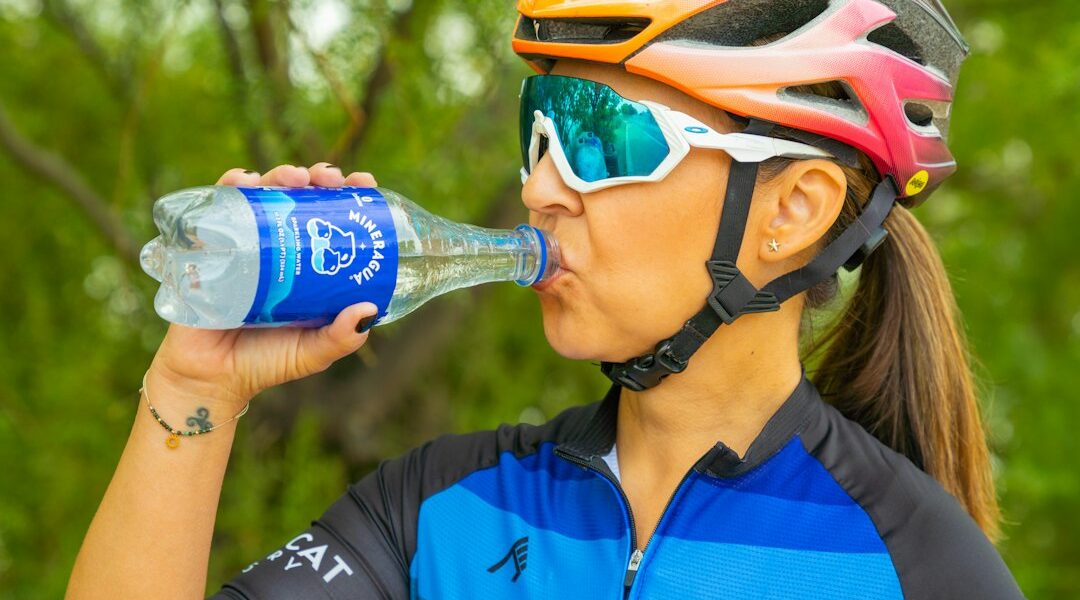
Race week nutrition advice has turned into a moving target with all the conflicting information flying around. As someone who’s raced everything from criteriums to stage races for ten years, I worked through the fundamentals of what genuinely moves the needle versus what’s just noise. Today, I’ll share what actually works.
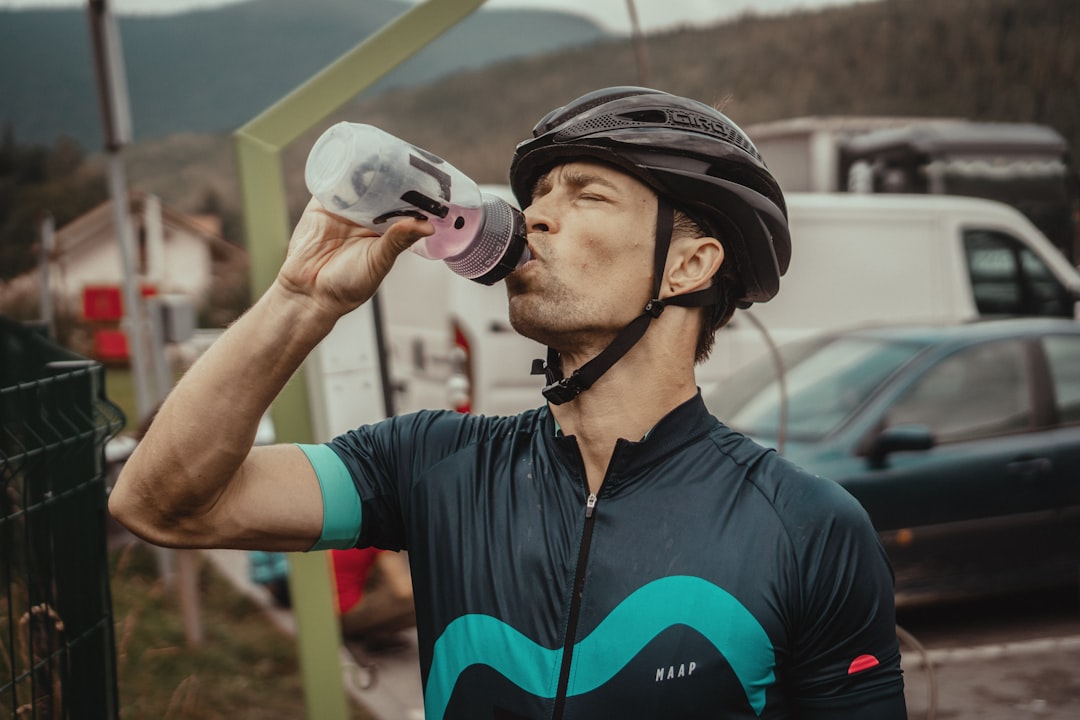
Carb Loading Is Real But Misunderstood
Probably should have led with this part honestly. You don’t need to eat pasta until you burst. Proper carb loading means increasing carbohydrate percentage of your diet while keeping total calories similar. Swap some protein and fat for more carbs. Your muscles store extra glycogen without the bloating that comes from simply overeating.
Two to three days of elevated carbs is plenty. Starting a week out just makes you feel sluggish and puffy with no additional benefit.
The Water Weight Trick
Every gram of glycogen stores with 3 grams of water. Proper carb loading adds 2-4 pounds of scale weight. This isn’t fat — it’s race fuel plus the water to use it. The weight comes off during the race anyway.
If you feel heavy on race morning, you probably loaded correctly. That weight becomes energy when you need it.
What I Actually Eat Monday Through Thursday
Normal eating with slightly reduced training load. Nothing special. Whatever I typically eat during the season. Big changes stress my system more than they help.
I focus on sleep and hydration more than food tweaks. Consistently sleeping 8 hours does more than any supplement or special meal.
Friday and Saturday for a Sunday Race
This is when carb emphasis starts. Breakfast adds an extra serving of oats or toast. Lunch includes more rice or pasta than usual. Dinner features a larger portion of carbs, normal portion of protein, reduced fat.
I keep fiber moderate. Enough for normal digestion, not so much that I feel heavy. White rice instead of brown. Regular pasta instead of whole wheat. My gut thanks me on race day.
The Night Before
Familiar meal. Whatever has worked before. This isn’t the time for the restaurant special or anything adventurous. I’ve eaten the same pre-race dinner for years now: grilled chicken, white rice, small salad, and a roll.
Eat early enough to digest fully before bed. Around 6pm works for me. Going to sleep on a full stomach hurts sleep quality and I feel it the next morning.
Race Morning by the Clock
Three hours before start: main meal. Plain bagel with honey, banana, small glass of juice. Around 400-500 calories, almost all carbohydrates. Minimal fiber, minimal fat, minimal protein.
Two hours before: stop eating solid food. Just sipping water or dilute sports drink from here.
Thirty minutes before: half a gel if my stomach feels empty. Sometimes nothing. Depends on how the morning feels.
Five minutes before: full gel with water. This tops off blood glucose right as the race starts.
Caffeine Timing for Races
I stopped drinking coffee in race week. Sounds extreme but caffeine works better when you’re not habituated to it. Three to five days without caffeine makes race-day caffeine hit harder.
Race morning: 200mg caffeine with breakfast, usually from a pill for precise dosing. Another 50-100mg from gels during the race if needed.
Hydration Leading Into the Race
The pee test matters. Clear to light yellow means you’re hydrated. Dark yellow means drink more. I check every time I use the bathroom during race week.
Avoid overhydrating the morning of. Sip, don’t gulp. Too much fluid dilutes your electrolytes and sends you to the bathroom at the worst times. A water bottle in the two hours before start is plenty.
What Not to Do Race Week
Everyone focuses on the things to add during race week — extra carbohydrates, better sleep, reduced intensity. The list of things to remove is shorter and more important, because one bad decision during race week can undo months of preparation in a single evening.
New foods are the obvious one, but cyclists keep making this mistake. Race week is not the time to try the restaurant everyone on the team is excited about, the new pre-workout supplement, the unfamiliar energy bar in your drop bag. Your gut is already under some stress from travel, schedule disruption, and pre-race anxiety. Novel foods add GI lottery tickets to a week when you cannot afford to lose.
Alcohol is more damaging to race performance than most cyclists want to acknowledge. Even moderate drinking in the three or four days before a key event disrupts sleep architecture, elevates resting heart rate, impairs glycogen synthesis, and increases systemic inflammation. Two drinks the night before a race can cost you two to three percent in output. I’m not saying never drink, I’m saying know what you’re trading away when you do it race week.
Skipping meals or under-eating in a misguided attempt to reduce body weight during the final week is actively destructive. Some athletes do this instinctively during a taper when training volume drops and appetite sometimes decreases with it. Carbohydrate loading cannot happen if you are not eating. Your liver and muscle glycogen stores fill in response to carbohydrate intake, not carbohydrate intent. Eat the food.
The other category is panic changes to training. A hard effort two days before a race because you felt flat on an easy ride, or an extra long ride because you felt good, both compromise your freshness without adding any fitness. The training that will determine your race performance is already done. Race week training is maintenance, not improvement.
Mid-Race Nutrition: Schedule vs. Feel
This is where races are won and lost more often than in the legs. That’s what makes the scheduled fueling approach endearing to us competitive cyclists — once you stop eating on feel and start eating on a clock, your late-race performance becomes predictable in a way it never was when you were guessing.
You can have perfect pre-race nutrition, textbook carbohydrate loading, ideal sleep, and still blow it in the final 90 minutes because your mid-race fueling was reactive instead of planned.
Eating on feel during a race is almost always eating too little too late. The problem is that intensity suppresses hunger signals. At 85% of threshold, your body is pulling resources toward locomotion, not digestion and appetite signaling. You feel fine. You feel like you don’t need food yet. You are wrong.
The schedule approach means deciding before the race exactly when and what you will eat. Minute 20, gel. Minute 40, chews or solids. Minute 60, gel. You execute the plan regardless of whether you feel hungry. This requires practicing the schedule in training so it feels automatic under race stress.
The transition point where eating on a schedule matters most is around the 90-minute mark. Before 90 minutes, most cyclists have enough stored glycogen to sustain effort even with mediocre fueling. After 90 minutes, the race is running on what you put in during the race itself. If you’ve been waiting until you feel hungry, you’re already behind your target intake by the time your glycogen reserves start to matter.
Quantity matters as much as timing. The typical recommendation of 60-90 grams of carbohydrates per hour is right for most race intensities, but many cyclists significantly underestimate what they’re taking in. A standard gel is 20-25 grams. Getting to 60 grams per hour means three gels per hour, every hour. Most cyclists I’ve ridden with are taking one or two. They’re fueling for a training ride during a race.
The last thing about mid-race nutrition: practice executing your plan when you’re tired and under pressure. It’s easy to eat correctly at hour one. Hour three, when you’re suffering and reaching into a jersey pocket feels like a complicated task, is when people skip intakes. Train that too.



Subscribe for Updates
Get the latest cycling nutrition hub updates delivered to your inbox.
We respect your privacy. Unsubscribe anytime.