
Electrolyte Balance for Cyclists
Proper electrolyte balance determines performance and safety during cycling. Sodium, potassium, magnesium, and calcium regulate muscle contraction, nerve function, and hydration status. Imbalances cause cramping, fatigue, and potentially dangerous complications.
Understanding Key Electrolytes
Sodium is the primary electrolyte lost through sweat, with losses ranging from 400-2000mg per hour depending on individual sweat rate and temperature. Sodium maintains fluid balance and enables muscle contractions. Depletion causes hyponatremia – dangerous low blood sodium.
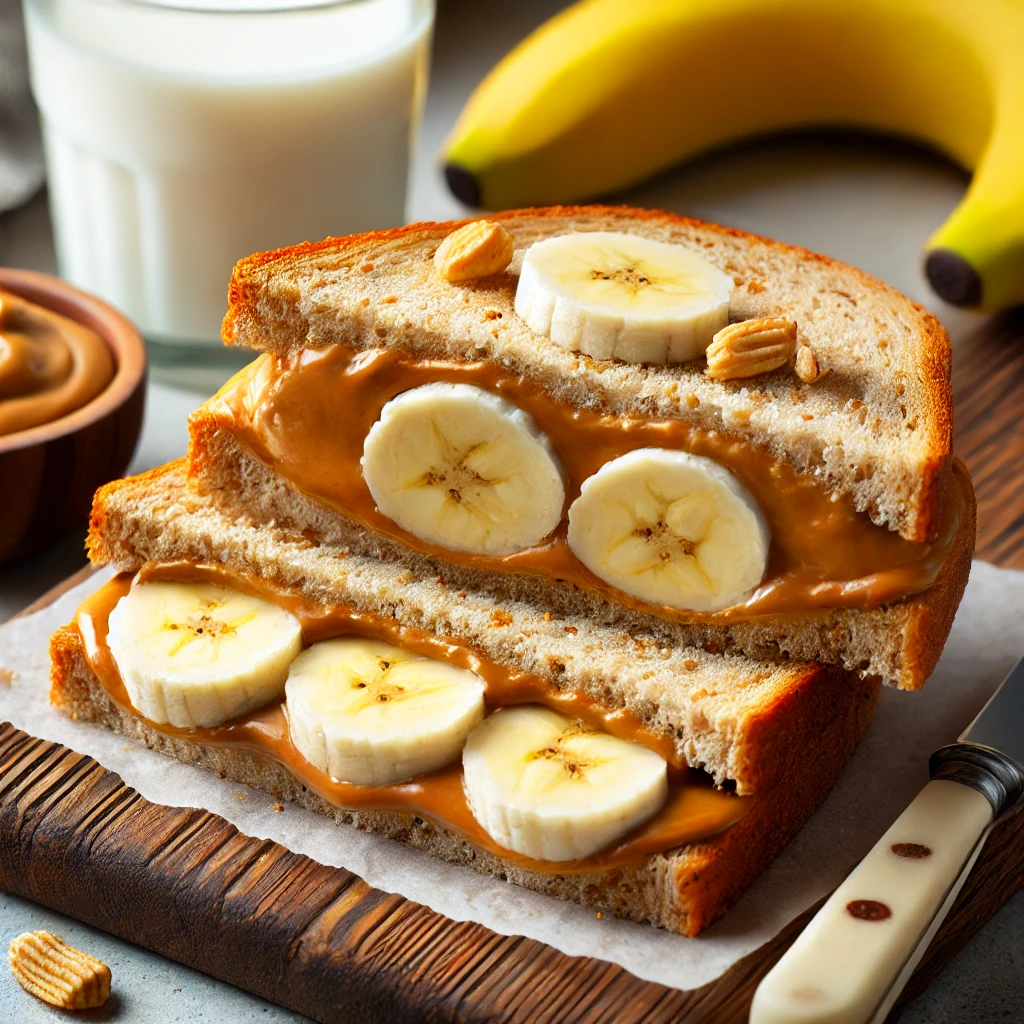
Potassium supports muscle function and prevents cramping. Most riders consume adequate potassium through diet (bananas, potatoes, coconut water) and don’t need supplementation during rides under 3 hours.
Magnesium aids energy production and muscle relaxation. Deficiency causes cramping and fatigue. Endurance athletes often run low on magnesium through sweat losses and increased metabolic demands.
Sweat Rate and Individual Needs
Individual sodium losses vary dramatically – some riders lose 400mg per liter of sweat while heavy sweaters lose 1500mg+. White salt stains on clothing and skin indicate high sodium losses requiring supplementation.
Determine your sweat rate by weighing yourself before and after a 1-hour ride. Each pound lost equals 16 ounces of fluid. Multiply by ride duration to calculate total sweat volume, then estimate electrolyte replacement needs.
During-Ride Electrolyte Strategy
For rides under 90 minutes in moderate weather, plain water suffices for most riders. Your body’s reserves handle short duration efforts without external electrolytes.
Rides exceeding 2 hours or intense heat require electrolyte drinks. Aim for 300-700mg sodium per liter of fluid consumed. Sports drinks provide this amount, or add electrolyte tablets to water.
Heavy sweaters and hot weather riders need supplemental salt tablets providing 200-400mg sodium per hour beyond what’s in drinks. This prevents the dilution of blood sodium from drinking large volumes of low-sodium fluids.
Signs of Electrolyte Imbalance
Muscle cramping often indicates sodium or magnesium depletion. However, cramps can also result from fatigue, dehydration, or overexertion. If cramping occurs despite good hydration, increase sodium intake.
Headaches, nausea, and confusion may indicate hyponatremia – dangerously low blood sodium from drinking excessive plain water. This is rare but serious. Consuming salty foods or electrolyte drinks treats mild cases.
Extreme thirst with frequent urination suggests inadequate electrolytes in your drinks. Your body flushes out excess water when electrolyte concentration is too low. Add more sodium to drinks.
Post-Ride Electrolyte Replenishment
Recovery requires replacing all electrolytes lost through sweat. Drink 150% of weight lost during the ride over the next 2-4 hours. Include sodium in recovery drinks – chocolate milk, coconut water, or sports drinks work well.
Eat salty foods with your post-ride meal: pickles, pretzels, salted nuts. The sodium enhances fluid retention, accelerating rehydration compared to plain water.
Daily Electrolyte Management
Endurance athletes need more sodium than sedentary people. Don’t fear salt – low sodium diets impair performance in athletes training multiple hours daily. Consume salt liberally with meals during heavy training periods.
Consider magnesium supplementation (200-400mg daily) during intense training blocks. Many riders report reduced cramping and improved sleep quality with magnesium supplementation.
Track your intake for a few days to ensure adequate electrolytes. Chronically low sodium or magnesium undermines training adaptations and recovery.

Subscribe for Updates
Get the latest articles delivered to your inbox.
We respect your privacy. Unsubscribe anytime.