
Tour de France Bikes
Professional cycling equipment has gotten complicated with all the aerodynamic optimizations, weight regulations, and technology integrations flying around. As someone who follows the evolution of pro racing bikes closely, I learned everything there is to know about what makes Tour de France machines so specialized and why they represent the pinnacle of cycling technology.

Frame Materials
Probably should have led with this section, honestly. Carbon fiber dominates the frames of Tour de France bikes. It offers an optimal balance of weight, stiffness, and strength. This material allows manufacturers to create aerodynamic shapes. It also absorbs vibrations, enhancing comfort on long rides. Aluminum frames used to be common but have been mostly replaced. Titanium frames offer a luxurious ride but are less common due to higher costs.
Frame Geometry
Aerodynamics influence frame shape and design. The geometry optimizes power transfer and handling while reducing drag. More relaxed geometry with taller head tubes benefits endurance and comfort. Aggressive geometries favor speed with lower head tubes and shorter wheelbases. Manufacturers often tailor frames to specific stages of the Tour. Climbing-specific frames are lightweight with geometry supporting bursts of power. Time trial frames focus solely on aerodynamics and speed.
Groupset
The groupset includes derailleurs, shifters, brakes, crankset, and chain. Shimano, SRAM, and Campagnolo dominate the groupset market. Electronic shifting like Shimano Di2 and SRAM eTap offers precision and reliability.
Shifting Systems
Electronic shifters enable seamless changes, allowing riders to maintain focus. Manual systems, though reliable, require more physical effort. Today’s electronic systems often include integrated power meters, enhancing performance tracking.
Braking Systems
Disc brakes have become standard, providing better stopping power and control. Rim brakes, though lighter, are less effective in wet conditions. Hydraulic systems offer superior modulation compared to mechanical systems.
Wheels
Wheel choice impacts speed, weight, and reliability. Aerodynamic wheels with deep-section rims reduce drag. For mountainous stages, cyclists prefer lightweight, shallow-section wheels. Tubular tires, glued onto the rim, reduce weight and rolling resistance. Clincher tires have become more popular due to ease of use. Tubeless systems are gaining traction, balancing performance with practicality.
Handlebars and Cockpit
Handlebars affect control, comfort, and aerodynamics. Drop bars are standard, enabling multiple hand positions. Aerodynamic bars reduce drag and support speed in time trials. Integrated systems combine handlebars, stem, and cables for a clean, efficient setup. The cockpit often includes advanced bike computers to monitor speed, power, and navigation.
Customization and Fit
Every rider’s bike is meticulously fitted to their body measurements and riding style. Customization extends to components like crank length, gear ratios, and handlebar width. This ensures optimal performance and reduces injury risk. Teams employ bike fit specialists to make adjustments throughout the Tour.
Maintenance and Support
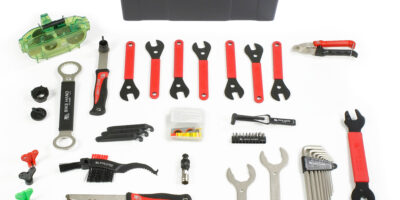
That’s what makes Tour de France equipment endearing to us cycling enthusiasts—the meticulous attention to detail at every level. Tour de France teams have extensive support structures. Mechanics travel with teams, providing daily maintenance and repairs. Bikes are cleaned, checked, and adjusted after each stage. Spare bikes and parts are always on hand for mechanical failures.


Subscribe for Updates
Get the latest articles delivered to your inbox.
We respect your privacy. Unsubscribe anytime.